Ovis Image: Precise Text-to-Image Generation Playground & API | RunComfy

aidc-ai/ovis-image

A powerful text-to-image model by AIDC-AI that delivers superior prompt adherence and realistic visual synthesis for professional content creation.

The number of inference steps to perform.
The guidance scale to use for the image generation.
The format of the generated image.
Idle
The rate is $0.012 per image.

Introduction to Ovis Image

Ovis Image by AIDC-AI is a cutting-edge text-to-image model designed to interpret complex prompts with exceptional semantic accuracy and generate high-fidelity visuals. Ideal for creators and teams seeking precise control over scene composition and lighting, this model excels at translating detailed textual descriptions into photorealistic imagery. For developers, Ovis Image on RunComfy can be used both in the browser and via an HTTP API, so you don’t need to host or scale the model yourself.

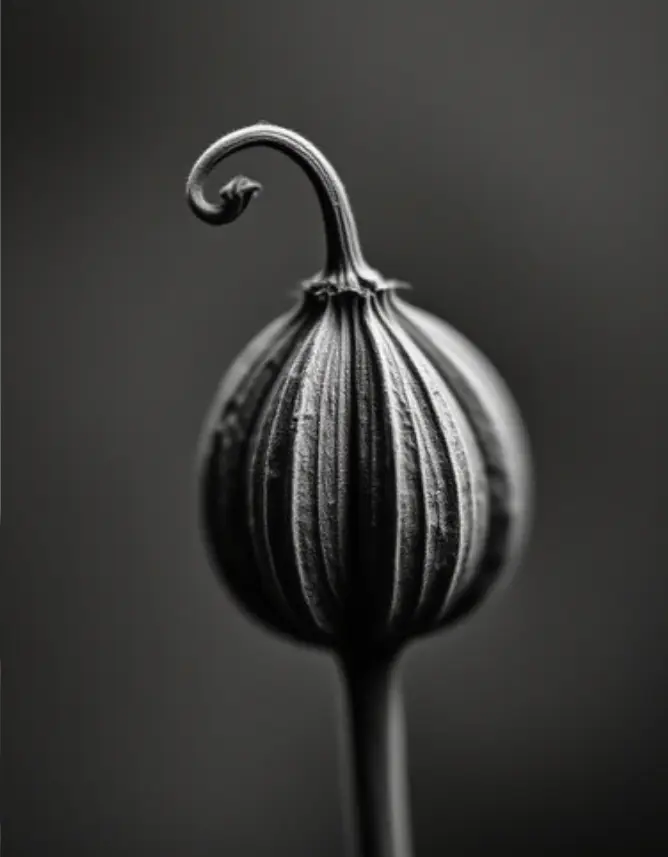
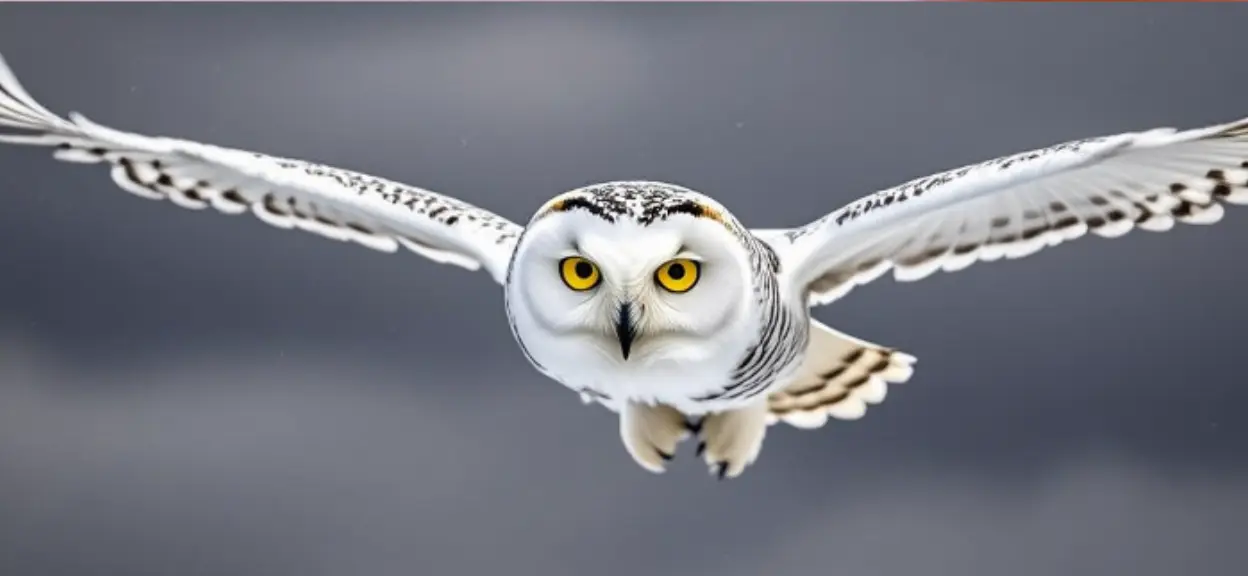
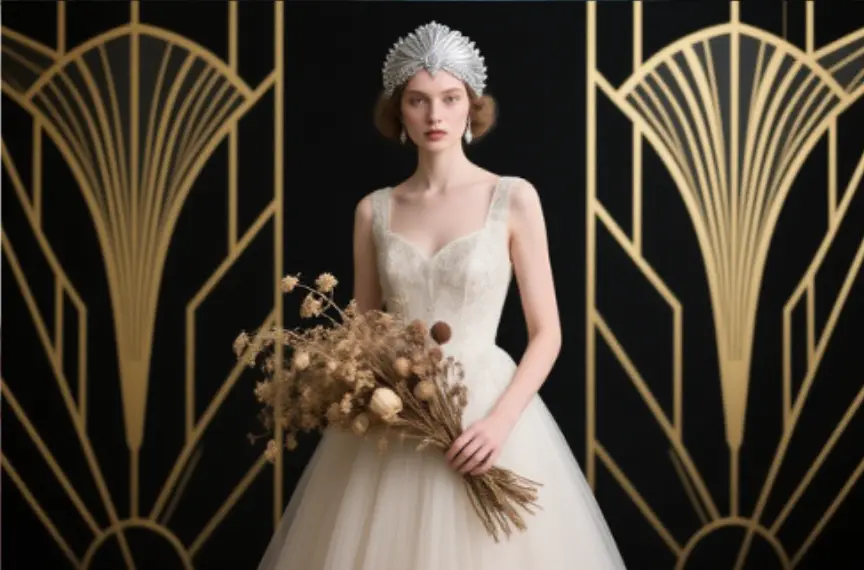
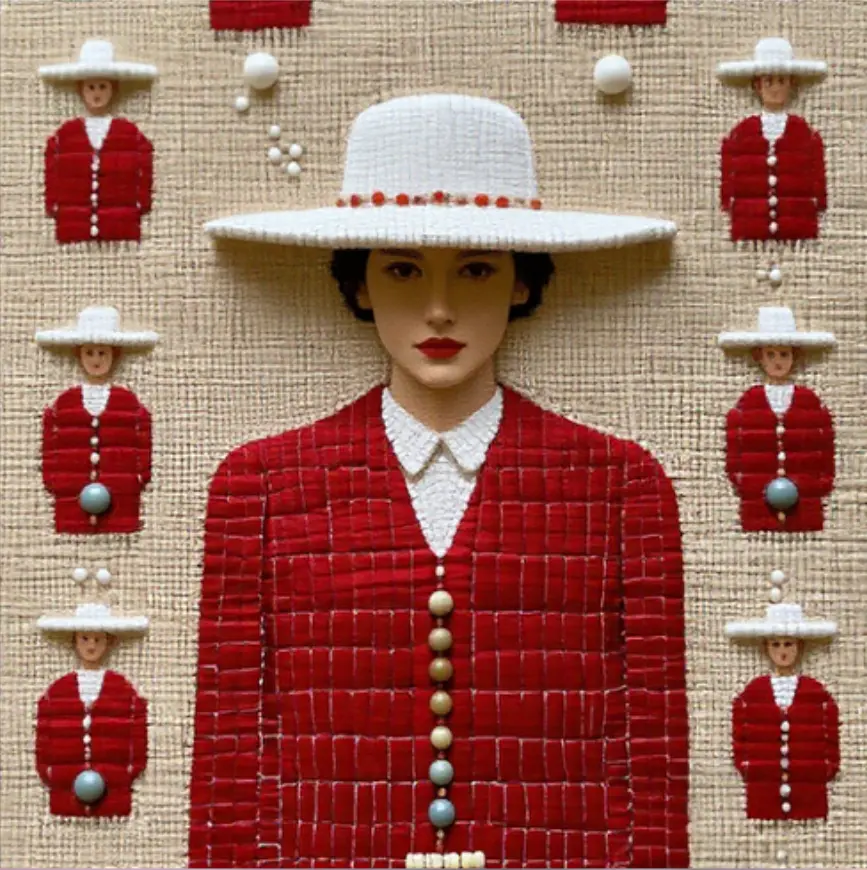
Examples of Visuals Created with Ovis Image

Model overview


Provider

AIDC-AI (Alibaba)


Task

Text-to-image generation


Architecture

Advanced multimodal architecture optimized for high-level semantic understanding and visual generation


Resolution

Supports multiple aspect ratios including Square HD, Portrait, and Landscape formats


Key strengths

  • Superior Prompt Adherence: Deep understanding of complex textual descriptions and spatial relationships.
  • Photorealistic Quality: Excellent handling of lighting, textures, and material properties.
  • Versatile Styles: Capable of generating everything from "gorpcore" photography to artistic illustrations.
  • Efficient Inference: Optimized for rapid generation without sacrificing image fidelity.

Ovis Image represents the latest advancements from AIDC-AI, leveraging deep visual-language alignment to ensure that the generated output strictly follows the user's intent. Unlike older diffusion models that may struggle with long prompts, Ovis Image maintains coherence across detailed scenarios.


How Ovis Image runs on RunComfy


On RunComfy, Ovis Image is hosted as a managed, scalable service exposed in three complementary ways:


Playground UI

Prompt, adjust parameters like guidance scale and steps, and run text-to-image jobs directly in your browser.

Ideal for testing prompt fidelity and exploring the capabilities of Ovis Image before integration.


Playground API

From the playground view, you can use the model as an API and call it from your own apps or services.

This provides a private, production-ready endpoint matching the configuration you tested.


In all cases, inference runs on RunComfy’s cloud GPUs—no local hardware, drivers, or downloads needed.


Input parameters


Ovis Image on RunComfy exposes a streamlined set of parameters designed for ease of use and consistent results.


Core text and guidance


When configuring the model, the most critical parameter is the prompt. Ovis Image is specifically designed to handle long, descriptive string inputs (such as specific camera angles, lighting, or outfit details) with high proficiency. Conversely, you can use the negative_prompt string to instruct Ovis Image on what to exclude, such as "blur," "low quality," or "distortion."


For processing control, Ovis Image utilizes num_inference_steps, which defines the number of denoising steps. While the default is 28, Ovis Image typically operates within a range of 20 to 50 steps; higher values increase detail but require more processing time. Furthermore, the guidance_scale (a float value defaulting to 5) dictates how strictly Ovis Image follows the text prompt. You can adjust this between 3.0 and 10.0, where higher values force Ovis Image to adhere closely to the text, while lower values allow for more creative interpretation.


Resolution and Configuration


To control the visual dimensions, Ovis Image uses the image_size parameter. This allows you to select from various enum options including square_hd, square, portrait_4_3, portrait_16_9, landscape_4_3, and landscape_16_9. By default, Ovis Image uses landscape_4_3.


For reproducibility, Ovis Image accepts a seed integer (from 0 to MAX). Setting a specific seed allows you to reproduce the exact same image in future runs. Finally, you can determine the file type using the output_format parameter. Ovis Image defaults to png, but also supports jpeg and webp formats.


Recommended settings


Photorealistic Photography

Use 28–35 steps and a Guidance Scale of 5–6. Ensure your prompt includes camera details (e.g., "iPhone photograph," "natural lighting") and specific textures to get the best results from Ovis Image.


Complex Scenes

If your prompt involves multiple subjects or specific spatial arrangements, increase the Guidance Scale to 7.0 to force Ovis Image to strictly adhere to the text description.


Speed Optimization

For rapid iteration with Ovis Image, reduce num_inference_steps to 20 and use jpeg output format to minimize latency and file size.


Output quality and performance


Ovis Image targets high-fidelity outputs suitable for commercial and creative use.


On RunComfy, expect:

  • Visual Fidelity: Sharp focus, realistic skin tones, and accurate material rendering (fabric, nature, metal).
  • Latency: Generation typically completes in seconds, optimized by RunComfy's high-availability GPU clusters.
  • Consistency: High reliability in reproducing styles across different seeds when the Ovis Image prompt remains constant.

For best stability:

  • Use the provided image_size presets (e.g., landscape_4_3) rather than custom pixel dimensions to ensure Ovis Image stays within its training distribution.
  • Utilize the negative_prompt to scrub generic digital artifacts.

Recommended use cases


Ovis Image excels at scenarios requiring high semantic understanding:


Lifestyle & Fashion

Generate "gorpcore" or streetwear imagery with specific clothing textures and outdoor backgrounds using Ovis Image.


Digital Marketing

Create unique assets for social media campaigns that require specific brand colors or moods described in text.


Storyboarding

Rapidly visualize scripts or concepts where specific actions and interactions are described in the prompt.


How Ovis Image compares to other models


Ovis Image vs SDXL / Flux

  • Ovis Image: Often demonstrates superior understanding of complex sentence structures due to AIDC-AI's multimodal training techniques.
  • Flux: Known for extreme typography generation; Ovis Image may offer a different aesthetic focused on natural scene composition.

Ovis Image on RunComfy vs Local Setups

  • Running Ovis Image locally requires significant VRAM and environment configuration.
  • RunComfy provides instant access via Playground and API, handling all dependencies and GPU scaling automatically.

Official resources and licensing


Official AIDC-AI Hugging Face

https://huggingface.co/AIDC-AI


Official GitHub

https://github.com/AIDC-AI/Ovis


License and commercial usage


Ovis Image models generally follow the licensing terms provided by AIDC-AI. Users should verify the specific model license on the official Hugging Face repository before engaging in large-scale commercial applications.


RunComfy facilitates the infrastructure to run these models but does not supersede the original Ovis Image licensing terms.

Related Playgrounds

Frequently Asked Questions

Is this the official Ovis Image model?

Yes. RunComfy integrates the official Ovis Image model architecture from AIDC-AI. We provide a managed environment that allows you to run Ovis Image without needing to configure local GPU hardware or handle complex environment dependencies.

Can I use Ovis Image on RunComfy for commercial projects?

Commercial usage depends on the specific license terms set by AIDC-AI for the Ovis Image model. While RunComfy provides the infrastructure to run the model, we do not grant commercial rights to the model weights themselves. Please consult the official AIDC-AI repository to verify if your intended commercial use of Ovis Image is permitted.

What is the expected performance and latency for Ovis Image?

Ovis Image is optimized for rapid inference on RunComfy’s cloud GPUs. Typically, generating a standard resolution image (e.g., landscape_4_3) takes only a few seconds. However, increasing the num_inference_steps beyond the default 28 or maximizing the guidance_scale may slightly increase the generation time for Ovis Image.

What resolution limits and aspect ratios does Ovis Image support?

Ovis Image is tuned for specific aspect ratios to ensure maximum visual coherence. On RunComfy, we support optimized presets including square_hd, portrait_16_9, and landscape_4_3. Adhering to these presets ensures Ovis Image delivers the best possible composition and texture details without the artifacts often seen in arbitrary resolutions.

How well does Ovis Image handle long or complex prompts?

Ovis Image is specifically designed for high semantic understanding. Unlike some older models that ignore parts of long descriptions, Ovis Image excels at adhering to detailed prompts that describe camera angles, lighting conditions, and specific subject attributes, making it ideal for professional creators requiring precision.

How do I move Ovis Image from the playground to a production API?

Transitioning Ovis Image to production is seamless. Once you have fine-tuned your parameters (like prompt, seed, and guidance_scale) in the playground, you can use the RunComfy API to programmatically call Ovis Image. The API accepts the exact same JSON inputs used in the UI, allowing you to scale Ovis Image integration instantly.

RunComfy
Copyright 2025 RunComfy. All Rights Reserved.

RunComfy is the premier ComfyUI platform, offering ComfyUI online environment and services, along with ComfyUI workflows featuring stunning visuals. RunComfy also provides AI Models, enabling artists to harness the latest AI tools to create incredible art.