



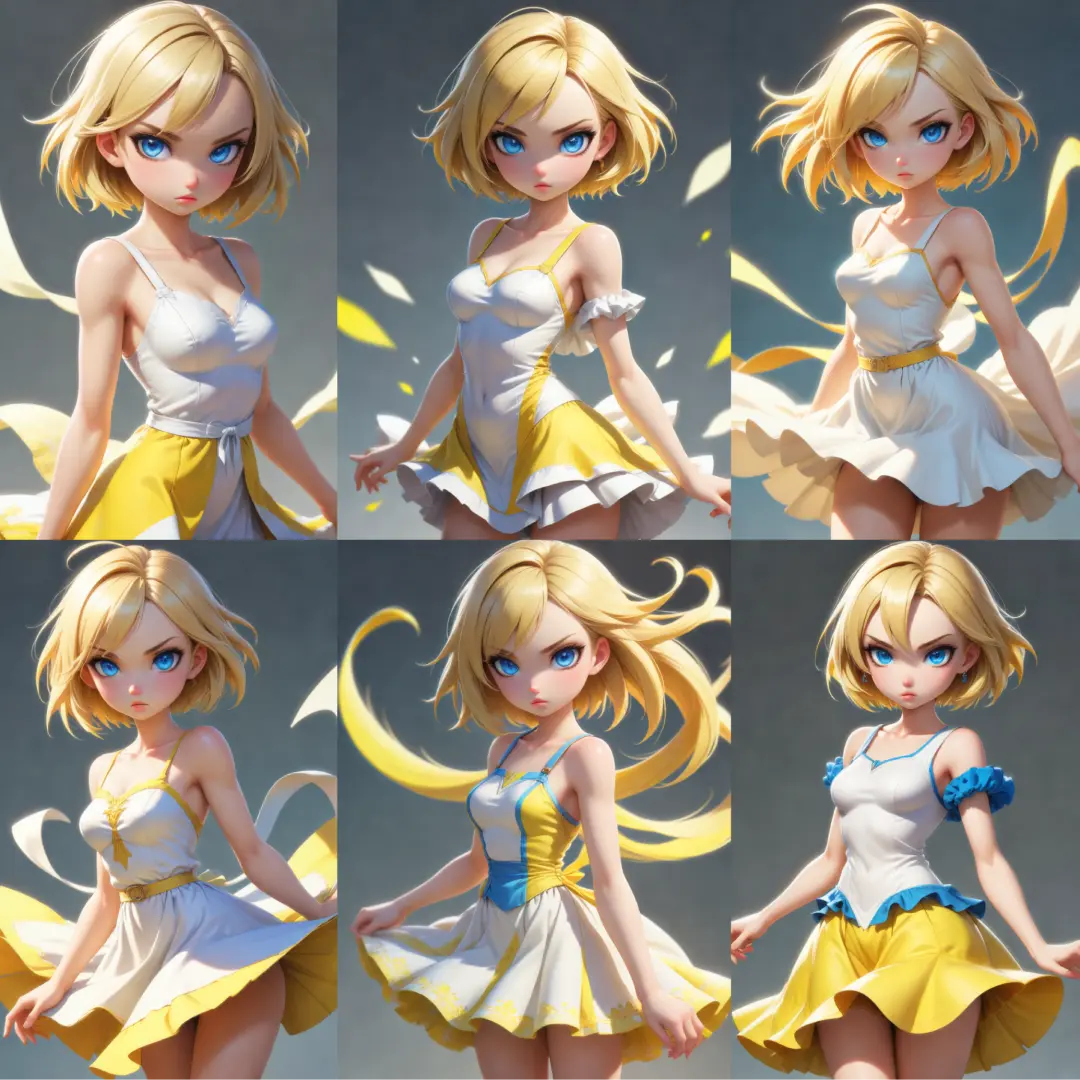
(Deno) Multi Image Loader:
The DenoMultiImageLoader is a versatile node designed to enhance the image loading capabilities within the ComfyUI environment. It allows you to load multiple images simultaneously, offering features such as drag-and-drop reordering, paste/upload support, and stable batch output. This node is particularly beneficial for AI artists who need to process multiple images efficiently, as it supports various resizing modes and interpolation methods to ensure that images are loaded and resized according to specific requirements. By providing a streamlined approach to handling multiple images, the DenoMultiImageLoader simplifies the workflow for users, enabling them to focus more on creative tasks rather than technical details.
(Deno) Multi Image Loader Input Parameters:
image_paths
This parameter accepts a string of image paths, allowing you to specify the images you wish to load. The paths should be separated by new lines if multiple images are to be loaded. This input is crucial as it determines which images the node will process.
mode
The mode parameter dictates how the images will be resized. It offers three options: "Keep Input Ratio," "Preset Ratio," and "Manual Input." The default is "Keep Input Ratio," which maintains the original aspect ratio of the images. This choice impacts how the images are scaled and can affect the final output's appearance.
ratio_preset
This parameter allows you to select a predefined aspect ratio for resizing images, such as "16:9." It is used when the mode is set to "Preset Ratio," ensuring that images are resized to fit the chosen aspect ratio.
megapixels
This float parameter specifies the target size of the images in megapixels, with a default value of 1.0. It ranges from 0.01 to 10.0, allowing you to control the resolution of the output images. Adjusting this value can help manage the balance between image quality and processing speed.
width
The width parameter sets the target width for the images in pixels, with a default of 1024. It can range from 64 to 8192, and it is adjusted in steps of 8. This parameter is particularly useful when you need images to fit specific dimensions.
height
Similar to the width parameter, the height sets the target height for the images in pixels, with the same range and default values. It ensures that images are resized to the desired vertical dimension.
divisible_by
This parameter ensures that the dimensions of the images are divisible by a specified value, such as 1, 8, 16, 32, 64, or 128, with a default of 32. This is important for compatibility with certain processing algorithms that require specific image dimensions.
interpolation
The interpolation parameter determines the method used to resize images, with options like "lanczos" as the default. This affects the quality of the resized images, with different methods offering varying levels of sharpness and smoothness.
resize_method
This parameter specifies the method used to resize images, with "Center Crop (Fill)" as the default. It influences how the images are cropped or padded during resizing, impacting the final composition of the images.
(Deno) Multi Image Loader Output Parameters:
multi_output
This output is a tensor containing the batch of loaded images. It represents the processed images after they have been loaded and resized according to the specified parameters. This output is crucial for further processing or analysis within the ComfyUI environment.
width
This output provides the final width of the processed images. It reflects any adjustments made during the resizing process, ensuring that the images meet the specified dimensions.
height
Similar to the width output, this parameter provides the final height of the processed images. It confirms that the images have been resized to the desired vertical dimension.
(Deno) Multi Image Loader Usage Tips:
- Ensure that the image paths are correctly specified and accessible to avoid loading errors.
- Use the "Keep Input Ratio" mode when you want to maintain the original aspect ratio of your images, which is useful for preserving the natural look of photographs.
- Adjust the megapixels parameter to balance between image quality and processing speed, especially when working with large batches of images.
(Deno) Multi Image Loader Common Errors and Solutions:
[ (Deno) Multi Image Loader] Missing image: ``
- Explanation: This error occurs when the specified image path does not exist or is inaccessible.
- Solution: Verify that the image paths are correct and that the images are located in the specified directories.
[ (Deno) Multi Image Loader] Failed to load : ``
: - Explanation: This error indicates that an exception occurred while attempting to load an image, possibly due to file corruption or unsupported formats.
- Solution: Check the integrity of the image files and ensure they are in a supported format (e.g., JPEG, PNG).