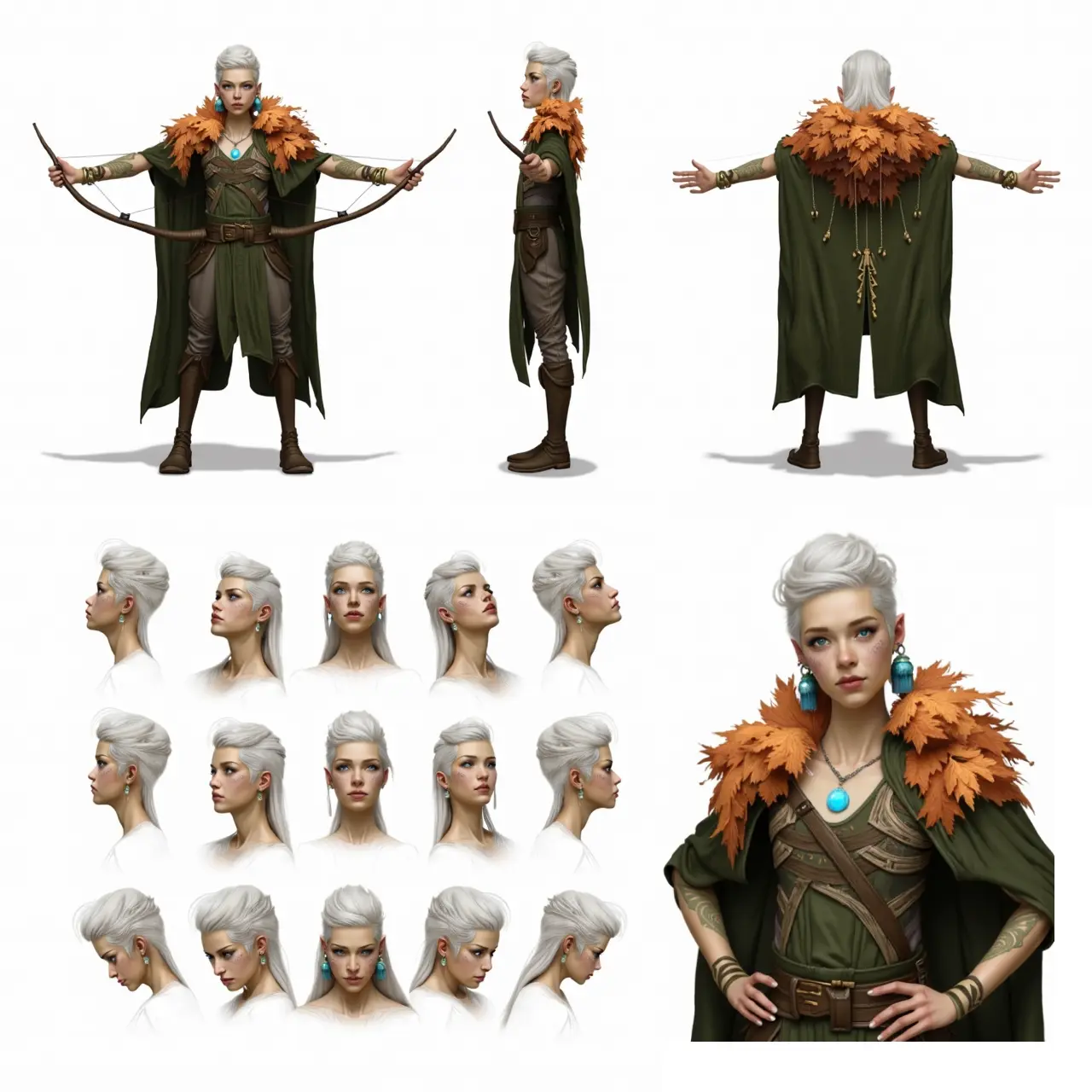
WaveSpeedAI Vidu Image to Video2.0:
The WaveSpeedAI ViduImageToVideo20Node is a powerful tool designed to transform static images into dynamic videos using the advanced capabilities of WaveSpeed AI's Vidu model. This node allows you to input an image along with a descriptive text prompt to generate a video that brings your vision to life. By leveraging AI technology, it provides a seamless way to create engaging video content from simple images, making it an invaluable asset for AI artists looking to enhance their creative projects. The node is particularly beneficial for those who wish to explore the intersection of visual art and storytelling, offering a unique method to animate still images with contextually relevant motion and narrative.
WaveSpeedAI Vidu Image to Video2.0 Input Parameters:
client
The client parameter is essential for authenticating and connecting to the WaveSpeed AI API. It requires a valid API client configuration, which ensures that the node can communicate with the WaveSpeed AI services to process your requests. This parameter does not have a default value and must be provided for the node to function.
image
The image parameter is a string that specifies the URL of the input image you wish to convert into a video. This parameter is crucial as it serves as the visual foundation for the video generation process. The image URL must be valid and accessible, and there is no default value, meaning you must provide a specific URL for each use.
prompt
The prompt parameter is a multiline string that allows you to input a descriptive text prompt to guide the video generation process. This prompt can be up to 2500 characters long and plays a significant role in determining the thematic and narrative elements of the resulting video. The default value is an empty string, but providing a detailed prompt can greatly enhance the quality and relevance of the generated video.
aspect_ratio
The aspect_ratio parameter allows you to select the desired aspect ratio for the output video. You can choose between "16:9" and "9:16", with "16:9" being the default option. This parameter affects the video's dimensions and is important for ensuring that the output fits your intended display format, whether it's for widescreen or vertical viewing.
duration
The duration parameter specifies the length of the generated video in seconds. You can choose from options such as "5s", "6s", "7s", and "8s", with "5s" being the default duration. This parameter determines how long the video will play, allowing you to tailor the video length to suit your project's needs.
WaveSpeedAI Vidu Image to Video2.0 Output Parameters:
video_url
The video_url parameter is a string that provides the URL of the generated video. This output is the final result of the node's processing, offering a direct link to the video created from your input image and prompt. The video URL is essential for accessing and viewing the generated content, allowing you to easily share or download the video for further use.
WaveSpeedAI Vidu Image to Video2.0 Usage Tips:
- Ensure that the image URL provided is accessible and correctly formatted to avoid errors during video generation.
- Craft a detailed and descriptive prompt to enhance the thematic and narrative quality of the generated video, as this greatly influences the final output.
- Choose the aspect ratio that best fits your intended display format to ensure the video appears correctly on your target platform.
- Select an appropriate video duration based on the complexity of the scene you wish to create, keeping in mind that longer durations may require more processing time.
WaveSpeedAI Vidu Image to Video2.0 Common Errors and Solutions:
Image URL is required
- Explanation: This error occurs when the
imageparameter is not provided or is empty. - Solution: Ensure that you supply a valid URL for the image you wish to convert into a video.
No video URL in the generated result
- Explanation: This error indicates that the video generation process did not produce a valid output URL.
- Solution: Verify that all input parameters are correctly set and that the API client is properly configured. If the issue persists, consider checking the API service status or contacting support for assistance.