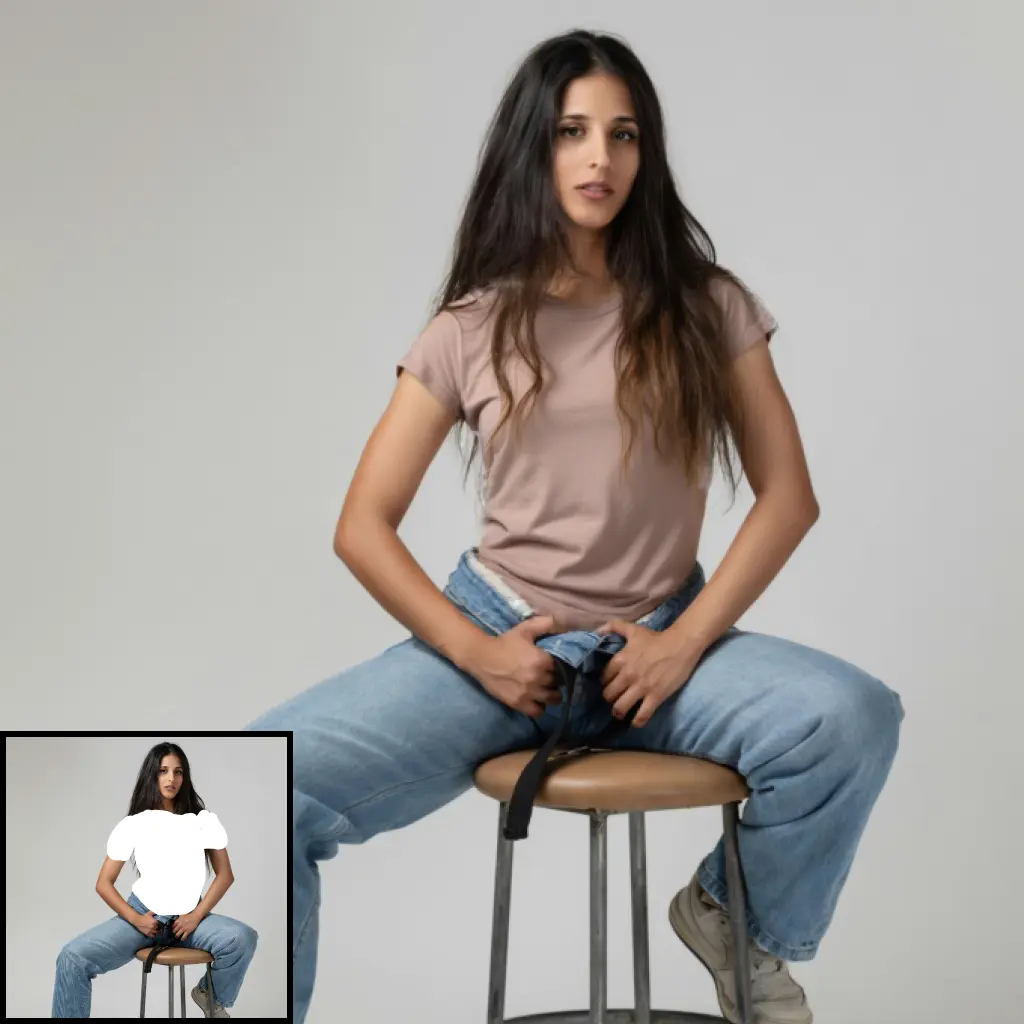
𝙆 Mask Filler:
The Mask_Filler node is designed to enhance and complete mask images by filling in the contours of the mask. This node is particularly useful in image processing tasks where you need to ensure that the mask is solid and continuous, without any gaps or holes. By identifying the contours within a mask and filling them, the Mask_Filler ensures that the mask is fully opaque in the areas it covers, which can be crucial for tasks like image segmentation, inpainting, or any application where precise mask coverage is required. This node leverages the power of OpenCV to detect and fill contours, making it a robust tool for artists and developers working with AI-generated imagery.
𝙆 Mask Filler Input Parameters:
mask
The mask parameter is the primary input for the Mask_Filler node. It represents the mask image that you want to process and fill. This parameter is crucial as it determines the initial state of the mask before any filling operations are applied. The mask should be provided as a tensor, typically in a format compatible with PyTorch, which allows for efficient manipulation and processing. The input mask is expected to be in a binary format, where the areas of interest are marked, usually with values close to 1, and the background is marked with values close to 0. There are no specific minimum, maximum, or default values for this parameter, as it depends on the specific mask image you are working with.
𝙆 Mask Filler Output Parameters:
MASK
The MASK output parameter is the result of the filling operation performed by the Mask_Filler node. This output is a tensor that represents the filled mask, where all contours within the original mask have been identified and filled, resulting in a solid and continuous mask. The filled mask is returned in a format that is ready for further processing or use in subsequent image processing tasks. This output is crucial for ensuring that the mask is fully opaque in the desired areas, which can significantly improve the quality and accuracy of tasks that rely on precise mask coverage.
𝙆 Mask Filler Usage Tips:
- Ensure that the input mask is properly pre-processed and in a binary format to achieve the best results with the
Mask_Fillernode. - Use the
Mask_Fillernode in conjunction with other mask processing nodes, such asThresholdMaskorGrowMask, to refine and enhance your masks further.
𝙆 Mask Filler Common Errors and Solutions:
Error: "Input mask is not a tensor"
- Explanation: This error occurs when the input provided to the
Mask_Fillernode is not in the expected tensor format. - Solution: Ensure that the input mask is converted to a PyTorch tensor before passing it to the node.
Error: "Mask dimensions are incorrect"
- Explanation: This error indicates that the input mask does not have the correct dimensions, which can prevent the node from processing it correctly.
- Solution: Verify that the mask is a 2D or 3D tensor with appropriate dimensions, and reshape it if necessary before inputting it into the node.