



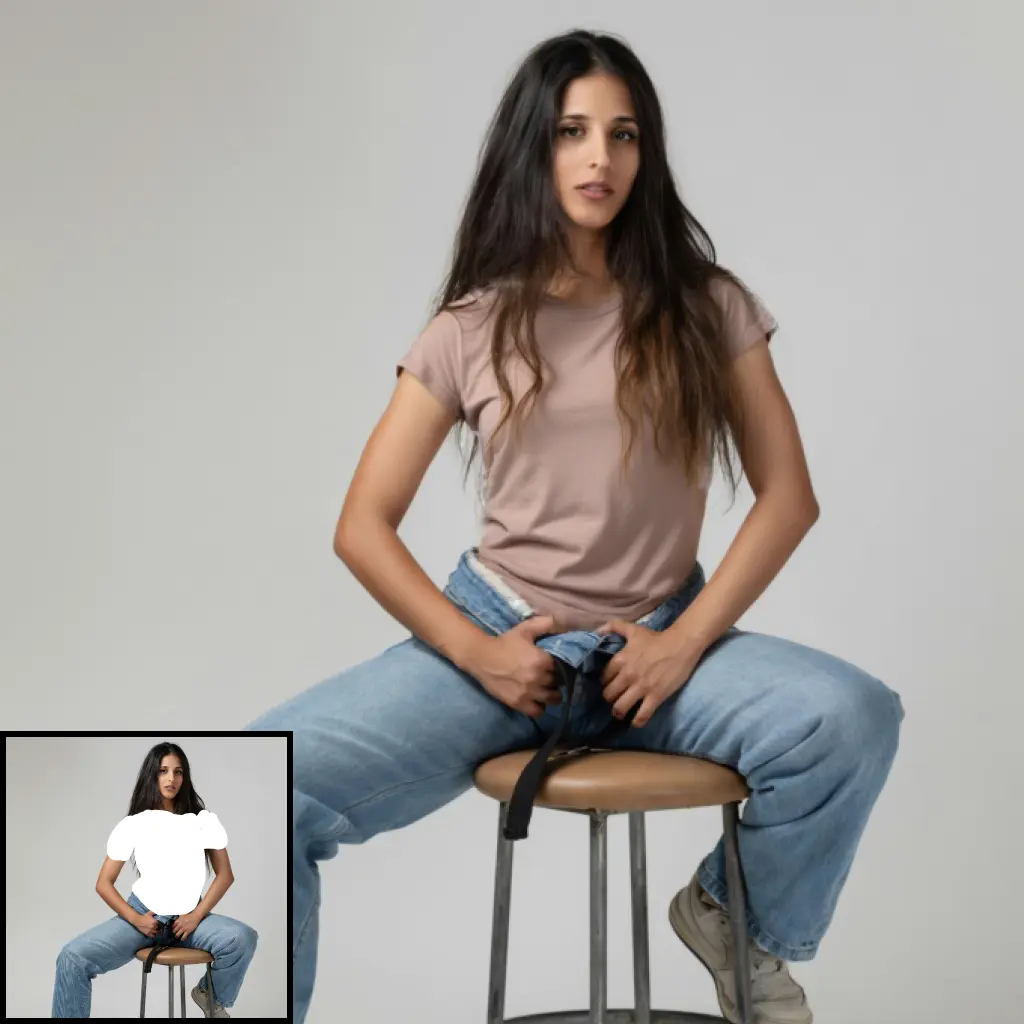
VAE Encoder PoP:
The VAEEncoderPoP node is designed to transform images into latent representations using a Variational Autoencoder (VAE). This process is essential in various AI art applications where images need to be compressed into a more manageable form without losing essential features. The node's primary function is to encode images into a latent space, which can then be used for tasks such as image generation, manipulation, or style transfer. By focusing on the core features of an image, the VAEEncoderPoP node allows for efficient storage and processing, making it a valuable tool for artists and developers working with complex image data. The node ensures that the images are cropped to a square format before encoding, optimizing the input for the VAE model and enhancing the quality of the latent representation.
VAE Encoder PoP Input Parameters:
pixels
The pixels parameter represents the input image that you want to encode into a latent representation. This parameter is crucial as it provides the raw data that the VAE model will process. The image is expected to be in a format that the node can handle, typically a multi-dimensional array representing pixel values. The node will crop the image to a square format to ensure compatibility with the VAE model, focusing on the central part of the image to maintain the most relevant features. This parameter does not have specific minimum, maximum, or default values, as it depends on the image you provide.
vae_name
The vae_name parameter specifies the name of the VAE model you wish to use for encoding. This parameter is essential because it determines which pre-trained VAE model will be applied to the input image. The available options for this parameter are determined by the models present in the designated VAE folder, which can be accessed through the folder_paths.get_filename_list("vae") function. Selecting the appropriate VAE model is crucial for achieving the desired encoding results, as different models may have varying capabilities and characteristics.
VAE Encoder PoP Output Parameters:
samples
The samples output parameter contains the latent representation of the input image. This output is a dictionary with a key "samples" that holds the encoded data. The latent representation is a compressed version of the original image, capturing its essential features in a format that is suitable for further processing or analysis. This output is crucial for tasks that require manipulation or generation of images based on their latent features, as it provides a compact and efficient way to work with complex image data.
VAE Encoder PoP Usage Tips:
- Ensure that the input image is of high quality and resolution to achieve the best results in the latent representation. The cropping process focuses on the central part of the image, so make sure the most important features are centered.
- Choose the appropriate VAE model by specifying the correct
vae_name. Different models may produce different results, so experiment with various models to find the one that best suits your needs.
VAE Encoder PoP Common Errors and Solutions:
FileNotFoundError: VAE model not found
- Explanation: This error occurs when the specified VAE model name does not match any available models in the designated folder.
- Solution: Verify that the
vae_nameparameter is correct and that the model file exists in the specified directory. Use thefolder_paths.get_filename_list("vae")function to check available models.
ValueError: Image format not supported
- Explanation: This error arises when the input image is not in a format that the node can process.
- Solution: Ensure that the input image is in a compatible format, typically a multi-dimensional array representing pixel values. Convert the image to the required format if necessary.