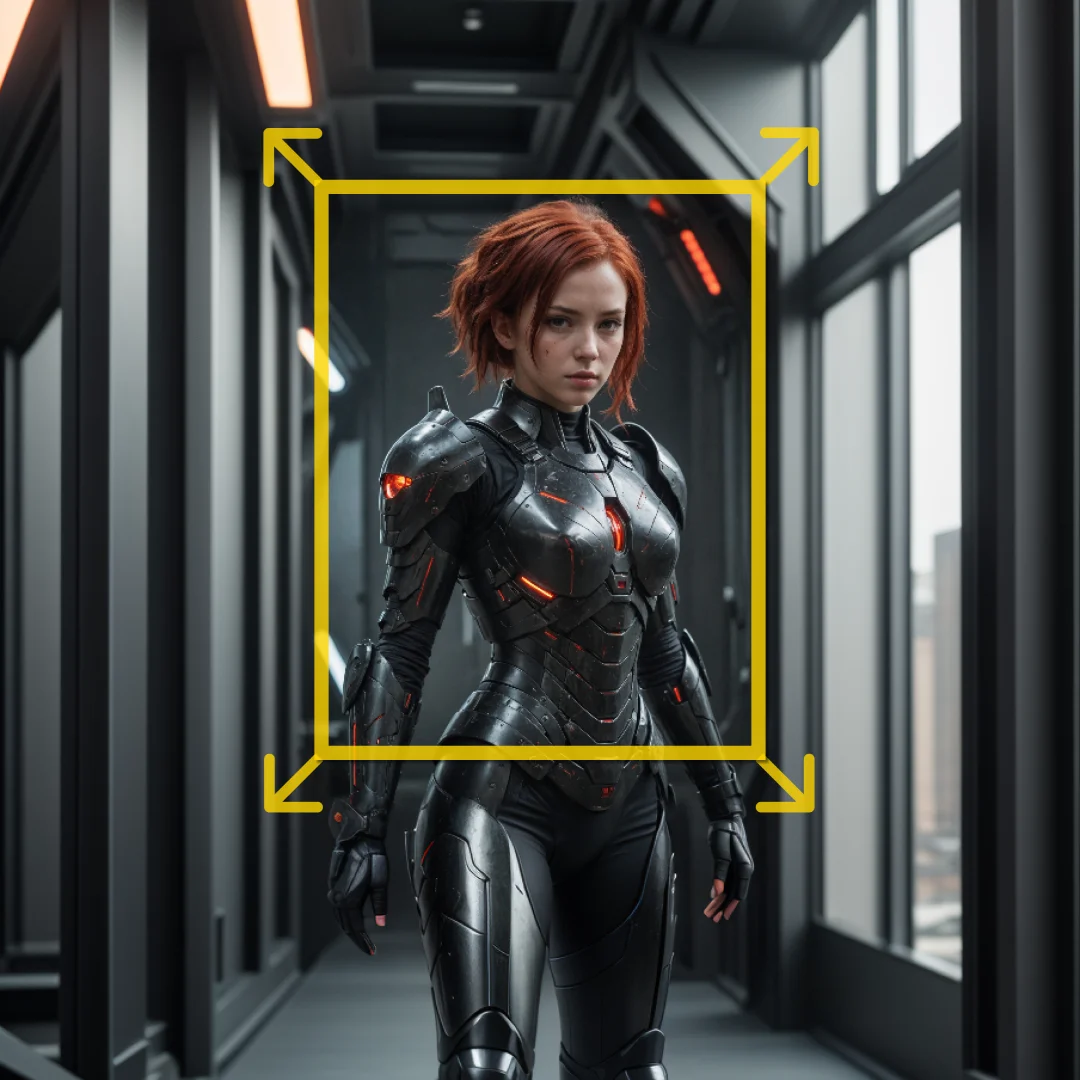
LTX-2 Pad Reflect (IMAGE batch):
The IAMCCS_LTX2_ImageBatchPadReflect node is designed to enhance image batches by applying padding with a reflective or replicative approach. This node is particularly useful when you need to expand the dimensions of your images without introducing new content, which can be crucial for maintaining the integrity of the image's edges. By reflecting or replicating the existing pixels at the borders, this node ensures that the padded areas blend seamlessly with the original image, avoiding abrupt transitions that can occur with other padding methods. This functionality is essential in workflows where maintaining the visual consistency of image edges is critical, such as in image processing tasks that require specific input dimensions or when preparing images for further transformations that demand uniform sizes.
LTX-2 Pad Reflect (IMAGE batch) Input Parameters:
images
This parameter represents the batch of images you wish to pad. It is a tensor with dimensions [B, H, W, C], where B is the batch size, H is the height, W is the width, and C is the number of color channels. The images parameter is crucial as it serves as the primary input for the padding operation. Ensure that this parameter is not None, as the node requires valid image data to function.
pad_x
This integer parameter specifies the amount of padding to be added to the left and right sides of each image in the batch. The minimum value is 0, and there is no explicit maximum, but it should be less than the width of the image to avoid runtime errors. The default value is not specified, but it should be set according to the desired padding effect. The effective padding applied will be clamped to ensure it does not exceed the image dimensions.
pad_y
Similar to pad_x, this integer parameter determines the padding to be added to the top and bottom of each image. The minimum value is 0, and it should be less than the height of the image. The default value is not specified, but it should be chosen based on the required padding effect. The effective padding will be adjusted to prevent exceeding the image dimensions.
pad_mode
This parameter defines the mode of padding to be used, with options being "reflect" or "replicate". The default mode is "reflect", which mirrors the image edges, while "replicate" repeats the edge pixels. This choice affects how the padded areas are filled and can impact the visual outcome of the padded images.
LTX-2 Pad Reflect (IMAGE batch) Output Parameters:
images
The output images parameter is the batch of images after the padding operation has been applied. It retains the original batch size but with updated dimensions reflecting the added padding. This output is crucial for subsequent processing steps that require images of specific dimensions.
report
This output provides a detailed report of the padding operation, including the mode used, the requested and effective padding values, and the change in image dimensions. This information is valuable for verifying that the padding was applied as intended and for debugging purposes.
LTX-2 Pad Reflect (IMAGE batch) Usage Tips:
- Ensure that the
pad_xandpad_yvalues are set appropriately to avoid excessive padding that could distort the image's aspect ratio. - Use the "reflect" mode for a more natural extension of image edges, especially when the continuity of patterns or textures is important.
- Check the
reportoutput to confirm that the padding was applied correctly and to understand any adjustments made to the requested padding values.
LTX-2 Pad Reflect (IMAGE batch) Common Errors and Solutions:
ValueError: images is required
- Explanation: This error occurs when the
imagesparameter is not provided or isNone. - Solution: Ensure that you pass a valid tensor of images to the node before executing the padding operation.
RuntimeError: Padding size should be less than the corresponding dimension
- Explanation: This error happens when the requested padding exceeds the image dimensions, which is not allowed in "reflect" mode.
- Solution: Adjust the
pad_xandpad_yvalues to be less than the width and height of the images, respectively, to avoid this error.