



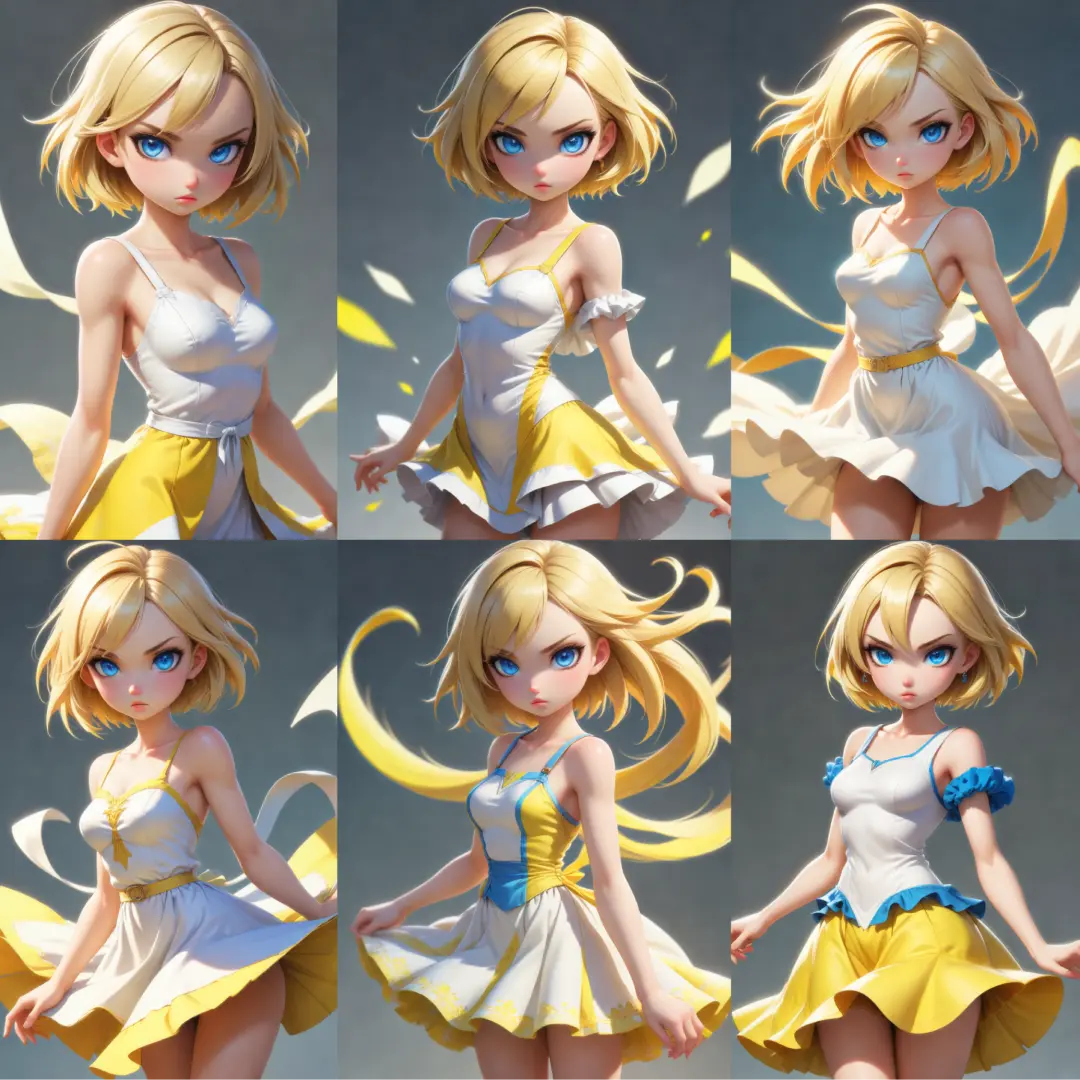
Hunyuan 3 Generate:
HunyuanImage3Generate is a sophisticated node designed to facilitate the generation of images using the Hunyuan framework. This node is part of a comprehensive suite of tools aimed at providing high-quality image generation capabilities, leveraging advanced AI models. The primary goal of HunyuanImage3Generate is to offer a seamless and efficient way to create images based on user-defined prompts, utilizing various parameters to fine-tune the output. It supports a range of configurations that allow you to control aspects such as resolution, guidance scale, and prompt rewriting, ensuring that the generated images meet specific artistic or technical requirements. By integrating with ComfyUI, it ensures compatibility with a wide array of extensions, making it a versatile choice for AI artists looking to explore creative possibilities.
Hunyuan 3 Generate Input Parameters:
model
The model parameter specifies the AI model to be used for image generation. It determines the underlying architecture and capabilities that will influence the style and quality of the generated images. There are no specific minimum or maximum values, but it is crucial to select a model compatible with the Hunyuan framework.
prompt
The prompt parameter is a textual description that guides the image generation process. It serves as the creative input that the AI model interprets to produce visual content. The prompt can vary in complexity, and its effectiveness depends on how well it conveys the desired image characteristics.
seed
The seed parameter is a numerical value that initializes the random number generator, ensuring reproducibility of results. By using the same seed, you can generate identical images across different sessions. There is no fixed range, but typically, any integer can be used.
steps
The steps parameter defines the number of iterations the model will perform during the image generation process. More steps generally lead to higher quality images but require more computational resources. The minimum value is usually 1, with no strict maximum, though practical limits depend on available hardware.
resolution
The resolution parameter sets the dimensions of the generated image, typically in pixels. Higher resolutions result in more detailed images but also demand more processing power and memory. Common resolutions range from 256x256 to 1024x1024 pixels.
guidance_scale
The guidance_scale parameter adjusts the influence of the prompt on the image generation. A higher scale means the model will adhere more closely to the prompt, while a lower scale allows for more creative freedom. Values typically range from 1.0 to 20.0, with a default around 7.5.
post_action
The post_action parameter determines what happens to the model after image generation. Options include "keep_loaded" to retain the model in memory for subsequent use, or "full_unload" to free up resources. This choice impacts performance and resource management.
enable_prompt_rewrite
The enable_prompt_rewrite parameter is a boolean that, when enabled, allows the system to modify the prompt for potentially improved results. This can be useful for refining outputs but may alter the original intent of the prompt.
rewrite_style
The rewrite_style parameter specifies the method used for prompt rewriting, if enabled. Options vary and can include styles like "none" for no rewriting or other predefined styles that adjust the prompt's tone or structure.
api_url
The api_url parameter is the endpoint used for accessing external services or models, typically formatted as a URL. It is essential for connecting to the appropriate API for image generation tasks.
model_name
The model_name parameter identifies the specific model to be used within the framework, often corresponding to a version or variant of the AI model. This ensures the correct model is loaded and utilized for generation.
skip_device_check
The skip_device_check parameter is a boolean that, when true, bypasses checks for available hardware resources. This can be useful in environments where resource availability is known and consistent.
Hunyuan 3 Generate Output Parameters:
image
The image output is the final visual product generated by the node. It reflects the input parameters and prompt, providing a tangible result of the AI's interpretation and processing.
rewritten_prompt
The rewritten_prompt output provides the modified version of the original prompt, if prompt rewriting was enabled. This can offer insights into how the AI adjusted the input to achieve the final image.
status
The status output indicates the success or failure of the image generation process, often accompanied by additional information such as memory usage or errors encountered.
trigger
The trigger output is a signal or flag used to indicate specific events or conditions during the generation process, useful for debugging or workflow automation.
Hunyuan 3 Generate Usage Tips:
- Experiment with different
guidance_scalevalues to balance adherence to the prompt with creative freedom. - Use the
seedparameter to reproduce specific images or explore variations by changing the seed value. - Adjust the
stepsparameter to find the optimal balance between image quality and processing time. - Enable
enable_prompt_rewriteto see how the AI can enhance or alter your original prompt for potentially better results.
Hunyuan 3 Generate Common Errors and Solutions:
"CUDA out of memory"
- Explanation: This error occurs when the GPU does not have enough memory to process the image generation task.
- Solution: Reduce the
resolutionorstepsparameters, or consider using a model with lower VRAM requirements.
"Model not found"
- Explanation: The specified model could not be located or loaded.
- Solution: Verify the
model_nameand ensure it is correctly installed and accessible within the framework.
"Invalid API URL"
- Explanation: The
api_urlprovided is incorrect or unreachable. - Solution: Check the URL for typos and ensure the endpoint is active and accessible from your network.
"Prompt rewrite failed"
- Explanation: An error occurred during the prompt rewriting process.
- Solution: Disable
enable_prompt_rewriteor review therewrite_stylefor compatibility with the current prompt.