



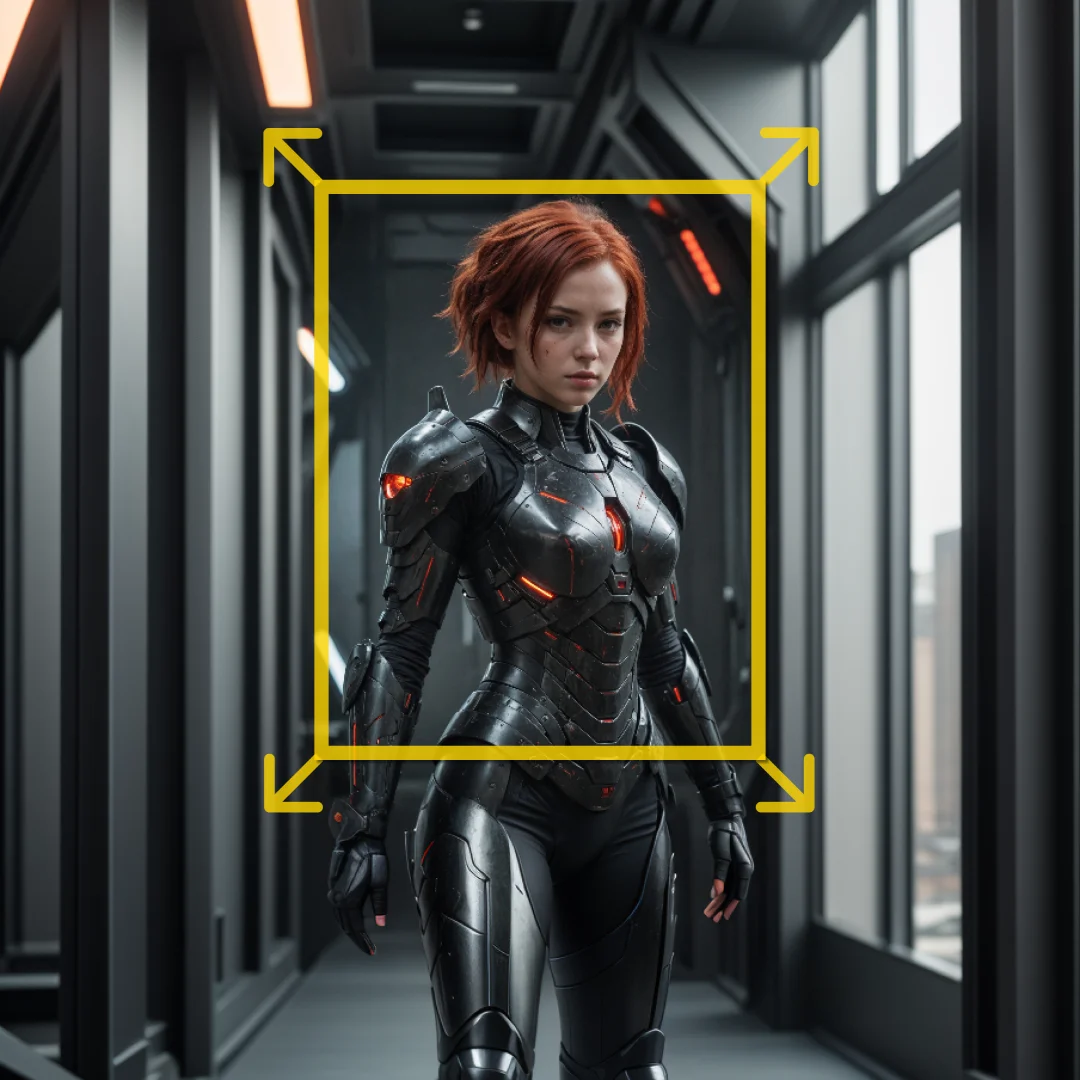
KSampler + Tiled Decoder:
The Sage_KSamplerTiledDecoder node is designed to enhance the image generation process by utilizing a KSampler with a tiled VAE decoder. This node is particularly beneficial for AI artists looking to generate high-quality images from latent representations. It leverages the power of a provided model along with positive and negative conditioning to effectively denoise latent images. The unique aspect of this node is its ability to handle tiling, which is especially useful when working with large images or when specific tiling information is provided. This ensures that the generated images maintain high resolution and detail, even when working with extensive datasets or complex image structures. By integrating seamlessly with the Sampler info node, it offers a streamlined workflow for artists aiming to produce visually appealing and coherent images.
KSampler + Tiled Decoder Input Parameters:
model
The model parameter is the core component that drives the image generation process. It represents the pre-trained model used to interpret and process the latent image data. The choice of model can significantly impact the style and quality of the generated image, making it crucial to select a model that aligns with your artistic goals.
sampler_info
The sampler_info parameter provides essential information about the sampling process. This includes details on how the latent image should be processed and denoised. Proper configuration of this parameter ensures that the sampling aligns with the desired output characteristics, influencing the smoothness and detail of the final image.
positive
The positive parameter is used to apply positive conditioning to the latent image. This involves emphasizing certain features or aspects of the image that are desirable, enhancing the overall quality and focus of the generated image. It plays a critical role in guiding the model towards producing the intended visual effects.
negative
Conversely, the negative parameter applies negative conditioning, which helps in suppressing unwanted features or artifacts in the latent image. By carefully adjusting this parameter, you can refine the output to avoid elements that detract from the desired aesthetic or clarity.
latent_image
The latent_image parameter is the initial input that represents the encoded version of the image. This latent representation is what the model will process and decode into a final image. The quality and characteristics of this input can greatly influence the outcome, making it important to start with a well-formed latent image.
vae
The vae parameter refers to the Variational Autoencoder used in the decoding process. This component is responsible for transforming the latent representation back into a coherent image. The choice of VAE can affect the fidelity and style of the output, so selecting an appropriate VAE is crucial for achieving the desired results.
denoise
The denoise parameter controls the level of noise reduction applied during the image generation process. It accepts values between 0.0 and 1.0, with a default of 1.0. A higher value results in a cleaner image with less noise, while a lower value may retain more of the original texture and detail. Adjusting this parameter allows for fine-tuning the balance between clarity and texture.
tiling_info
The tiling_info parameter is optional and provides information on how the image should be tiled. This is particularly useful for generating large images or when specific tiling patterns are required. By configuring this parameter, you can ensure that the image is processed in segments, maintaining high resolution and detail across the entire output.
KSampler + Tiled Decoder Output Parameters:
latent
The latent output represents the processed latent image after it has been denoised and conditioned. This output can be used for further processing or analysis, providing a refined version of the initial latent input that is ready for decoding into a final image.
image
The image output is the final generated image, produced by decoding the processed latent representation using the VAE. This output is the culmination of the entire process, reflecting the combined effects of the model, conditioning, and tiling. It is the primary result that artists will use and evaluate for quality and artistic value.
KSampler + Tiled Decoder Usage Tips:
- Ensure that the
modelandvaeare compatible and well-suited for your artistic goals to achieve the best results. - Experiment with the
denoiseparameter to find the right balance between image clarity and texture, depending on the style you are aiming for. - Utilize the
tiling_infoparameter when working with large images to maintain high resolution and detail across the entire output.
KSampler + Tiled Decoder Common Errors and Solutions:
Model not compatible
- Explanation: The selected model may not be compatible with the latent image or VAE.
- Solution: Verify that the model is appropriate for the type of latent image and VAE you are using. Consider using a different model that aligns with your input data.
Image output is blurry
- Explanation: The
denoiseparameter might be set too high, removing essential details. - Solution: Adjust the
denoiseparameter to a lower value to retain more detail and texture in the image.
Tiling artifacts present
- Explanation: Incorrect
tiling_infoconfiguration can lead to visible seams or artifacts. - Solution: Review and adjust the
tiling_infosettings to ensure seamless tiling, especially focusing on overlap and tile size.