



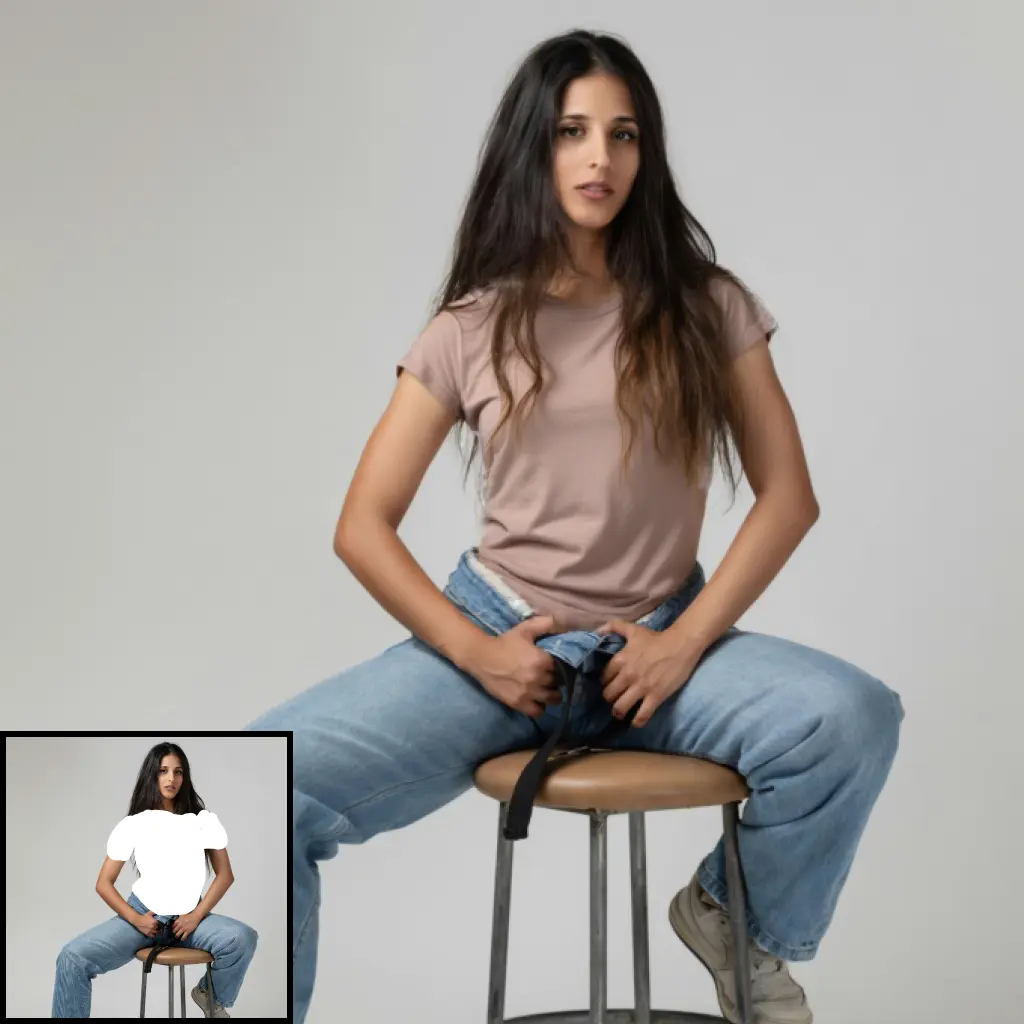
Load Image Basic (RMBG) 🖼️:
The AILab_LoadImageSimple node is designed to facilitate the straightforward loading of images into your workflow, specifically tailored for AI art applications. This node is part of the ComfyUI-RMBG suite, which focuses on image processing and manipulation. Its primary purpose is to provide a basic yet efficient method for importing images, allowing you to seamlessly integrate them into your creative projects. By leveraging this node, you can easily load images without the need for complex configurations or advanced processing options, making it an ideal choice for users who require a quick and simple solution for image loading. The node ensures that images are prepared for further processing or manipulation, serving as a foundational step in your image-based workflows.
Load Image Basic (RMBG) 🖼️ Input Parameters:
image_path_or_URL
This parameter specifies the location of the image you wish to load. It can be a local file path or a URL pointing to an image on the web. The function of this parameter is to identify and retrieve the image data for further processing. There are no specific minimum or maximum values, but it must be a valid path or URL.
upscale_method
This parameter determines the method used for resampling the image during any resizing operations. Options include "nearest-exact", "bilinear", "area", "bicubic", and "lanczos", with "lanczos" being the default. The choice of method affects the quality and performance of the image scaling, with some methods providing smoother results than others.
megapixels
This parameter sets a limit on the number of megapixels for the processed image. It helps manage memory usage and processing time by controlling the image's resolution. The default value is 0.0, which means no limit is applied.
scale_by
This parameter allows you to scale the image by a specific factor. A value of 1.0 means no scaling, while values greater than 1.0 will enlarge the image, and values less than 1.0 will reduce its size. This parameter provides flexibility in adjusting the image size to fit your needs.
resize_mode
This parameter specifies how the image should be resized. Options include "longest_side", which resizes the image based on its longest side, ensuring that the aspect ratio is maintained. This mode is useful for standardizing image dimensions without distortion.
size
This parameter defines the target size for the image when resizing. It works in conjunction with the resize_mode to determine the final dimensions of the image. The default value is 0, indicating that no specific size is set unless specified by the user.
Load Image Basic (RMBG) 🖼️ Output Parameters:
image_tensor
This output represents the loaded image in a tensor format, which is suitable for further processing in AI models. The tensor format allows for efficient manipulation and analysis of the image data.
mask_tensor
This output provides a tensor representation of any associated mask with the image. Masks are often used in image processing to isolate or highlight specific areas of an image, and this tensor format facilitates their use in subsequent operations.
width
This output indicates the width of the processed image. It is important for understanding the dimensions of the image and ensuring compatibility with other nodes or processes in your workflow.
height
This output indicates the height of the processed image. Like the width, it is crucial for maintaining the correct aspect ratio and ensuring that the image fits within the desired parameters of your project.
Load Image Basic (RMBG) 🖼️ Usage Tips:
- Ensure that the
image_path_or_URLis correctly specified to avoid loading errors. Double-check the path or URL for typos or incorrect formats. - Choose the
upscale_methodbased on your quality requirements. For high-quality results, consider using "lanczos" or "bicubic". - Use the
scale_byparameter to quickly adjust the image size without altering the original aspect ratio, which is useful for fitting images into specific layouts.
Load Image Basic (RMBG) 🖼️ Common Errors and Solutions:
Image is None
- Explanation: This error occurs when the specified image path or URL does not point to a valid image file.
- Solution: Verify that the
image_path_or_URLis correct and accessible. Ensure that the file exists at the specified location or that the URL is reachable.
Error loading image
- Explanation: This error indicates a failure in the image loading process, possibly due to an unsupported file format or corrupted image data.
- Solution: Check the image file format and ensure it is supported. If the image is corrupted, try using a different file or re-downloading the image from the source.