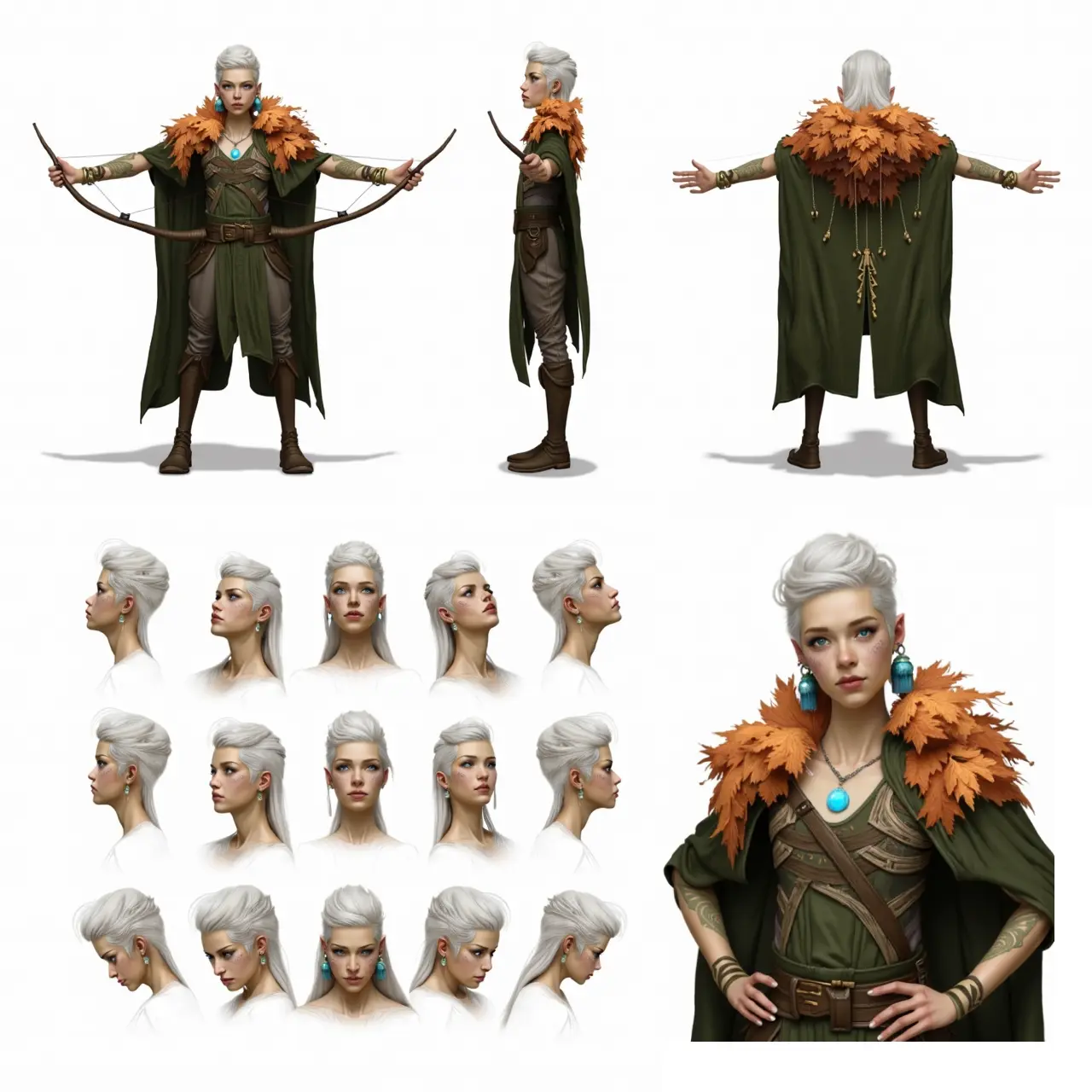
Flux Klein RefGrid:
The FluxKleinRefGrid node is designed to facilitate the creation of a reference grid from a set of images, which can be used in AI art generation workflows. This node is particularly useful for artists who want to incorporate multiple image references into their creative process, allowing for a more nuanced and complex conditioning of AI models. By compiling up to four images into a single grid, the node encodes this grid into a latent space representation using a Variational Autoencoder (VAE). This latent representation can then be scaled and integrated into the conditioning process of AI models, enhancing the model's ability to generate art that reflects the characteristics of the reference images. The primary goal of the FluxKleinRefGrid is to streamline the integration of multiple visual references, making it easier for artists to experiment with and influence the output of AI-generated art.
Flux Klein RefGrid Input Parameters:
conditioning
The conditioning parameter is a crucial input that represents the initial state or context in which the node operates. It is used to set the baseline conditions for the AI model, which will be modified by the reference grid. This parameter ensures that the model's output is influenced by the reference images, allowing for more controlled and predictable results.
vae
The vae parameter refers to the Variational Autoencoder used to encode the image grid into a latent space. This encoding process is essential for transforming the visual information from the images into a format that the AI model can process and understand. The VAE helps in capturing the essential features of the images, which are then used to condition the model's output.
strength
The strength parameter is a floating-point value that determines the intensity of the influence that the reference grid has on the conditioning process. It ranges from -10.0 to 10.0, with a default value of 1.0. A higher strength value increases the impact of the reference images on the model's output, while a lower value reduces it. This parameter allows artists to fine-tune the balance between the reference images and the model's inherent characteristics.
image_list
The image_list parameter is a string that contains a JSON-encoded list of image paths. This list specifies the images to be included in the reference grid. The node requires at least one image to function, and it can process up to four images. The images are loaded, resized, and compiled into a grid, which is then encoded into the latent space. This parameter is essential for defining the visual references that will influence the AI model's output.
Flux Klein RefGrid Output Parameters:
conditioning
The conditioning output is the modified version of the input conditioning, now influenced by the reference grid. This output is crucial for subsequent nodes in the workflow, as it carries the latent representation of the reference images, allowing the AI model to generate art that reflects the characteristics of these images.
grid_image
The grid_image output is the visual representation of the compiled reference grid. It provides a tangible view of the images that have been integrated into the conditioning process. This output can be used for previewing the reference grid or for further processing in the AI art generation workflow.
Flux Klein RefGrid Usage Tips:
- Ensure that the
image_listcontains valid paths to images, as the node requires at least one image to function properly. Use up to four images for optimal results. - Adjust the
strengthparameter to control the influence of the reference images on the model's output. Experiment with different values to achieve the desired balance between the reference images and the model's inherent characteristics.
Flux Klein RefGrid Common Errors and Solutions:
"Flux Klein RefGrid: add at least one image via the node's gallery before running."
- Explanation: This error occurs when the
image_listis empty or does not contain valid image paths. - Solution: Ensure that the
image_listparameter contains at least one valid image path. Check the format and content of the JSON-encoded string to confirm that it specifies the correct paths to the images you want to use.