



Image Autotone:
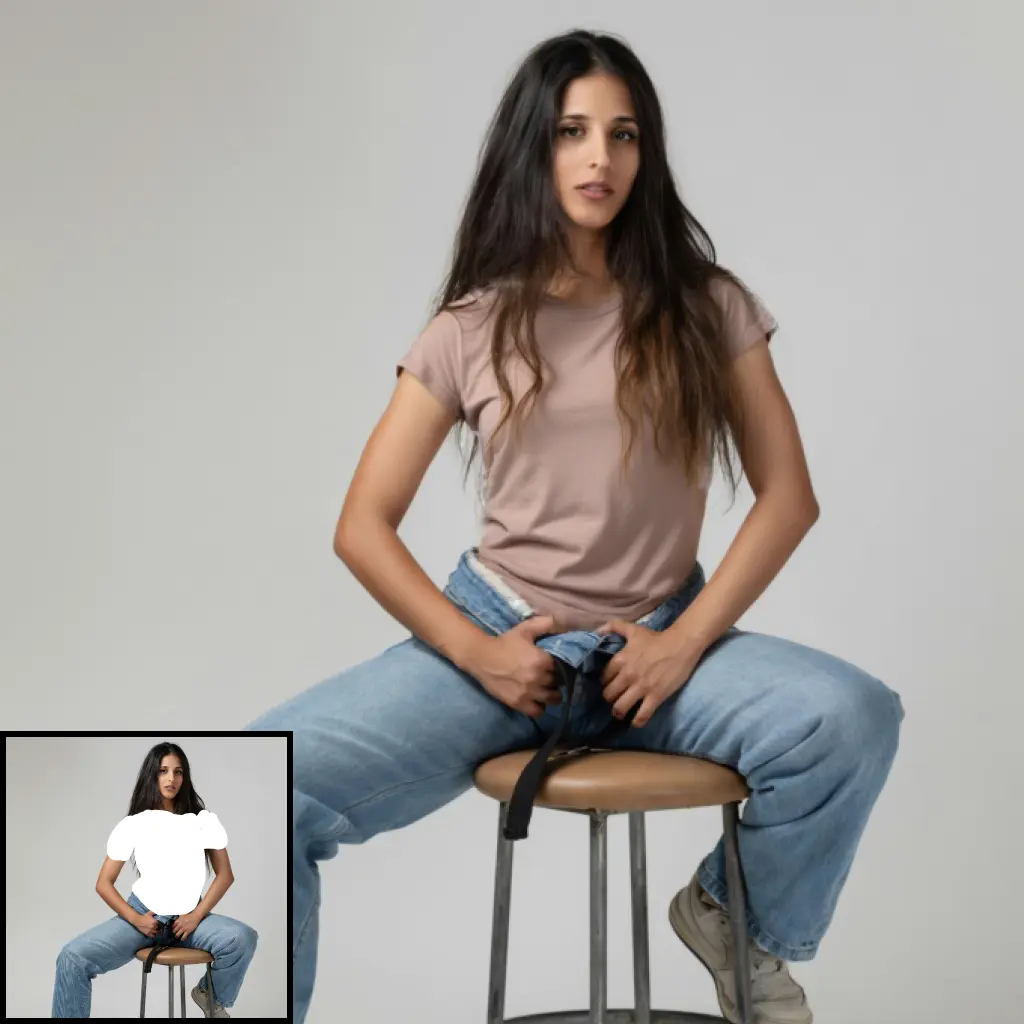
The Image Autotone node is designed to enhance the visual quality of images by automatically adjusting their tonal range. This node is particularly useful for increasing contrast and correcting color casts in images, making them appear more vibrant and balanced. It achieves this by independently clipping the color channels, which allows for a more nuanced adjustment of shadows and highlights. This process is inspired by the "Auto Tone" feature found in popular image editing software like Photoshop. By using this node, you can effortlessly improve the overall appearance of your images, making them more visually appealing without the need for manual adjustments.
Image Autotone Input Parameters:
image
The image parameter is the input image that you want to process. It should be provided in a compatible format, typically as a tensor or array, that the node can interpret and manipulate. This parameter is essential as it serves as the base for all subsequent tonal adjustments.
shadows
The shadows parameter specifies the color to be used for the shadows in the image. It accepts a comma-separated RGB value (e.g., 0,0,0 for black) or a HEX string (e.g., #000000). This parameter allows you to define the darkest tones in the image, influencing how shadow areas are rendered. The default value is 0,0,0.
highlights
The highlights parameter defines the color for the highlights in the image. Similar to the shadows parameter, it accepts a comma-separated RGB value (e.g., 255,255,255 for white) or a HEX string (e.g., #FFFFFF). This parameter determines the brightest tones in the image, affecting how highlight areas are displayed. The default value is 255,255,255.
shadow_clip
The shadow_clip parameter is a float value that determines the percentage of pixels to clip from the shadows. This value ranges from 0.0 to 1.0, with a default of 0.001. By adjusting this parameter, you can control the extent to which shadow details are clipped, which can enhance contrast by darkening shadow areas.
highlight_clip
The highlight_clip parameter is a float value that specifies the percentage of pixels to clip from the highlights. Like the shadow_clip, it ranges from 0.0 to 1.0, with a default of 0.001. This parameter allows you to manage the clipping of highlight details, which can increase contrast by brightening highlight areas.
Image Autotone Output Parameters:
IMAGE
The output parameter is an IMAGE, which is the processed version of the input image. This output reflects the adjustments made to the tonal range, with enhanced contrast and corrected color casts. The resulting image is typically more visually appealing, with improved balance between shadows and highlights.
Image Autotone Usage Tips:
- Experiment with different
shadow_clipandhighlight_clipvalues to achieve the desired level of contrast in your images. Small adjustments can significantly impact the final appearance. - Use the
shadowsandhighlightsparameters to correct color casts by setting them to complementary colors of the unwanted tint in your image.
Image Autotone Common Errors and Solutions:
Image format not supported
- Explanation: The input image is not in a compatible format that the node can process.
- Solution: Ensure that the image is provided as a tensor or array in the expected format, typically a 4D tensor array with dimensions [B, H, W, C].
Invalid RGB or HEX value
- Explanation: The
shadowsorhighlightsparameter contains an incorrectly formatted RGB or HEX value. - Solution: Double-check that the RGB values are comma-separated and within the range of 0 to 255, or that the HEX string is correctly formatted with a
#followed by six hexadecimal digits.
Clipping values out of range
- Explanation: The
shadow_cliporhighlight_clipvalues are set outside the permissible range of 0.0 to 1.0. - Solution: Adjust the clipping values to be within the specified range to ensure proper functioning of the node.