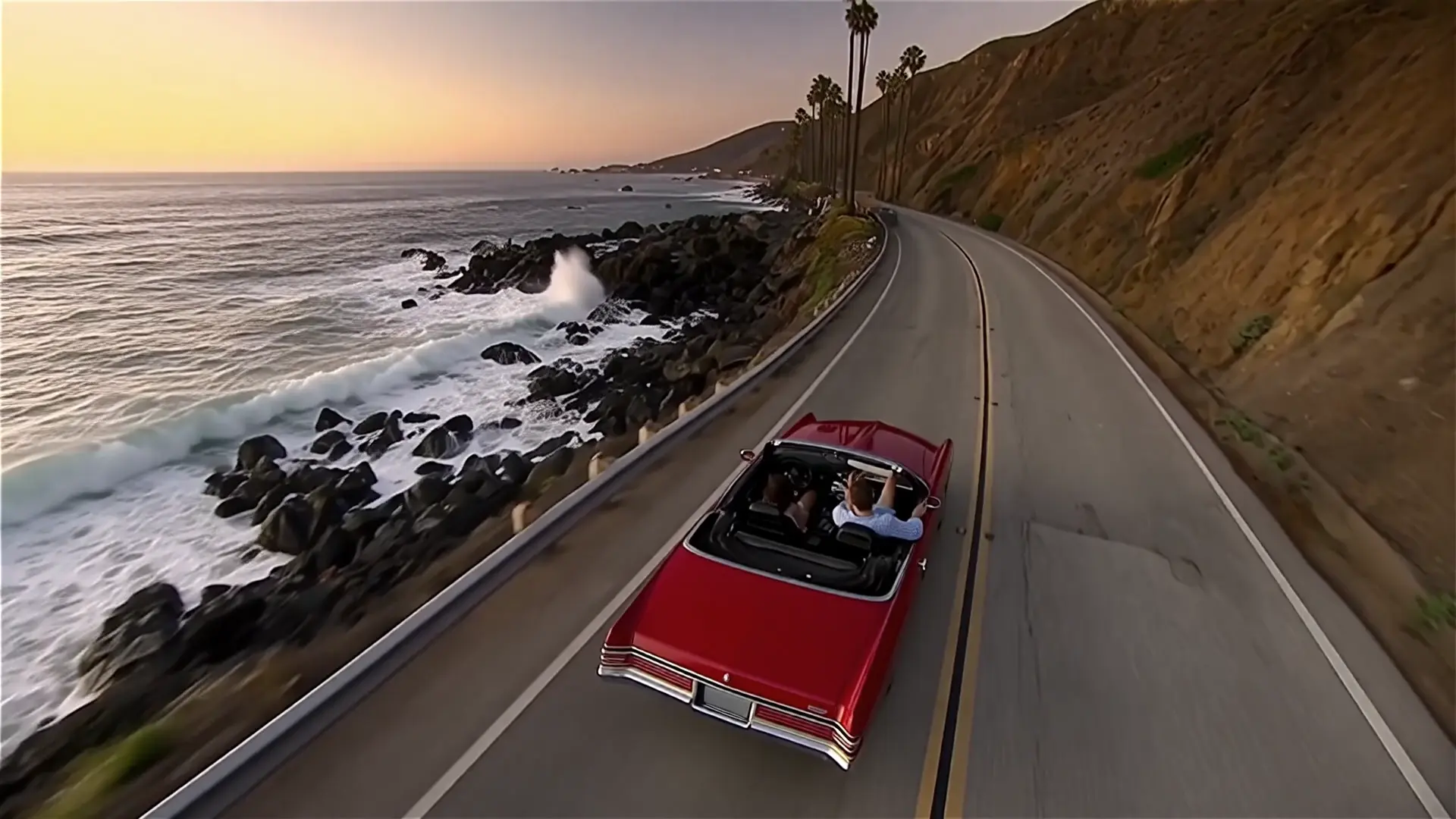
seedance-2.5/image-to-video/480p
Seedance 2.5 480p: быстрые и недорогие черновики анимации из фотографий в видео.
Wan 2.6 Text-to-Video создает клип из обязательного prompt. Вы можете указать дополнительный audio_url, выбрать точную метку aspect_ratio, выбрать duration и shot_type и управлять negative_prompt, seed, prompt_extend и audio.
| Параметр | Требуется | По умолчанию/опции | Что он контролирует |
|---|---|---|---|
prompt | Да | пример промпта | Описывает видео; должно быть менее 1500 символов. |
audio_url | Нет | — | Дополнительный звук в формате WAV или MP3, 3–30 секунд и менее 15 МБ. |
aspect_ratio | Нет | По умолчанию 1920:1080 (16:9) | Точные варианты: 1920:1080 (16:9), 1080:1920 (9:16), 1440:1440 (1:1), 1632:1248 (4:3), 1248:1632 (3:4), 1280:720 (16:9), 720:1280 (9:16), 960:960 (1:1), 1088:832 (4:3), 832:1088 (3:4). |
duration | Нет | По умолчанию 5; 5, 10 или 15 | Генерируемая длина видео в секундах. |
shot_type | Нет | По умолчанию multi; multi или single | Управляет структурой кадров и имеет приоритет над конфликтующими инструкциями в prompt. |
negative_prompt | Нет | — | Описывает элементы или качества, которых следует избегать. |
seed | Нет | 0–2147483647 | Устанавливает случайное начальное число, когда повторяемость полезна. |
prompt_extend | Нет | По умолчанию true | Включает или отключает автоматическое улучшение подсказок. |
audio | Нет | По умолчанию true | Включает или выключает генерируемый звук. |
prompt.multi структурируйте подсказку по четким кадрам или временным диапазонам. Для single сохраняйте совместимость действия с одним непрерывным кадром.audio_url; его допустимая длина шире, чем варианты длительности вывода, поэтому выберите совместимый duration.aspect_ratio, затем установите prompt_extend, audio и seed в соответствии с необходимой вам итерацией.— В схеме не указана частота кадров, выходной контейнер, гарантированные языки подсказок, языки речи или коммерческие права.
audio_url обеспечивает звук, а audio управляет генерируемым звуком; схема не описывает, как оба смешиваются при совместном использовании.Seedance 2.5 480p: быстрые и недорогие черновики анимации из фотографий в видео.

Преобразование текста в видео с открытым весом с разрешением 480p/768p и собственным стереозвуком.

Seedance 2.5 Reference to Video 1080p: кинематографические клипы 1080p с несколькими референсами

Превращайте написанные сцены в кинематографические клипы с возможностью добавления родного аудио.

Анимируйте изображение по промпту в 5- или 8-секундное видео с разрешением 480p или 720p.

Wan 3.0 Prime быстро анимирует изображение первого кадра в видео.
Он генерирует видео из обязательного prompt. Дополнительные элементы управления включают audio_url, aspect_ratio, duration, shot_type, negative_prompt, seed, prompt_extend и audio. Эта страница не принимает изображения или эталонное видео.
RunComfy управляет использованием через свою текущую кредитную систему. Проверьте панель генерации или текущую платежную документацию на предмет применимых требований к кредиту. Эта схема не определяет ценовые уровни 5B или 14B и не гарантирует бесплатные пробные кредиты.
Текущая схема не содержит результатов тестов по реалистичности, временной согласованности, скорости, синхронизации губ или качеству по сравнению с более ранними версиями Wan, Sora, Veo или другими инструментами. Он подтверждает доступные входы и элементы управления на этой странице, а не сравнительную производительность.
Он полезен для авторов, маркетологов, режиссеров, преподавателей и разработчиков продуктов, создающих короткие концептуальные клипы, рекламу, социальный контент, раскадровки и образовательные визуальные эффекты. Подсказки для нескольких кадров могут описывать несколько тактов, а single лучше подходит для одного непрерывного кадра.
duration поддерживает 5, 10 или 15 секунд. aspect_ratio предлагает десять точных вариантов, охватывающих размеры 1080 и 720: альбомную, портретную, квадратную, 4:3 и 3:4. В схеме не указана частота кадров, поэтому здесь не установлено требование о фиксированных 24 кадрах в секунду.
Страница принимает текст в формате prompt и опционально WAV или MP3 через audio_url, но в схеме не перечислены гарантированные языки подсказок, речи или текста на экране. audio — это переключатель генерации звука, а не переключатель языка.
Нет. В текущей схеме нет полей для изображения, референсного изображения, исходного видео или редактирования видео. Если генерацию должен направлять существующий визуальный материал, используйте отдельную страницу преобразования изображения или референса в видео.
Длина prompt не должна превышать 1500 символов. duration составляет 5, 10 или 15 секунд. Необязательный audio_url должен быть в формате WAV или MP3, длительностью 3–30 секунд и размером менее 15 МБ. seed находится в диапазоне от 0 до 2147483647.
Совместимость с мобильными устройствами не определяется схемой модели. Если интерфейс RunComfy доступен в поддерживаемом мобильном браузере, можно использовать те же поля, но эта страница не обещает специального мобильного рабочего процесса.
Эта схема не предоставляет универсальной коммерческой лицензии. Права на использование зависят от последних условий WAN и RunComfy, исходного аудио и других материалов в запросе. Прежде чем публиковать или монетизировать результаты, ознакомьтесь с текущими условиями.
RunComfy - ведущая ComfyUI платформа, предлагающая ComfyUI онлайн среду и услуги, а также рабочие процессы ComfyUI с потрясающей визуализацией. RunComfy также предоставляет AI Models, позволяя художникам использовать новейшие инструменты AI для создания невероятного искусства.