wan-3.0-prime/image-to-video
Wan 3.0 Prime animates a first-frame image into video fast
Start with a detailed description of the subject, environment, and action. Since there is no reference image, your text must define the visual style explicitly. Select your aspect_ratio and duration (5 or 10s) first. If generate_audio is enabled, describe the soundscape in your prompt. For English speech generation, use lowercase for general text and uppercase for acronyms or proper nouns to guide pronunciation. Use negative_prompt to filter out qualities like "blur" or "distortion".
Examples:
Pro tips:
Note: If you already have a reference image you want to animate, use the Kling 2.6 Pro Image-to-Video playground.
Wan 3.0 Prime animates a first-frame image into video fast

Create lifelike speech-synced visuals from scripts or clips with Kling Lipsync for precise facial animation and realistic results.

MiniMax H3: 768p/2K text-to-video with native stereo audio

Generate native 4K cinematic text-to-video with synchronized dialogue and consistent characters.

Create smooth V6 motion between specified opening and closing frames.
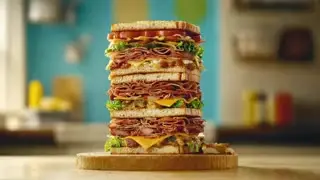
Build a scene from 1–6 images and animate it into a video.
Kling 2.6 Pro text to video is a generative AI model by Kuaishou that produces short, high-fidelity videos directly from written prompts or images. Unlike many other text-to-video tools, it integrates native audio such as dialogue, ambient sound, and sound effects for a more immersive experience.
Kling 2.6 Pro text to video includes built-in audio synthesis, enabling it to create synchronized speech, environmental sounds, and background effects. This unique feature distinguishes it from earlier text-to-video models that only produced silent clips.
Access to Kling 2.6 Pro text to video on the Runcomfy platform is based on a credit system. While new users receive free trial credits, additional generations may require purchasing more credits based on the tool’s usage policy.
Videos generated by Kling 2.6 Pro text to video can reach up to 1080p resolution, with support for multiple aspect ratios such as 16:9, 9:16, and 1:1. The AI ensures strong visual coherence and accurate lip-syncing between dialogue and visuals.
Kling 2.6 Pro text to video is ideal for marketers, educators, content creators, and social media influencers who need fast audio-visual outputs. It’s especially useful for product explainers, TikTok and Reels content, and quick storytelling tasks requiring reliable text-to-video generation.
Kling 2.6 Pro text to video supports both text and image prompts, allowing users to create custom short videos. The tool’s AI engine interprets prompts to generate relevant visuals and synchronized sound, streamlining the text-to-video workflow.
Compared to 2.5, Kling 2.6 Pro text to video adds real-time audio integration—including dialogue and effects—offers smoother emotion expression, and enhances alignment between visuals and sound, providing a richer text-to-video experience.
While Kling 2.6 Pro text to video delivers impressive short clips, current versions limit duration to about 5 or 10 seconds per video. Also, access currently depends on available platform credits, and precise control over complex narratives may be limited.
Users can access Kling 2.6 Pro text to video directly through the Runcomfy website, which performs well on mobile browsers. After logging in, users can manage credits and generate text-to-video content from any device with internet access.
RunComfy is the premier ComfyUI platform, offering ComfyUI online environment and services, along with ComfyUI workflows featuring stunning visuals. RunComfy also provides AI Models, enabling artists to harness the latest AI tools to create incredible art.