
𝙆 Mask Blur +:
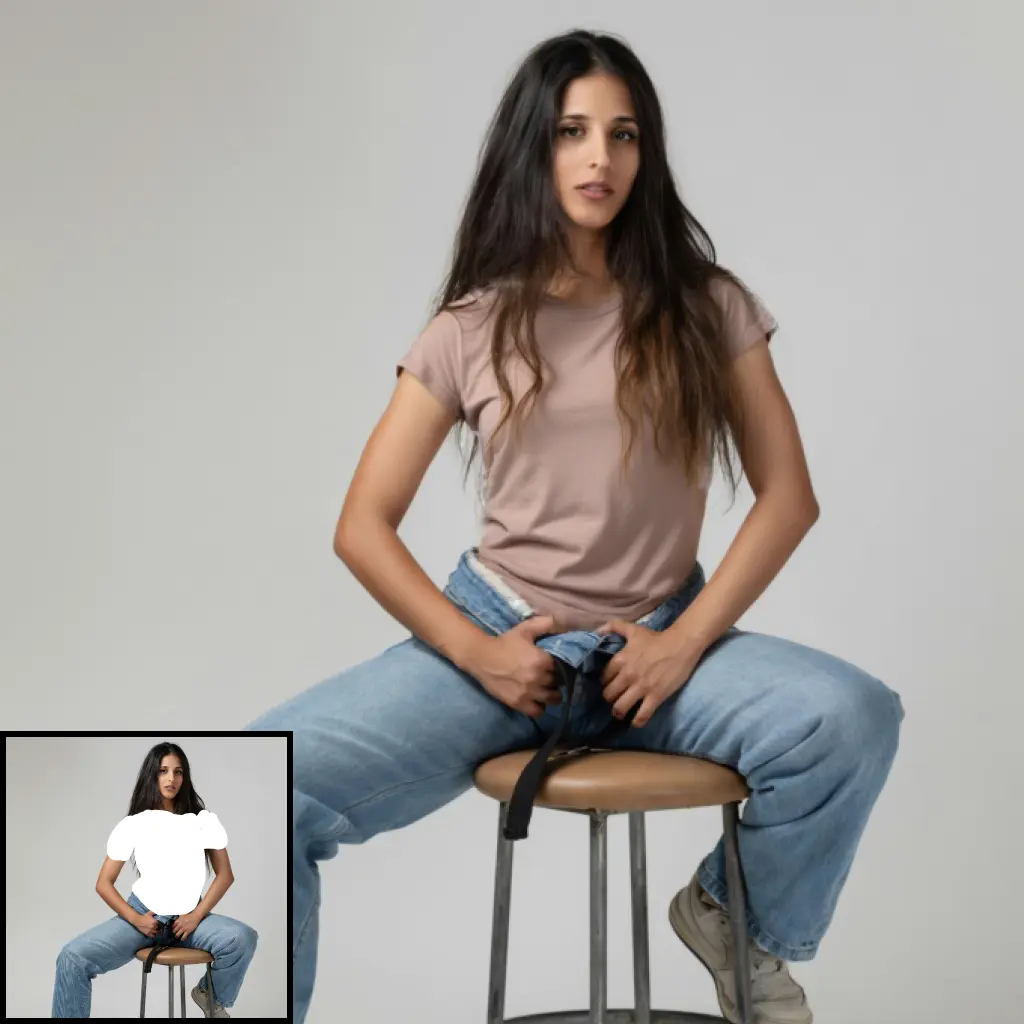
The Mask_Blur_Plus node is designed to enhance and manipulate mask images by applying blurring and expansion techniques. This node is particularly useful for AI artists who need to refine mask edges or adjust mask coverage in their digital artwork. By allowing you to invert the mask, expand or contract its boundaries, and apply a customizable blur, this node provides a versatile toolset for mask manipulation. The primary goal of Mask_Blur_Plus is to offer a flexible and efficient way to modify masks, ensuring that they meet the specific artistic requirements of your project. Whether you need to soften the edges of a mask or adjust its size, this node provides the necessary functionality to achieve your desired results.
𝙆 Mask Blur + Input Parameters:
invert_mask
This parameter determines whether the mask should be inverted. When set to True, the mask's values are flipped, turning areas that were previously masked into unmasked areas and vice versa. This can be useful when you need to quickly reverse the mask's effect without manually altering the mask data. The default value is False.
mask
The mask parameter is the input mask image that you want to manipulate. It is a tensor that represents the areas of interest in your image, where the mask's values typically range from 0 to 1. This parameter is crucial as it serves as the base for all subsequent operations performed by the node.
blur
This parameter specifies the intensity of the blur effect applied to the mask. The blur value must be an odd integer, as even values are automatically incremented by one to ensure proper kernel size for the Gaussian blur operation. A higher blur value results in a more pronounced smoothing effect, which can help in softening the edges of the mask. The default value is 0, meaning no blur is applied.
expand
The expand parameter controls the expansion or contraction of the mask's boundaries. A positive value will expand the mask, increasing its coverage area, while a negative value will contract it, reducing its size. The expansion is calculated in pixels, with the value being multiplied by 10 to determine the number of pixels to expand or contract. This parameter allows for precise control over the mask's size, enabling you to fine-tune its application in your artwork. The default value is 0.0.
𝙆 Mask Blur + Output Parameters:
mask
The output mask is the modified version of the input mask after applying the specified operations such as inversion, expansion, and blurring. This output is crucial as it represents the final mask that can be used in subsequent processing steps or directly in your artwork. The modifications made to the mask can significantly impact the visual outcome, making this output an essential component of the node's functionality.
𝙆 Mask Blur + Usage Tips:
- To achieve a soft transition between masked and unmasked areas, increase the
blurparameter to apply a stronger blur effect, which will smooth out the edges of the mask. - Use the
expandparameter to adjust the mask's coverage area. Positive values will increase the mask's size, which can be useful for covering larger areas, while negative values will shrink the mask, allowing for more precise masking. - If you need to quickly reverse the mask's effect, toggle the
invert_maskparameter to invert the mask without manually editing the mask data.
𝙆 Mask Blur + Common Errors and Solutions:
Mask dimension mismatch
- Explanation: This error occurs when the input mask does not have the expected dimensions, typically when it is not a 2D tensor.
- Solution: Ensure that the input mask is a 2D tensor. If it is not, you may need to reshape or adjust the mask data before passing it to the node.
Invalid blur value
- Explanation: The blur value must be an odd integer. If an even number is provided, it will be automatically adjusted, but this may lead to unexpected results.
- Solution: Always provide an odd integer for the
blurparameter to ensure the Gaussian blur is applied correctly.
Device mismatch error
- Explanation: This error can occur if the mask is not transferred to the correct device for processing.
- Solution: Ensure that the mask is moved to the appropriate device using the
to(device)method before processing. This is typically handled within the node, but verify if any manual adjustments are needed.