



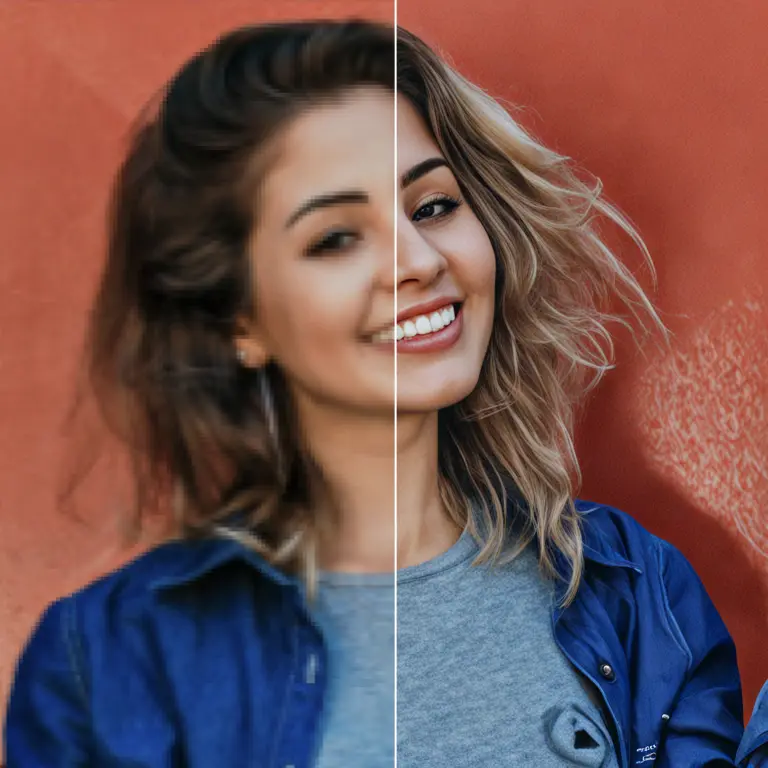
ComfyUI Node: SeedVR2 Tiling Upscaler
SeedVR2TilingUpscaler
Categoryimage/upscaling
moonwhaler (Account age: 4963days) Extension
SeedVR2 Tiling Upscaler Latest Updated
2025-12-06 Github Stars
0.15K
How to Install SeedVR2 Tiling Upscaler
Install this extension via the ComfyUI Manager by searching for SeedVR2 Tiling Upscaler- 1. Click the Manager button in the main menu
- 2. Select Custom Nodes Manager button
- 3. Enter SeedVR2 Tiling Upscaler in the search bar
Visit ComfyUI Online for ready-to-use ComfyUI environment
- Free trial available
- 16GB VRAM to 80GB VRAM GPU machines
- 400+ preloaded models/nodes
- Freedom to upload custom models/nodes
- 200+ ready-to-run workflows
- 100% private workspace with up to 200GB storage
- Dedicated Support
SeedVR2 Tiling Upscaler Description
Specialized node for ComfyUI, upscales images using memory-efficient tiling approach with SeedVR2 model for high-quality results.
SeedVR2 Tiling Upscaler:
The SeedVR2TilingUpscaler is a specialized node designed for the ComfyUI platform, aimed at enhancing image resolution through a memory-efficient tiling approach. This node leverages the SeedVR2 model to upscale images by dividing them into smaller, manageable tiles, which are then individually processed and seamlessly stitched back together. This method not only optimizes memory usage but also ensures high-quality upscaling results, making it particularly beneficial for users working with limited hardware resources. The node's primary goal is to provide a robust solution for AI artists seeking to improve image clarity and detail without compromising on performance or requiring extensive technical knowledge.
SeedVR2 Tiling Upscaler Input Parameters:
image
This parameter represents the input image that you wish to upscale. It is crucial as it serves as the base for the entire upscaling process. The quality and resolution of the input image can significantly impact the final output.
model
The model parameter specifies the AI model used for the upscaling process. Different models may offer varying levels of detail and processing speed, so selecting the appropriate model can influence the quality and efficiency of the upscaling.
seed
The seed parameter is used to initialize the random number generator, ensuring that the upscaling process can be reproduced with the same results. This is particularly useful for achieving consistent outputs across multiple runs.
new_resolution
This parameter defines the target resolution for the upscaled image. It determines the final size of the output image, with higher resolutions providing more detail but requiring more processing power.
preserve_vram
A boolean parameter that, when enabled, optimizes the process to use less VRAM, making it suitable for systems with limited graphical memory. This can help prevent crashes or slowdowns during the upscaling process.
tile_width
This parameter sets the width of each tile used in the upscaling process. Smaller tiles can reduce memory usage but may increase processing time due to the higher number of tiles.
tile_height
Similar to tile_width, this parameter defines the height of each tile. The choice of tile dimensions can affect both the performance and the quality of the final image.
mask_blur
This parameter controls the amount of blur applied to the edges of tiles to ensure seamless blending. Proper configuration can prevent visible seams in the final image.
tile_padding
Tile padding adds extra pixels around each tile to prevent edge artifacts during processing. The amount of padding can influence the smoothness of the transitions between tiles.
tile_upscale_resolution
This parameter specifies the resolution to which each tile is upscaled before being stitched together. It affects the detail level of individual tiles and the overall image quality.
tiling_strategy
The tiling strategy determines how tiles are generated and processed. Different strategies can optimize for speed, quality, or memory usage, depending on your specific needs.
anti_aliasing_strength
This parameter adjusts the strength of anti-aliasing applied during the upscaling process. Anti-aliasing helps to smooth out jagged edges, improving the visual quality of the image.
block_swap_config
An optional parameter that allows for advanced configuration of the block swapping process, which can further optimize memory usage and processing efficiency.
SeedVR2 Tiling Upscaler Output Parameters:
upscaled_image
The primary output of the node is the upscaled image, which is returned as a tensor. This image will have enhanced resolution and detail, reflecting the improvements made by the SeedVR2 model and the tiling process.
SeedVR2 Tiling Upscaler Usage Tips:
- Experiment with different tile sizes to find the optimal balance between memory usage and processing time for your system.
- Use the preserve_vram option if you encounter memory-related issues, especially on systems with limited VRAM.
- Adjust the anti_aliasing_strength to improve the smoothness of edges in the final image, particularly if you notice jagged lines.
SeedVR2 Tiling Upscaler Common Errors and Solutions:
"Out of Memory Error"
- Explanation: This error occurs when the system runs out of VRAM during the upscaling process.
- Solution: Enable the preserve_vram option or reduce the tile size to decrease memory usage.
"Inconsistent Output with Same Seed"
- Explanation: The output may vary despite using the same seed if other parameters are changed.
- Solution: Ensure all parameters, including model and resolution, are consistent across runs to achieve reproducible results.
"Visible Seams in Final Image"
- Explanation: Seams may appear if tiles are not blended properly.
- Solution: Increase the mask_blur or tile_padding to improve the blending of tiles.
SeedVR2 Tiling Upscaler Related Nodes
RunComfy is the premier ComfyUI platform, offering ComfyUI online environment and services, along with ComfyUI workflows featuring stunning visuals. RunComfy also provides AI Models, enabling artists to harness the latest AI tools to create incredible art.