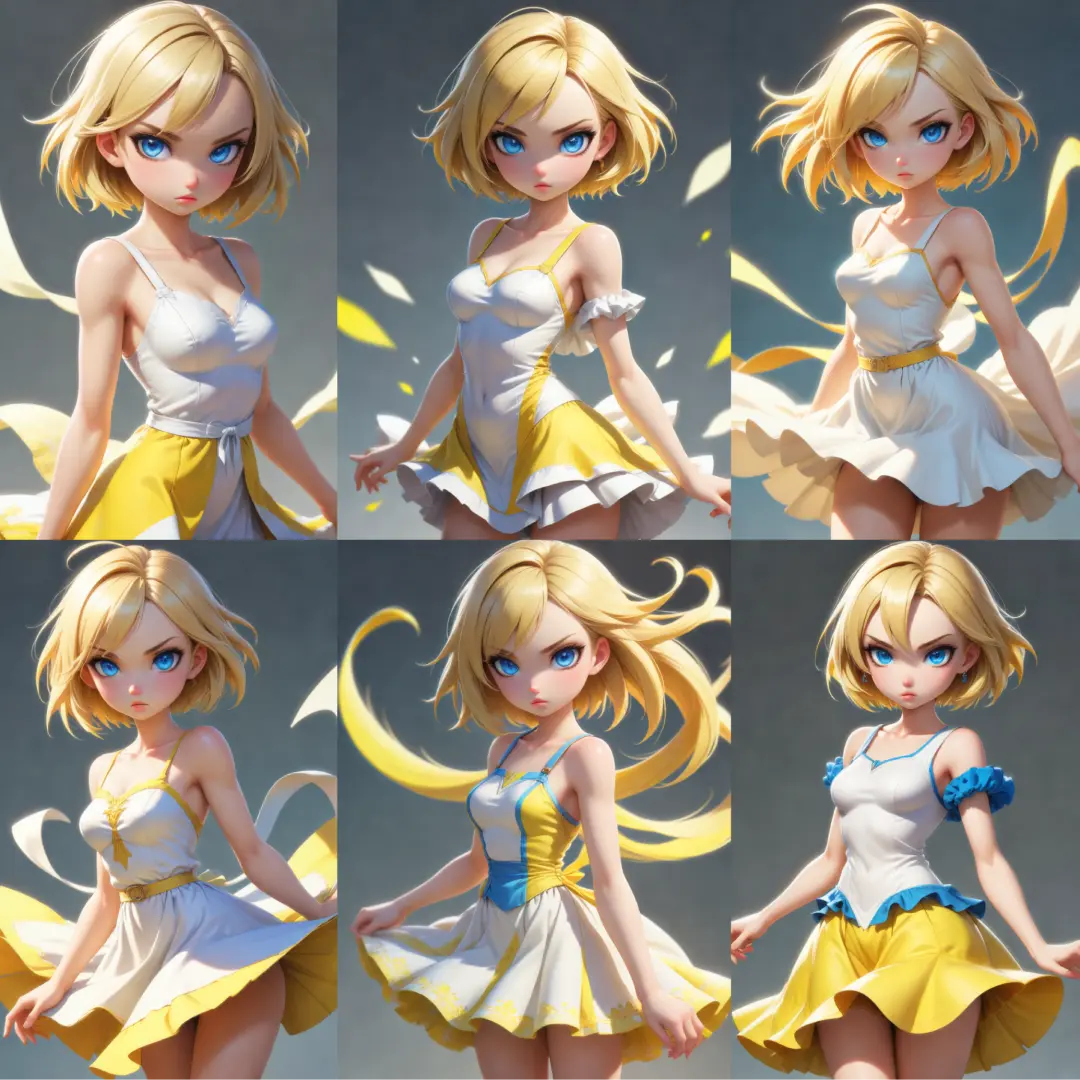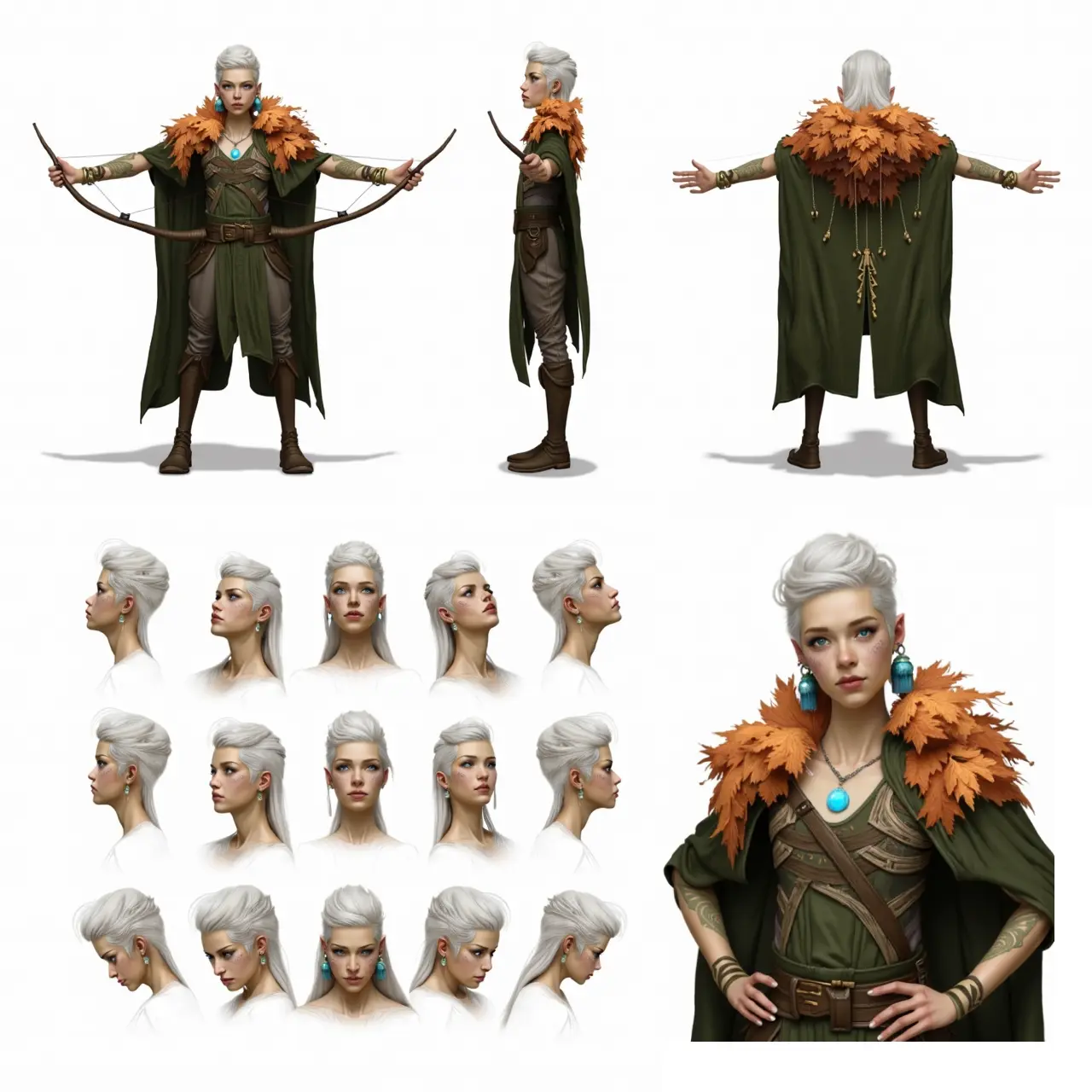

🎨 Latent Color Match (Simple):
LatentColorMatchSimple is a node designed to facilitate basic color matching between latent representations in AI-generated art. This node is particularly useful when you need to harmonize the color palette of a generated image with a reference image, ensuring a cohesive visual output. It employs straightforward statistical methods, such as mean and standard deviation adjustments, to achieve color matching without relying on external dependencies. This makes it a reliable fallback option when more advanced color-matching libraries are unavailable. The primary goal of LatentColorMatchSimple is to provide a simple yet effective means of aligning the color characteristics of your latent images, enhancing the aesthetic quality of your AI art projects.
🎨 Latent Color Match (Simple) Input Parameters:
latent
The latent parameter represents the latent representation of the image you wish to color match. It serves as the primary input for the color matching process, where the node will adjust its color characteristics to align with the reference image. This parameter is crucial as it determines the base image that will undergo color transformation.
reference
The reference parameter is the latent representation of the image whose color characteristics you want to emulate. By providing a reference image, you guide the node in adjusting the colors of the latent input to match the desired aesthetic. This parameter is essential for achieving the intended color harmony between images.
method
The method parameter allows you to choose the statistical approach for color matching. Options include mean_std and channel_wise, with mean_std being the default. The mean_std method adjusts the mean and standard deviation of the colors, while channel_wise applies adjustments on a per-channel basis. Selecting the appropriate method can influence the subtlety and accuracy of the color matching.
strength
The strength parameter controls the intensity of the color matching effect. It is a floating-point value ranging from 0.0 to 2.0, with a default of 1.0. A lower value results in a more subtle color adjustment, while a higher value intensifies the effect. Adjusting this parameter allows you to fine-tune the balance between the original and reference colors.
device
The device parameter specifies the computational device to be used for processing. Options include auto, cpu, and gpu. Selecting auto allows the node to automatically choose the most suitable device based on availability, while cpu and gpu force the computation to occur on the specified hardware. This parameter is important for optimizing performance and ensuring compatibility with your system's resources.
🎨 Latent Color Match (Simple) Output Parameters:
LATENT
The output parameter LATENT represents the color-matched latent representation of the input image. This output retains the structural characteristics of the original latent input while adopting the color palette of the reference image. The resulting latent can be used in subsequent processing steps or directly converted to an image, providing a visually cohesive result that aligns with the desired aesthetic.
🎨 Latent Color Match (Simple) Usage Tips:
- Experiment with the
strengthparameter to achieve the desired balance between the original and reference colors. A value closer to 0.0 will maintain more of the original colors, while a value closer to 2.0 will heavily favor the reference colors. - Choose the
methodparameter based on the complexity of the color adjustments needed. For subtle changes,mean_stdis often sufficient, whilechannel_wisecan provide more detailed control over individual color channels.
🎨 Latent Color Match (Simple) Common Errors and Solutions:
🎨 Latent Color Match (Simple) error: <error_message>
- Explanation: This error occurs when there is an issue during the execution of the color matching process, possibly due to incompatible input shapes or unsupported methods.
- Solution: Ensure that the latent and reference inputs have compatible shapes and that the selected method is supported. Double-check the input parameters and try using default settings to identify the source of the error.