HiDream O1 Sampler:
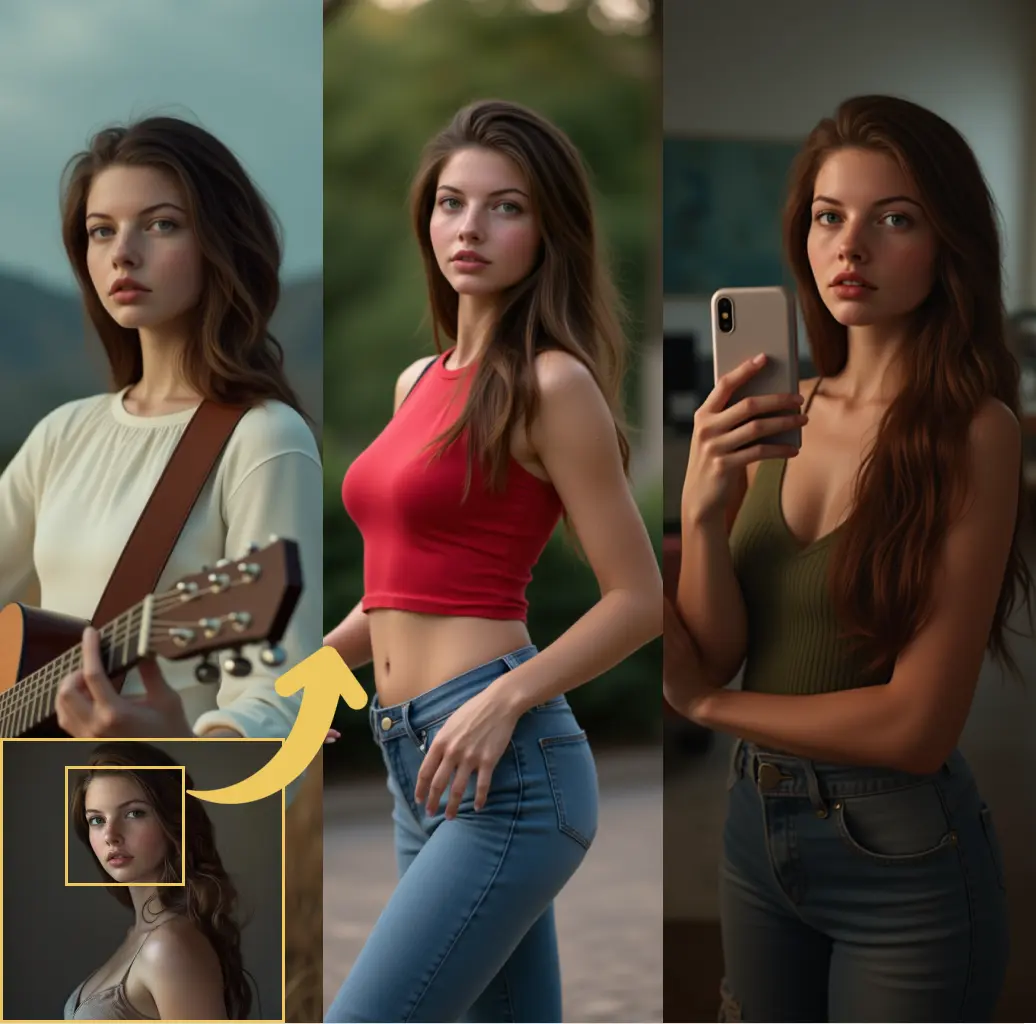
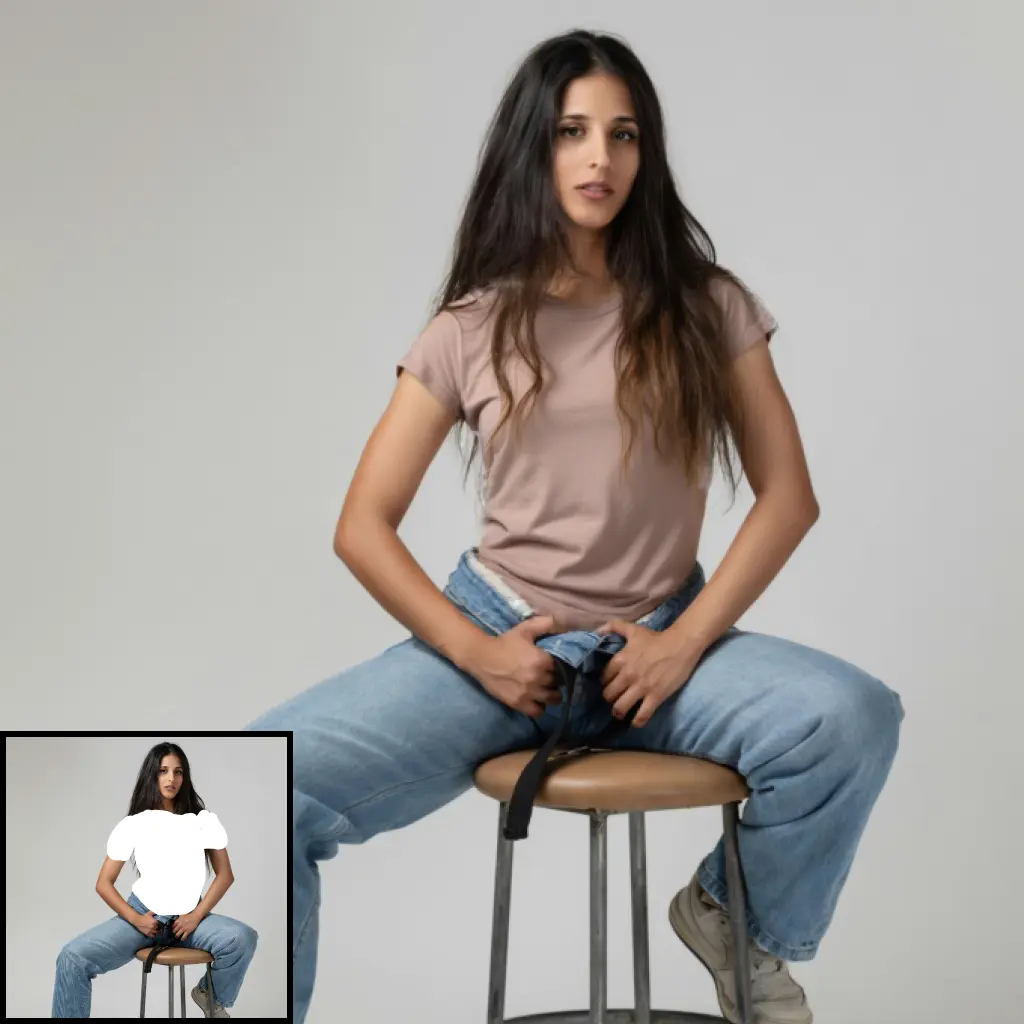
The HiDreamO1Sampler is a specialized node designed to facilitate the generation of images by leveraging a sampling process. This node is part of the HiDream O1 category and is tailored to work with a set of reference images to produce new visual outputs. Its primary function is to take a specified number of input images and apply a sampling algorithm to generate a new image, which can be used for various creative and artistic purposes. The node is particularly beneficial for AI artists looking to explore new visual styles or generate unique compositions by utilizing existing images as a reference. By integrating seamlessly into the ComfyUI framework, the HiDreamO1Sampler provides a user-friendly interface for artists to experiment with image generation without needing deep technical knowledge.
HiDream O1 Sampler Input Parameters:
num_images
The num_images parameter specifies the number of reference images that the sampler will use to generate the output image. This parameter is crucial as it determines how many images will be considered during the sampling process, directly impacting the diversity and style of the generated image. The minimum value for this parameter is 0, meaning no reference images are used, while the maximum value is determined by the system's MAX_IMAGE_INPUTS setting. The default value is 0, which implies that the node will not use any reference images unless specified otherwise. Adjusting this parameter allows you to control the influence of reference images on the final output.
image_1, image_2, ..., image_n
These are optional parameters where each image_i represents a reference image input. You can provide multiple images, up to the maximum allowed by the system, to guide the sampling process. Each image serves as a visual reference that the sampler can draw upon to create the final output. The inclusion of these images can significantly affect the style and content of the generated image, allowing for a wide range of creative possibilities.
unique_id
The unique_id is a hidden parameter used internally to uniquely identify the sampling process. It ensures that each sampling operation can be tracked and managed separately, which is particularly useful in environments where multiple sampling operations might be running concurrently. This parameter is automatically handled by the system and does not require user input.
HiDream O1 Sampler Output Parameters:
image
The image output parameter represents the final image generated by the HiDreamO1Sampler. This image is the result of the sampling process, which takes into account the provided reference images and any other specified parameters. The generated image can be used for various artistic and creative applications, serving as a new piece of visual art or as a component in larger projects. The quality and characteristics of this output image are influenced by the input parameters, particularly the number and type of reference images used.
HiDream O1 Sampler Usage Tips:
- Experiment with different numbers of reference images to see how it affects the style and content of the generated image. More reference images can lead to more complex and varied outputs.
- Use high-quality reference images to ensure that the generated image maintains a high level of detail and visual appeal.
- Adjust the
num_imagesparameter to control the influence of reference images on the final output, allowing for a balance between originality and reference-based generation.
HiDream O1 Sampler Common Errors and Solutions:
Error: "Invalid number of images"
- Explanation: This error occurs when the
num_imagesparameter is set to a value that exceeds the system'sMAX_IMAGE_INPUTSlimit. - Solution: Ensure that the
num_imagesparameter is within the allowed range, and adjust it to a value that does not exceed the maximum limit.
Error: "Missing reference images"
- Explanation: This error is triggered when the
num_imagesparameter is greater than zero, but no reference images are provided. - Solution: Provide the required number of reference images corresponding to the
num_imagesparameter to avoid this error.