Tiling Info:
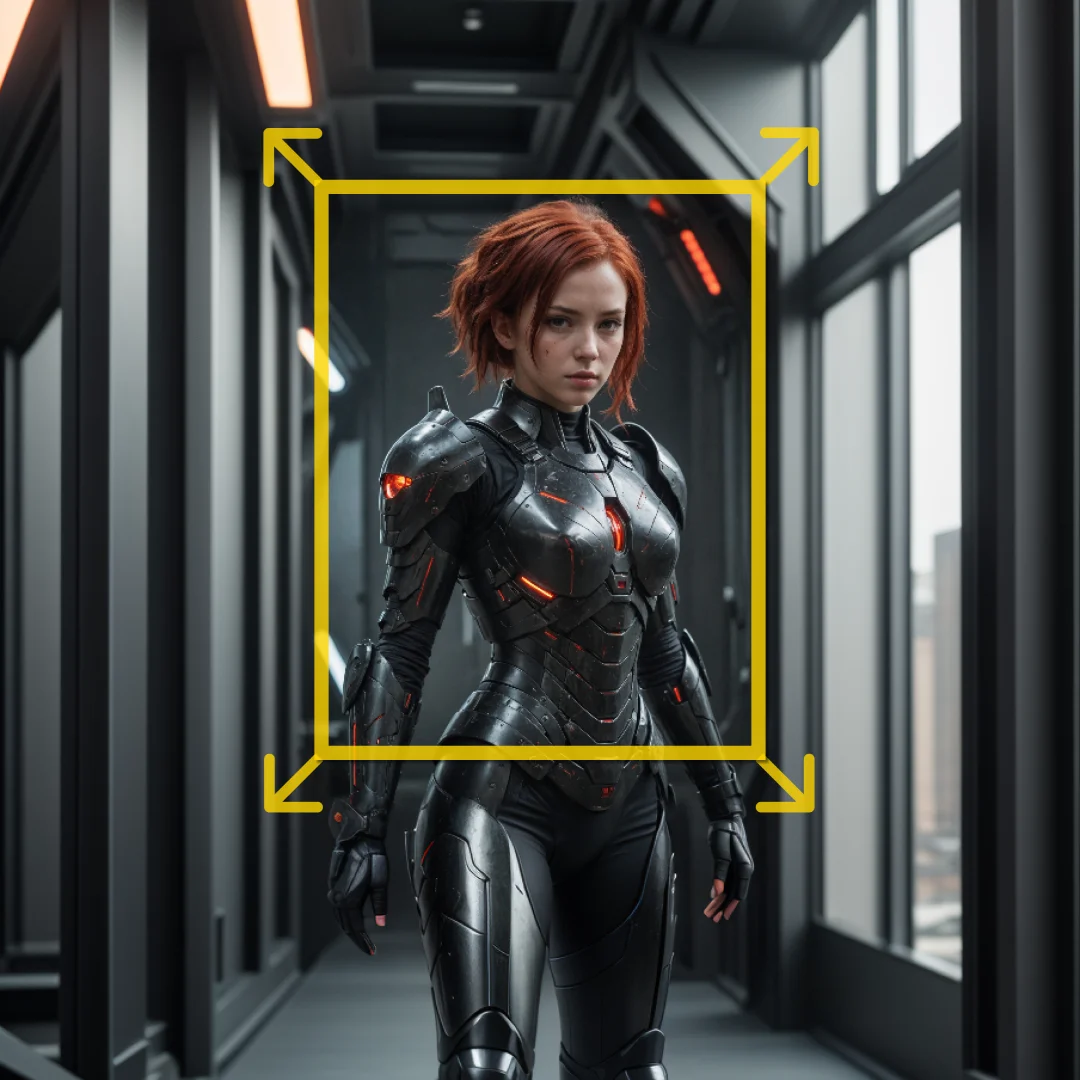
The Sage_TilingInfo node is designed to enhance the functionality of the KSampler by incorporating tiling information, which is crucial for efficient processing of large images or video frames. This node is particularly beneficial when dealing with high-resolution content, as it allows for the division of the image or video into smaller, more manageable tiles. By doing so, it optimizes memory usage and processing time, making it easier to handle complex tasks without overwhelming system resources. The node's primary goal is to facilitate seamless integration of tiling parameters into the sampling process, ensuring that the output maintains high quality while being computationally efficient.
Tiling Info Input Parameters:
tile_size
The tile_size parameter determines the dimensions of each tile used in the tiling process. It defines the width and height of the tiles in pixels, allowing you to control the granularity of the tiling. A larger tile size may reduce the number of tiles needed but could increase memory usage, while a smaller tile size can help manage memory better but may require more processing time. The minimum value is 64, the maximum is 4096, and the default is 512.
overlap
The overlap parameter specifies the number of pixels that adjacent tiles will overlap. This overlap is crucial for ensuring smooth transitions between tiles, preventing visible seams in the final output. Adjusting the overlap can help maintain continuity and quality in the tiled image or video. The minimum value is 0, the maximum is 4096, and the default is 64.
temporal_size
The temporal_size parameter is used specifically for video VAEs (Variational Autoencoders) and defines the number of frames to decode at a time. This parameter helps manage the temporal aspect of video processing, allowing for efficient handling of video data by processing a set number of frames simultaneously. The minimum value is 8, the maximum is 4096, and the default is 64.
temporal_overlap
The temporal_overlap parameter, also specific to video VAEs, determines the number of frames that will overlap between consecutive temporal segments. This overlap ensures smooth transitions and continuity in the video output, similar to the spatial overlap in image tiling. The minimum value is 4, the maximum is 4096, and the default is 8.
Tiling Info Output Parameters:
tiling_info
The tiling_info output provides a comprehensive set of tiling parameters that have been configured through the input settings. This output is essential for the KSampler to understand how to process the image or video data in a tiled manner. It includes details such as tile size, overlap, and temporal parameters, all encapsulated in a dictionary format. This information is crucial for ensuring that the sampling process is optimized for both quality and performance.
Tiling Info Usage Tips:
- Adjust the
tile_sizeaccording to the resolution of your input data; larger images may benefit from larger tile sizes to reduce processing time. - Use the
overlapparameter to fine-tune the transitions between tiles, especially if you notice seams or artifacts in the output. - For video processing, set the
temporal_sizeto a value that balances memory usage and processing speed, depending on your system's capabilities. - Experiment with
temporal_overlapto achieve smooth transitions in video outputs, particularly when dealing with fast-moving scenes.
Tiling Info Common Errors and Solutions:
Invalid tile size
- Explanation: The
tile_sizevalue is outside the allowed range. - Solution: Ensure that the
tile_sizeis set between 64 and 4096.
Overlap exceeds tile size
- Explanation: The
overlapvalue is greater than thetile_size, causing processing issues. - Solution: Adjust the
overlapto be less than or equal to thetile_size.
Temporal size too large
- Explanation: The
temporal_sizeexceeds the maximum allowed value or available memory. - Solution: Reduce the
temporal_sizeto a value within the range of 8 to 4096, considering your system's memory capacity.
Temporal overlap too large
- Explanation: The
temporal_overlapis set higher than thetemporal_size, leading to errors in video processing. - Solution: Ensure that the
temporal_overlapis less than or equal to thetemporal_size.