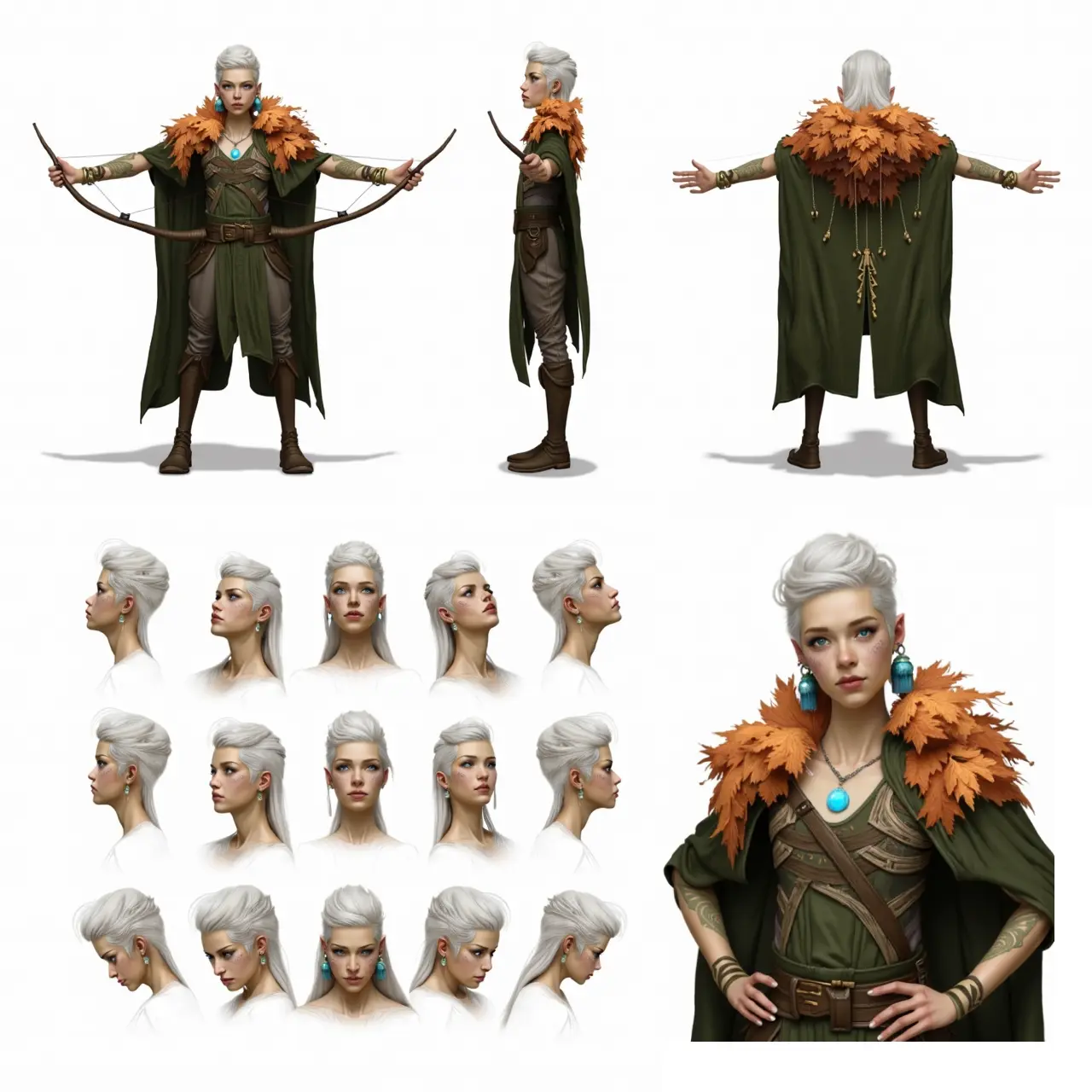
Tripo: Texture model:
The TripoTextureNode is designed to enhance 3D models by applying textures, making it an essential tool for artists looking to add realism and detail to their creations. This node focuses on generating textures for 3D models, allowing you to specify various parameters to control the quality and alignment of the textures. By leveraging this node, you can achieve high-quality textures that align perfectly with the model's geometry or the original image, depending on your preference. The node is particularly beneficial for those working in 3D modeling and rendering, as it simplifies the process of texture application, ensuring that the final output is both visually appealing and technically sound.
Tripo: Texture model Input Parameters:
model_task_id
This parameter is a custom input that identifies the specific task or model you are working with. It is crucial for ensuring that the textures are applied to the correct model, acting as a unique identifier within the workflow.
texture
This boolean parameter determines whether textures should be applied to the model. By default, it is set to True, meaning textures will be applied unless specified otherwise. This parameter is optional, allowing flexibility in cases where textures are not needed.
pbr
The pbr parameter is a boolean that stands for Physically Based Rendering. When set to True (the default), it ensures that the textures are rendered using PBR techniques, which provide more realistic lighting and material effects. This parameter is optional and can be adjusted based on the desired rendering style.
texture_seed
This integer parameter is used to seed the random number generator for texture creation, ensuring consistency across different runs. The default value is 42, and it is optional and advanced, allowing you to experiment with different seeds to achieve varied texture results.
texture_quality
This combo parameter allows you to select the quality of the texture, with options including standard and detailed. The default is standard, but you can choose detailed for higher quality textures. This parameter is optional and advanced, providing control over the balance between quality and performance.
texture_alignment
The texture_alignment parameter is a combo input that determines how the texture aligns with the model. Options include original_image and geometry, with the default being original_image. This parameter is optional and advanced, allowing you to choose the alignment method that best suits your project needs.
Tripo: Texture model Output Parameters:
model_file
This output provides the model file as a string, primarily for backward compatibility. It ensures that older systems or workflows that rely on string-based model files can still function correctly with the updated node.
model task_id
The model task_id output is a custom identifier that corresponds to the input model_task_id. It confirms the successful processing of the task and helps track the model's progress through the workflow.
GLB
The GLB output is a 3D file format that contains the textured model. This output is crucial for viewing and using the model in various 3D applications, as it encapsulates both the geometry and the applied textures in a single, efficient file.
Tripo: Texture model Usage Tips:
- To achieve the best visual results, consider using the
detailedoption fortexture_qualitywhen working on projects that require high-resolution textures. - Experiment with different
texture_seedvalues to generate unique texture variations, which can add diversity to your models. - Use the
texture_alignmentparameter to ensure that textures align correctly with your model's geometry, especially when working with complex shapes.
Tripo: Texture model Common Errors and Solutions:
Invalid model_task_id
- Explanation: This error occurs when the
model_task_idprovided does not match any existing tasks or models in the system. - Solution: Double-check the
model_task_idto ensure it is correct and corresponds to an active task or model.
Texture application failed
- Explanation: This error indicates that the node was unable to apply textures to the model, possibly due to incompatible settings or missing data.
- Solution: Verify that all required parameters are set correctly and that the model is compatible with the texture settings chosen. Adjust parameters like
textureandpbrto ensure they align with the model's requirements.