



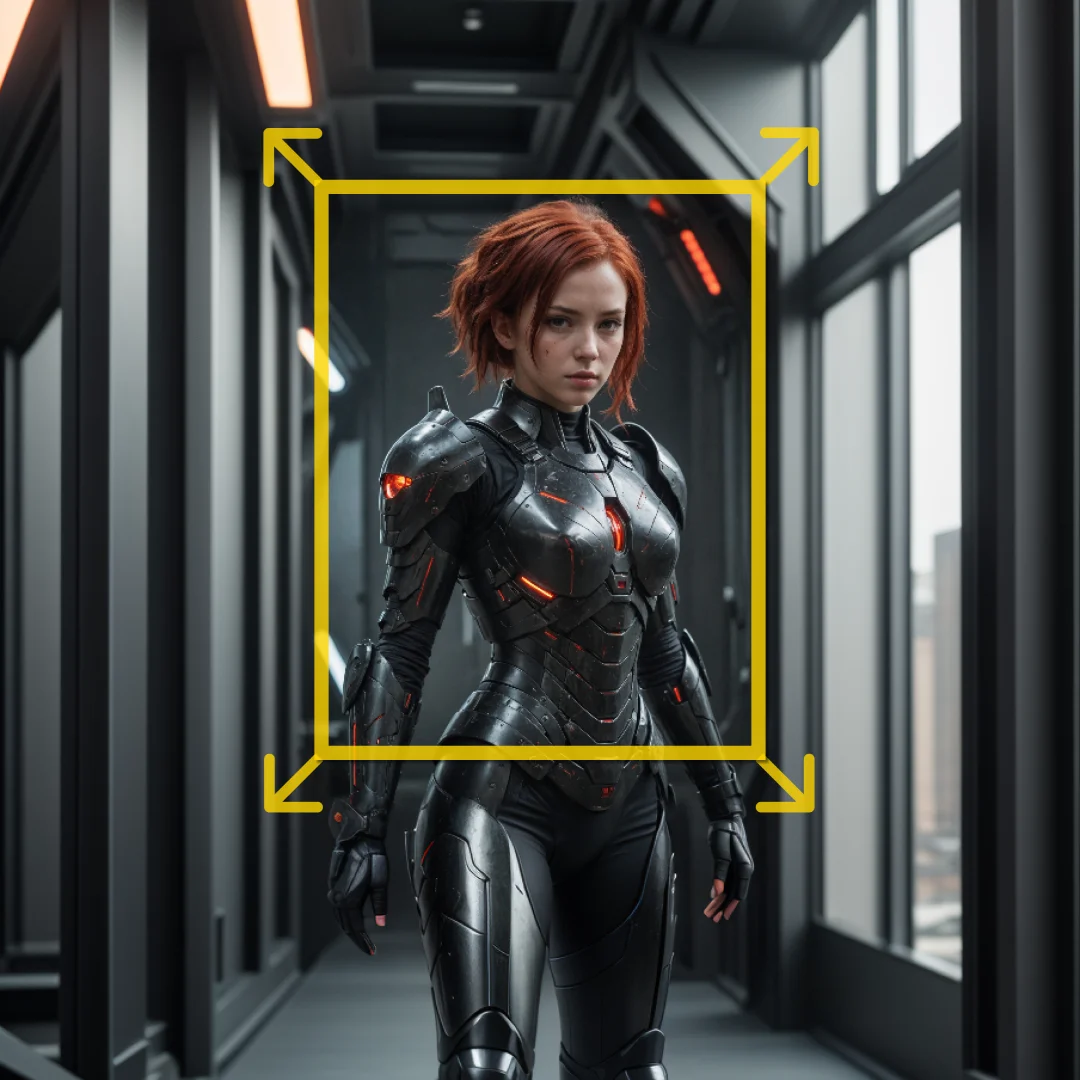
Split Image into List of Tiles:
The SplitImageToTileList node is designed to efficiently divide a large image into smaller, manageable tiles, which can be particularly useful for processing high-resolution images that exceed the capabilities of your hardware or software. This node allows you to specify the dimensions of each tile and the degree of overlap between them, ensuring seamless transitions and continuity when the tiles are later reassembled. By breaking down an image into tiles, you can apply various image processing techniques to each tile individually, which can enhance performance and enable more detailed manipulation. This approach is beneficial for tasks such as texture mapping, image analysis, and any scenario where working with smaller image sections is advantageous.
Split Image into List of Tiles Input Parameters:
image
This parameter represents the input image that you wish to split into tiles. It should be provided as a tensor, typically in the format of [batch, height, width, channels]. The image serves as the source material from which the tiles will be extracted.
tile_width
This parameter specifies the width of each tile in pixels. It determines how wide each section of the image will be when split. The default value is 1024 pixels, with a minimum of 64 pixels and a maximum defined by the system's maximum resolution capability. Adjusting this value affects the number of tiles generated horizontally.
tile_height
This parameter defines the height of each tile in pixels. Similar to tile_width, it dictates how tall each section of the image will be. The default is set to 1024 pixels, with a minimum of 64 pixels and a maximum constrained by the system's maximum resolution. Modifying this value influences the number of tiles generated vertically.
overlap
This parameter controls the amount of overlap between adjacent tiles, measured in pixels. The overlap ensures that there are no visible seams when the tiles are recombined. The default overlap is 128 pixels, with a minimum of 0 pixels and a maximum of 4096 pixels. Increasing the overlap can help in achieving smoother transitions between tiles, especially when post-processing effects are applied.
Split Image into List of Tiles Output Parameters:
image_list
This output is a list of image tiles, each represented as a tensor. The tiles are extracted from the original image based on the specified width, height, and overlap parameters. This list allows you to process each tile individually, facilitating detailed image manipulation and analysis.
Split Image into List of Tiles Usage Tips:
- To ensure seamless recombination of tiles, consider using an overlap that is large enough to cover any potential artifacts that might occur at the edges of the tiles.
- When working with very large images, adjust the
tile_widthandtile_heightto smaller values to prevent memory overload and improve processing speed. - Use the overlap parameter strategically to maintain continuity in textures or patterns that span multiple tiles.
Split Image into List of Tiles Common Errors and Solutions:
"Expected torch.Tensor, got <type>"
- Explanation: This error occurs when the input image is not provided as a tensor, which is the expected format for processing.
- Solution: Ensure that the input image is converted to a tensor format before passing it to the node. You can use libraries like PyTorch to convert images to tensors.
"Tile dimensions exceed image dimensions"
- Explanation: This error arises when the specified tile width or height is larger than the dimensions of the input image.
- Solution: Adjust the
tile_widthandtile_heightparameters to values that are smaller than or equal to the dimensions of the input image.