Quiver Image to SVG:
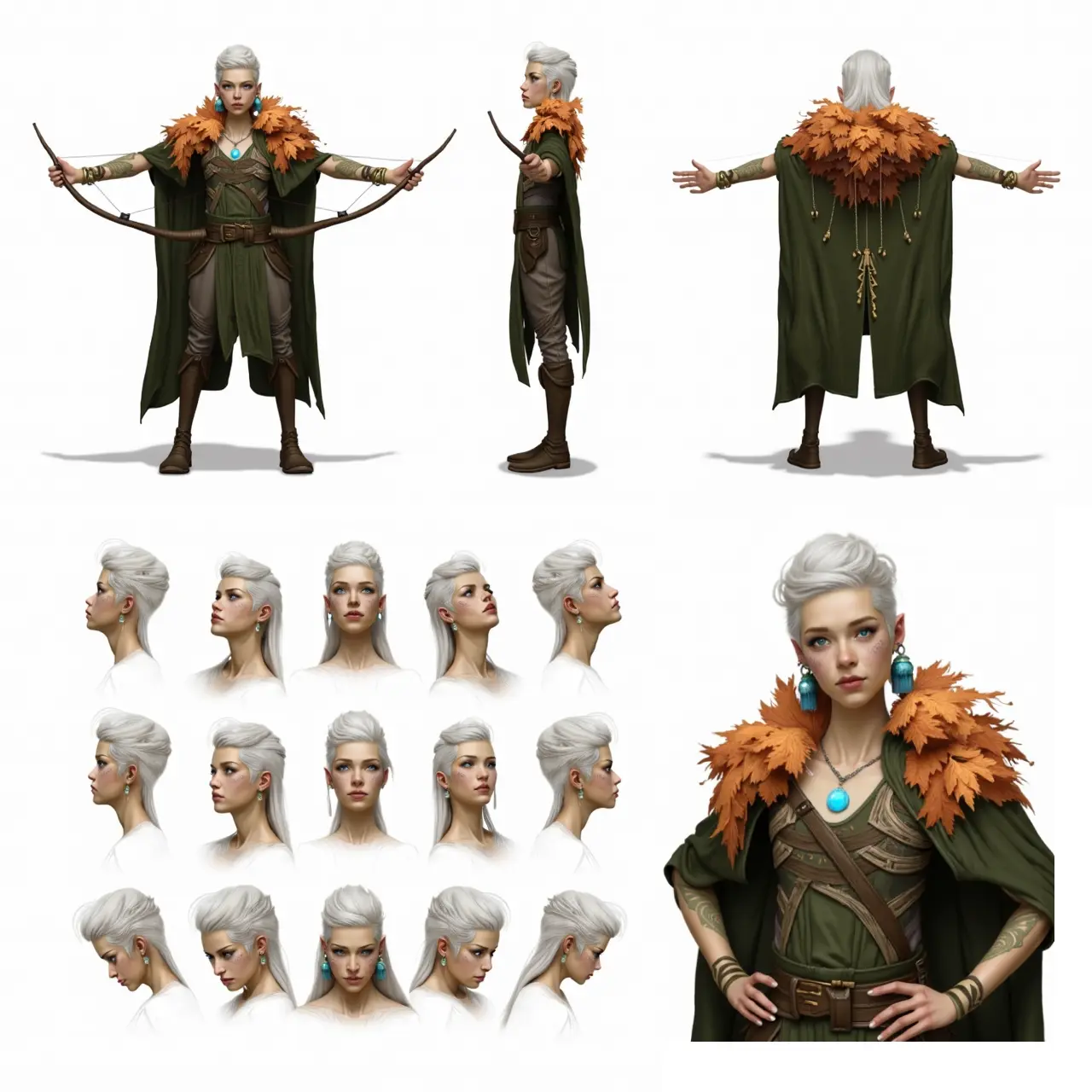
The QuiverImageToSVGNode is designed to transform raster images into scalable vector graphics (SVG) using the advanced capabilities of Quiver AI. This node is particularly beneficial for artists and designers who wish to convert pixel-based images into vector formats, which are resolution-independent and ideal for various design applications. By leveraging Quiver AI's sophisticated vectorization algorithms, this node ensures that the resulting SVGs maintain the integrity and detail of the original image while offering the flexibility of vector graphics. This process is especially useful for creating graphics that need to be scaled to different sizes without losing quality, making it a valuable tool for both digital and print media.
Quiver Image to SVG Input Parameters:
image
This parameter represents the input image that you wish to vectorize. It is crucial as it serves as the source material for the SVG conversion process. The image should be in a format supported by the node, typically a PNG, to ensure compatibility and optimal results.
auto_crop
The auto_crop parameter is a boolean option that, when enabled, automatically crops the image to focus on the dominant subject. This feature is useful for eliminating unnecessary background elements and enhancing the clarity of the vectorized output. By default, this option is set to False, meaning no automatic cropping will occur unless specified.
model
This parameter allows you to select the model used for SVG vectorization. Different models may offer varying levels of detail and style in the vectorization process. The model parameter includes options for setting advanced configurations such as target_size, temperature, top_p, and presence_penalty, which can influence the stylistic and technical aspects of the SVG output.
seed
The seed parameter is used to ensure reproducibility in the vectorization process. By setting a specific seed value, you can achieve consistent results across multiple runs with the same input image and settings. This is particularly useful for experimentation and fine-tuning the vectorization process.
Quiver Image to SVG Output Parameters:
SVG
The output of this node is an SVG file, which is a vector representation of the input image. This SVG output is significant because it allows for infinite scalability without loss of quality, making it ideal for various applications such as web design, print media, and digital art. The SVG format is widely supported and can be easily edited or integrated into other design projects.
Quiver Image to SVG Usage Tips:
- To achieve the best results, use high-quality input images with clear subjects. This will enhance the accuracy and detail of the vectorized SVG output.
- Experiment with different model settings to find the optimal balance between detail and style for your specific project needs. Adjusting parameters like
target_sizeandtemperaturecan significantly impact the final SVG. - Utilize the
auto_cropfeature to focus on the main subject of your image, which can help in creating cleaner and more professional-looking vector graphics.
Quiver Image to SVG Common Errors and Solutions:
"Invalid image format"
- Explanation: This error occurs when the input image is not in a supported format, such as PNG.
- Solution: Ensure that your input image is in PNG format before attempting to vectorize it.
"Model configuration error"
- Explanation: This error indicates that there is an issue with the model settings, such as an unsupported parameter value.
- Solution: Double-check the model configuration parameters, ensuring they fall within the specified ranges and are correctly set.
"Auto-crop failed"
- Explanation: This error may occur if the auto-crop feature cannot identify a dominant subject in the image.
- Solution: Try disabling the
auto_cropfeature or use an image with a more distinct subject to improve cropping accuracy.