



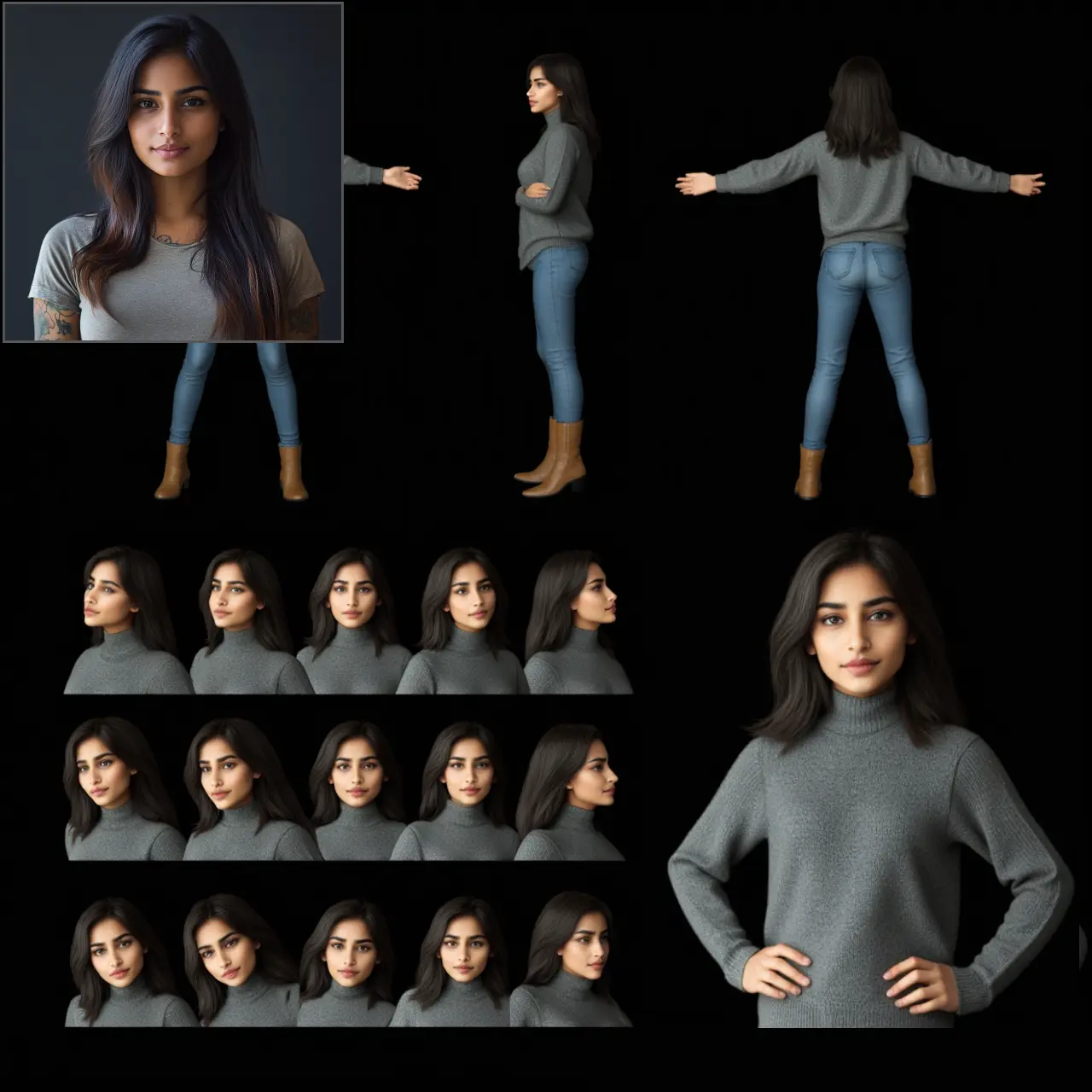
Meshy: Rig Model:
The MeshyRigModelNode is designed to provide a rigged character model in standard 3D formats, such as GLB and FBX. This node is particularly useful for AI artists who need to convert static 3D models into rigged characters that can be animated. The node automates the rigging process, making it accessible even to those without extensive technical knowledge in 3D modeling. However, it is important to note that the auto-rigging feature is best suited for textured humanoid models with clear limb and body structures. Models that are untextured, non-humanoid, or have ambiguous anatomical features may not be suitable for this process. By using this node, you can streamline the creation of rigged models, facilitating their use in various applications such as animation, gaming, and virtual reality.
Meshy: Rig Model Input Parameters:
MESHY_TASK_ID
This parameter represents the unique identifier for the task associated with the model you wish to rig. It is crucial for tracking and managing the rigging process within the system. The task ID ensures that the correct model is selected for rigging, and it helps in retrieving the results once the process is complete.
height_meters
The height_meters parameter specifies the approximate height of the character model in meters. This value is essential for scaling the model accurately during the rigging process, ensuring that the proportions and movements of the rigged character are realistic. The parameter accepts values ranging from 0.1 to 15.0 meters, with a default value of 1.7 meters, which is a typical height for a humanoid character.
texture_image
This optional parameter allows you to input a UV-unwrapped base color texture image for the model. Providing a texture image can enhance the rigging process by ensuring that the model's appearance is preserved and accurately represented in the final rigged output. If a texture image is not provided, the rigging process will proceed without it, but the visual fidelity of the model may be affected.
Meshy: Rig Model Output Parameters:
model_file
This output parameter is maintained for backward compatibility and provides a string representation of the model file. It is primarily used to ensure that older systems or workflows that rely on this output can still function correctly.
rig_task_id
The rig_task_id is a unique identifier for the rigging task that has been executed. It allows you to track the progress and status of the rigging process and is essential for retrieving the final rigged model once the task is complete.
GLB
This output provides the rigged character model in the GLB format, which is a binary version of the GLTF format. GLB files are widely used for their compact size and efficient loading, making them ideal for web applications and real-time rendering.
FBX
The FBX output delivers the rigged character model in the FBX format, which is a popular choice for 3D modeling and animation software. FBX files are known for their versatility and compatibility with various 3D applications, making them suitable for complex animations and detailed character models.
Meshy: Rig Model Usage Tips:
- Ensure that your model is a textured humanoid with clear limb and body structures to achieve the best rigging results.
- Use the
height_metersparameter to accurately scale your model, which will improve the realism of the rigged character's movements. - If available, provide a high-quality texture image to enhance the visual fidelity of the rigged model.
Meshy: Rig Model Common Errors and Solutions:
Invalid MESHY_TASK_ID
- Explanation: The task ID provided does not correspond to any existing task in the system.
- Solution: Verify that the task ID is correct and corresponds to a valid task. Ensure that the task has been created and is accessible.
Unsupported Model Type
- Explanation: The model provided is not suitable for auto-rigging due to its non-humanoid structure or lack of texture.
- Solution: Use a humanoid model with clear anatomical features and a texture. Consider manually rigging non-humanoid models or using alternative methods.
Texture Image Not Found
- Explanation: The specified texture image could not be located or accessed.
- Solution: Check the file path or URL of the texture image to ensure it is correct and accessible. Ensure that the image is properly formatted and UV-unwrapped.