



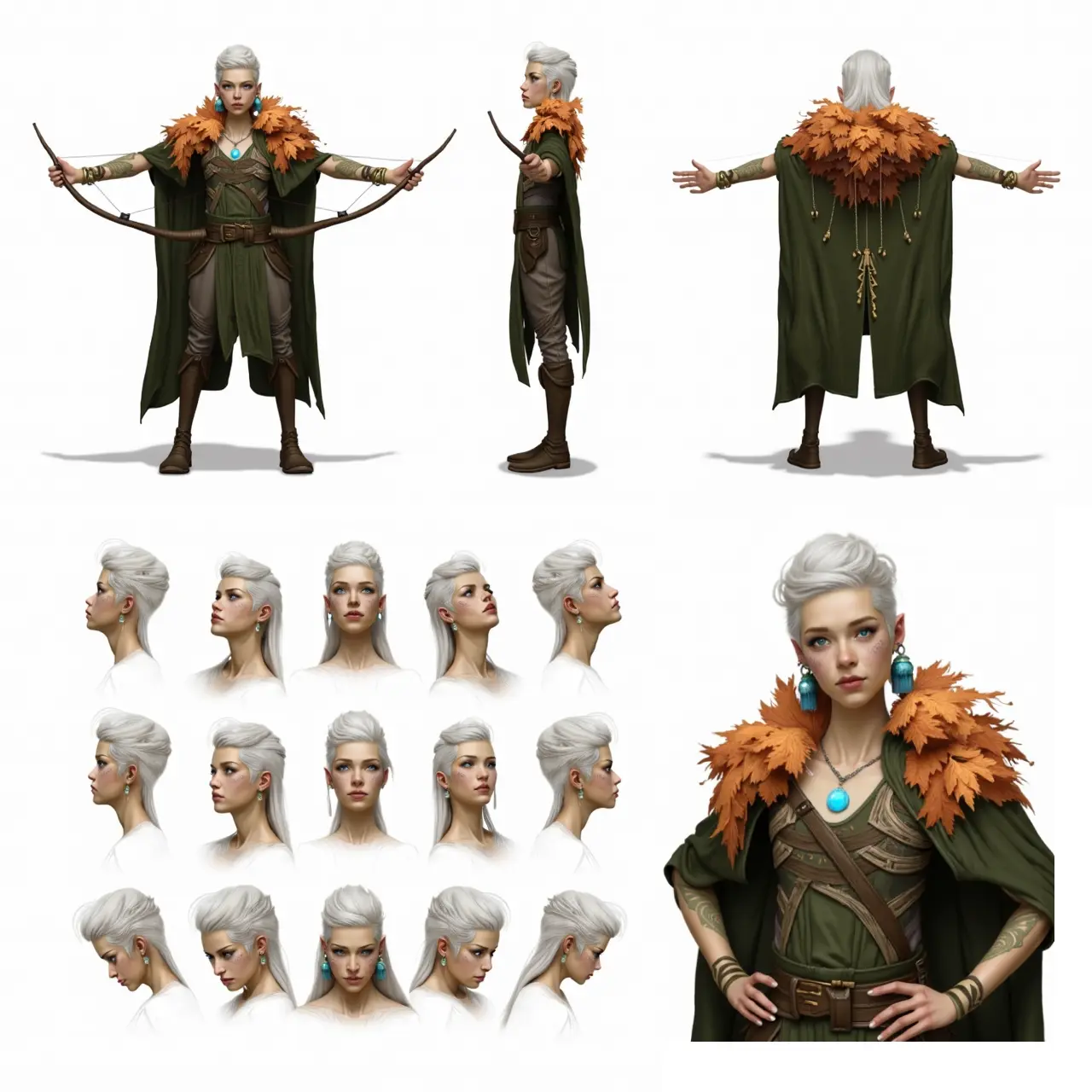
ComfyUI Node: LoRA Plot Node
LoRAPlotNode
CategoryLoRA
Hearmeman24 (Account age: 1348days) Extension
ComfyUI-LoRAPlotNode Latest Updated
2025-11-19 Github Stars
0.03K
How to Install ComfyUI-LoRAPlotNode
Install this extension via the ComfyUI Manager by searching for ComfyUI-LoRAPlotNode- 1. Click the Manager button in the main menu
- 2. Select Custom Nodes Manager button
- 3. Enter ComfyUI-LoRAPlotNode in the search bar
Visit ComfyUI Online for ready-to-use ComfyUI environment
- Free trial available
- 16GB VRAM to 80GB VRAM GPU machines
- 400+ preloaded models/nodes
- Freedom to upload custom models/nodes
- 200+ ready-to-run workflows
- 100% private workspace with up to 200GB storage
- Dedicated Support
LoRA Plot Node Description
LoRAPlotNode applies and visualizes LoRA models on AI art, optimizing performance with caching.
LoRA Plot Node:
The LoRAPlotNode is designed to facilitate the application of Low-Rank Adaptation (LoRA) models to existing AI models, allowing you to explore and visualize the effects of different LoRA configurations on your AI-generated art. This node is particularly beneficial for AI artists who want to experiment with various LoRA strengths and combinations to achieve unique artistic styles or effects. By leveraging caching mechanisms, the node optimizes performance by storing frequently used LoRA models in memory, reducing the need for repeated loading from disk. This not only speeds up the process but also manages memory efficiently by evicting the least recently used models when the cache reaches its maximum size. The node's primary goal is to provide a seamless and efficient way to apply multiple LoRA models to a base model and clip, enabling you to iterate quickly and focus on the creative aspects of your work.
LoRA Plot Node Input Parameters:
model
The model parameter represents the base AI model to which the LoRA models will be applied. This is the foundational model that will be modified by the LoRA configurations to produce different outputs. The choice of model can significantly impact the final results, as it serves as the starting point for all modifications.
clip
The clip parameter refers to the base CLIP model used in conjunction with the AI model. CLIP models are often used to guide the AI model's output based on textual descriptions, and applying LoRA to the CLIP model can alter how it interprets and influences the AI model's output.
strengths
The strengths parameter is a list of numerical values that determine the intensity of the LoRA application. Each strength value corresponds to a different level of influence that the LoRA model will have on the base model and clip. Adjusting these values allows you to fine-tune the effect of the LoRA models, ranging from subtle to more pronounced changes.
lora_1, lora_2, ..., lora_10
These parameters represent the names of up to ten different LoRA models that can be applied to the base model and clip. Each parameter allows you to specify a different LoRA model, providing flexibility in combining multiple LoRA effects. If a parameter is set to "None," it indicates that no LoRA model will be applied in that slot.
LoRA Plot Node Output Parameters:
models_output
The models_output parameter is a list of AI models that have been modified by the LoRA configurations. Each entry in the list corresponds to a different combination of LoRA models and strengths, providing a variety of outputs for you to evaluate and choose from.
clips_output
The clips_output parameter is a list of CLIP models that have been altered by the LoRA configurations. Similar to models_output, each entry represents a different combination of LoRA models and strengths, allowing you to see how the CLIP model's interpretation changes with different settings.
metadata_output
The metadata_output parameter provides a list of metadata strings that describe the LoRA configurations used for each output. This includes the sanitized name of the LoRA model and the strength applied, serving as a reference for understanding and reproducing specific results.
LoRA Plot Node Usage Tips:
- Experiment with different combinations of LoRA models and strengths to discover unique artistic styles and effects. Start with subtle strength values and gradually increase them to observe the impact on the output.
- Utilize the caching mechanism by frequently using the same LoRA models, which will speed up the process by reducing loading times. Be mindful of the cache size to ensure optimal performance.
- Keep track of the metadata output to document the configurations that produce desirable results, making it easier to replicate or refine your work in the future.
LoRA Plot Node Common Errors and Solutions:
LoRA file not found: <lora_name>
- Explanation: This error occurs when the specified LoRA file cannot be located in the expected directory.
- Solution: Ensure that the LoRA file is correctly named and placed in the designated directory. Verify the file path and check for any typos in the file name.
Failed to load LoRA file '<lora_name>': <error_details>
- Explanation: This error indicates that there was an issue loading the LoRA file, possibly due to file corruption or incompatible format.
- Solution: Check the integrity of the LoRA file and ensure it is in a compatible format. If the file is corrupted, try obtaining a new copy of the LoRA model.
No LoRA-strength combinations were successfully applied
- Explanation: This error suggests that none of the specified LoRA models and strengths could be applied successfully, possibly due to invalid configurations or errors in the LoRA files.
- Solution: Review the list of LoRA models and strengths to ensure they are valid and correctly specified. Check for any errors in the LoRA files and adjust the configurations as needed.
LoRA Plot Node Related Nodes
RunComfy is the premier ComfyUI platform, offering ComfyUI online environment and services, along with ComfyUI workflows featuring stunning visuals. RunComfy also provides AI Models, enabling artists to harness the latest AI tools to create incredible art.