



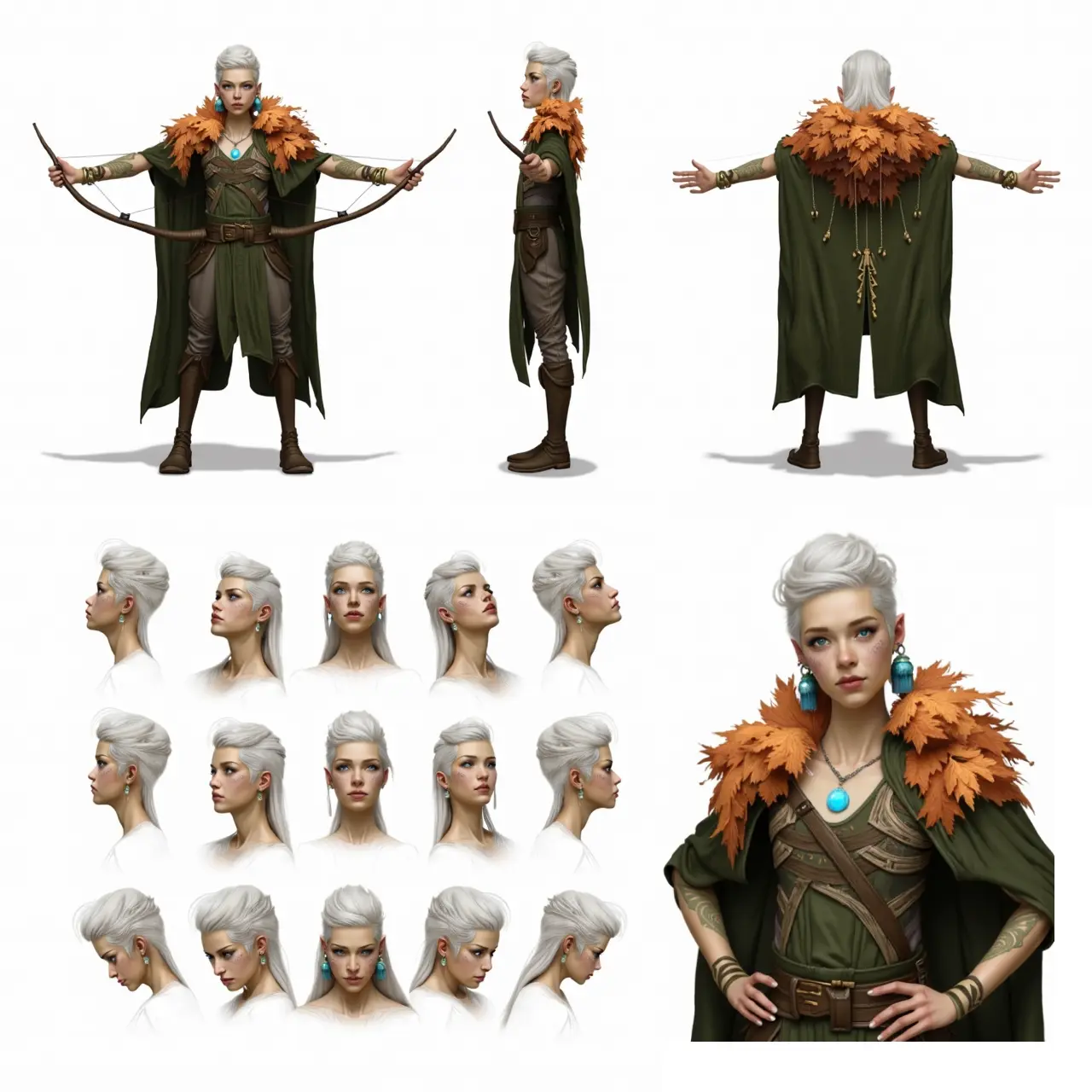
LiTo Image to 3D:
The LiToImageTo3D node is designed to transform 2D images into 3D representations using advanced techniques such as DiT sampling and Gaussian decoding. This node is particularly beneficial for AI artists and creators who wish to convert flat images into three-dimensional forms, enabling a more immersive and interactive experience. The process involves generating 3D Gaussians from the input image, which can then be used for various applications such as 3D modeling, virtual reality, and augmented reality. The node is optimized for performance, with execution times of approximately 4.7 seconds on compiled systems using H100 hardware, and around 15 seconds on uncompiled systems. This efficiency makes it a powerful tool for artists looking to quickly and effectively create 3D content from 2D sources.
LiTo Image to 3D Input Parameters:
image
The image parameter is the primary input for the LiToImageTo3D node, representing the 2D image that you wish to convert into a 3D representation. This image should be in a format compatible with the node's processing capabilities, typically as a tensor with dimensions corresponding to the image's height, width, and color channels. The quality and resolution of the input image can significantly impact the resulting 3D model, with higher resolution images generally producing more detailed 3D outputs. There are no explicit minimum or maximum values for this parameter, but it is important to ensure that the image is preprocessed to meet the node's requirements, such as resizing to 518x518 pixels if necessary.
mask
The mask parameter is used to define the areas of the image that should be considered for 3D conversion. It acts as an alpha channel, determining the transparency of different parts of the image. This parameter is crucial for isolating specific objects or regions within the image that you want to focus on, while ignoring the background or other irrelevant areas. The mask should be a binary or grayscale image where the values indicate the level of transparency, with 0 representing fully transparent and 1 representing fully opaque. Properly configuring the mask can enhance the accuracy and quality of the 3D model by ensuring that only the desired parts of the image are processed.
LiTo Image to 3D Output Parameters:
3D_gaussians
The 3D_gaussians output parameter represents the 3D model generated from the input image. This output is a collection of 3D Gaussian distributions that collectively form the three-dimensional representation of the original 2D image. Each Gaussian in the output corresponds to a specific feature or region of the image, with parameters defining its position, orientation, and scale in 3D space. This output is essential for further processing or visualization in 3D applications, allowing you to manipulate and explore the 3D structure derived from the image. The quality and fidelity of the 3D model depend on the input parameters and the node's processing capabilities.
LiTo Image to 3D Usage Tips:
- Ensure that your input image is preprocessed to the required 518x518 resolution to optimize the node's performance and output quality.
- Use a well-defined mask to isolate the specific areas of the image you want to convert into 3D, which can significantly improve the accuracy of the resulting model.
- Experiment with different image resolutions and mask configurations to achieve the desired level of detail and focus in your 3D models.
LiTo Image to 3D Common Errors and Solutions:
CUDA out of memory
- Explanation: This error occurs when the GPU does not have enough memory to process the input image and generate the 3D model.
- Solution: Try reducing the resolution of the input image or using a smaller batch size to decrease memory usage. Alternatively, consider upgrading your hardware to a GPU with more memory.
Image and mask size mismatch
- Explanation: This error arises when the dimensions of the input image and mask do not match, preventing proper processing.
- Solution: Ensure that both the image and mask are resized to the same dimensions before inputting them into the node. Use interpolation methods if necessary to adjust the mask size.
Invalid input format
- Explanation: This error occurs when the input image or mask is not in a compatible format for processing.
- Solution: Convert your images and masks to the required tensor format, ensuring they have the correct number of channels and data type. Use preprocessing nodes or external tools to achieve the correct format.