



What is the Flux Kontext Pulid ComfyUI Workflow?#
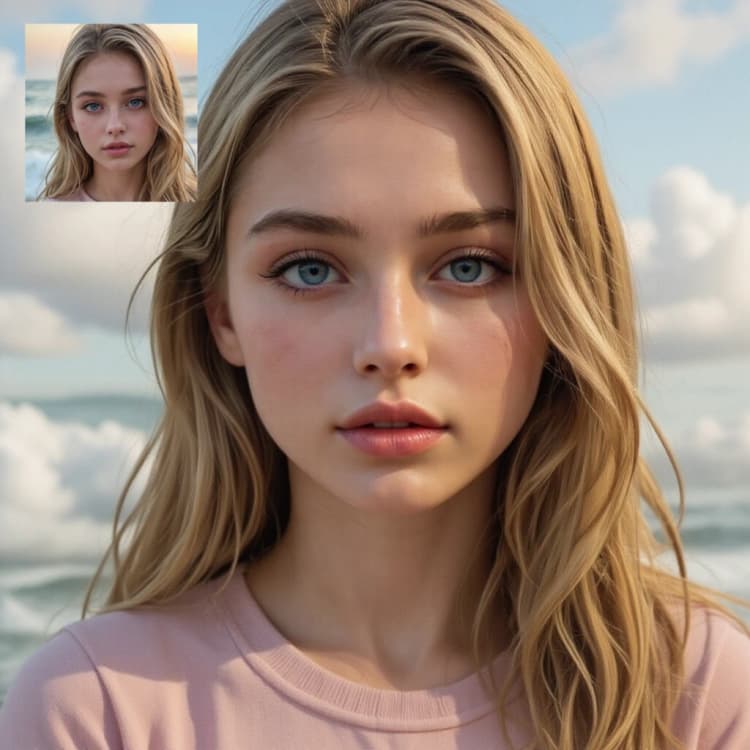
Flux Kontext Pulid is a reference-based character generation workflow inside ComfyUI that combines the FLUX Diffusion Transformer (DiT) with the Kontext Adapter and Pulid identity control. This Flux Kontext Pulid setup allows creators to generate high-fidelity character images from a single face reference while maintaining identity consistency across styles, poses, and scenes.
Whether you're building stylized character renders or testing identity stability under prompt variation, Flux Kontext Pulid delivers creative flexibility and structure-aware consistency—all powered by cutting-edge DiT architecture within the Flux Kontext Pulid workflow.
Key Features and Benefits of Flux Kontext Pulid#
Single Reference Identity Control: Use one face image to guide all Flux Kontext Pulid generations
Kontext Attention Adapter: Context-aware personalization using prompt + visual alignment in Flux Kontext Pulid
Pulid Nodes: Precise identity preservation through weight and timeline control in Flux Kontext Pulid
DiT Transformer Base: Built on FLUX for high-fidelity and expressive character output in Flux Kontext Pulid
Compatible with LoRAs and Stylized Prompts: Great for anime, realism, concept design, or portrait workflows with Flux Kontext Pulid
This Flux Kontext Pulid workflow is especially useful for AI artists looking to test facial consistency across multiple renders without retraining.
How to Use Flux Kontext Pulid in ComfyUI#
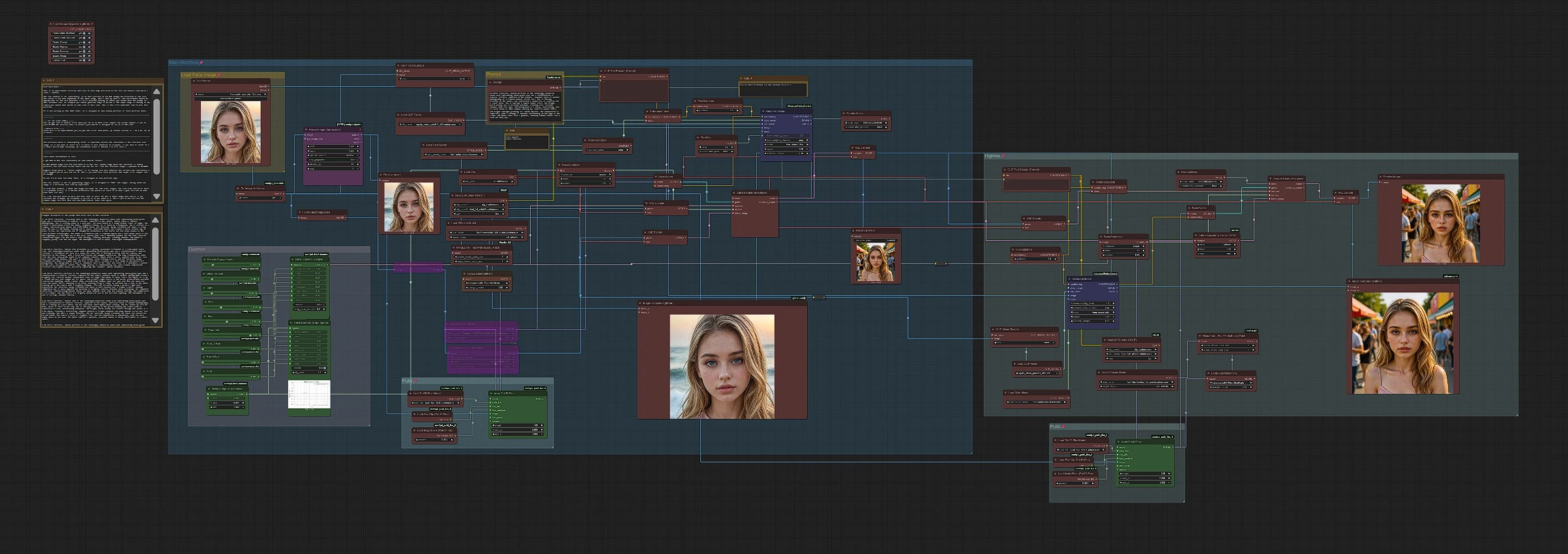
Main Group#
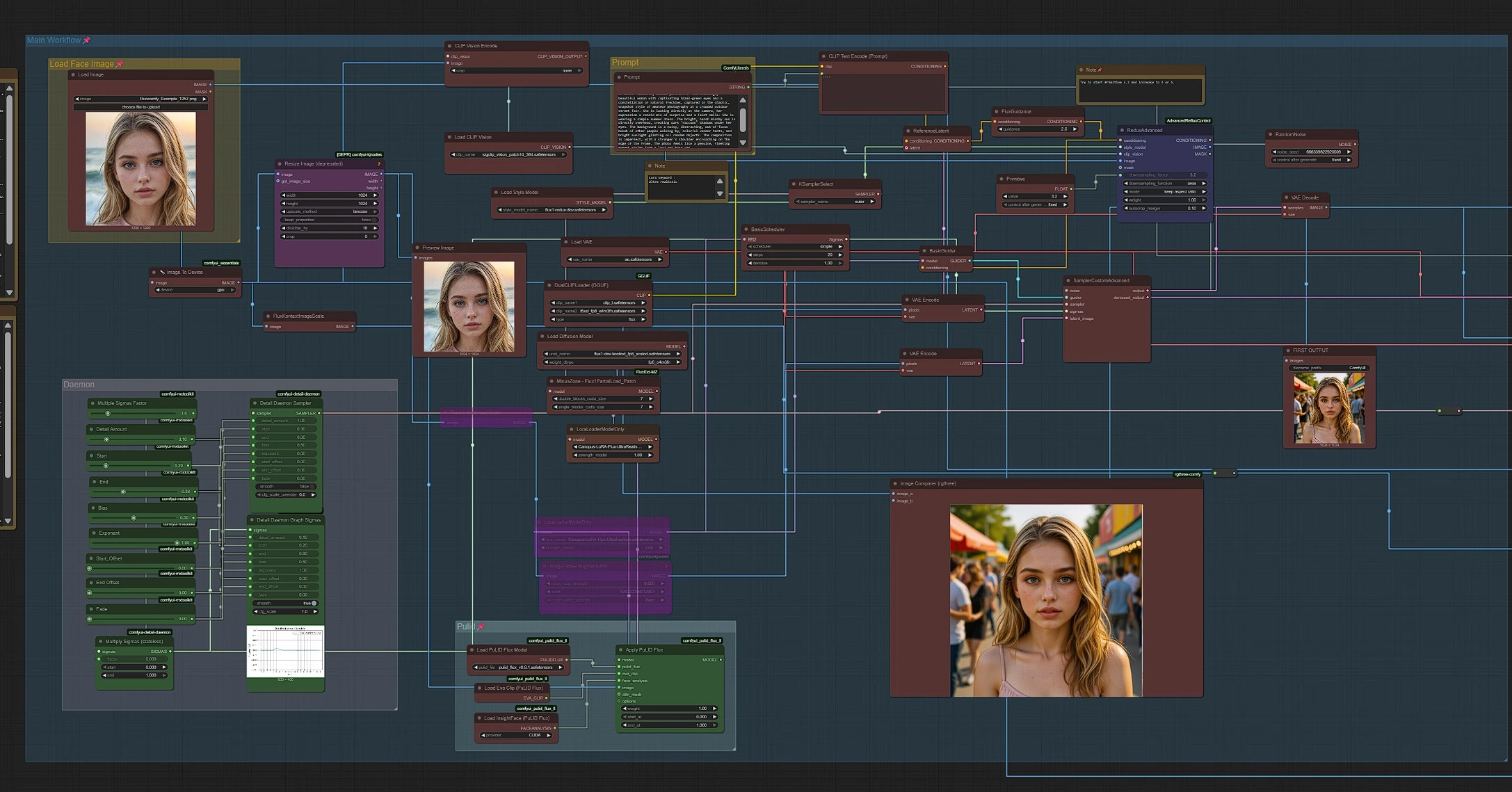
This is the Main Sampling Group that controls your base image generation using the reference and prompt in Flux Kontext Pulid.
Load Image Here
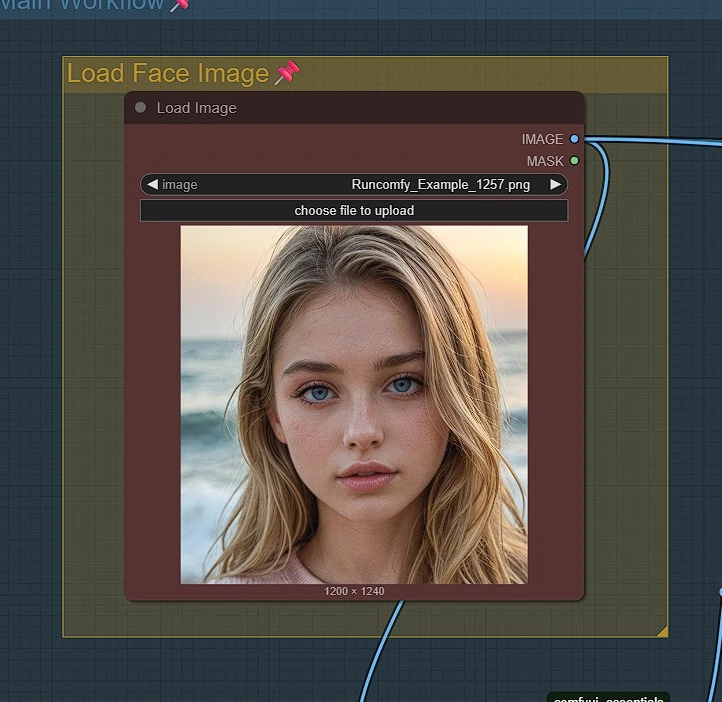
- Upload a face reference image into the
Load Imagenode for Flux Kontext Pulid - This image drives the Pulid identity encoding and DiT personalization in Flux Kontext Pulid
Enter Prompts Here
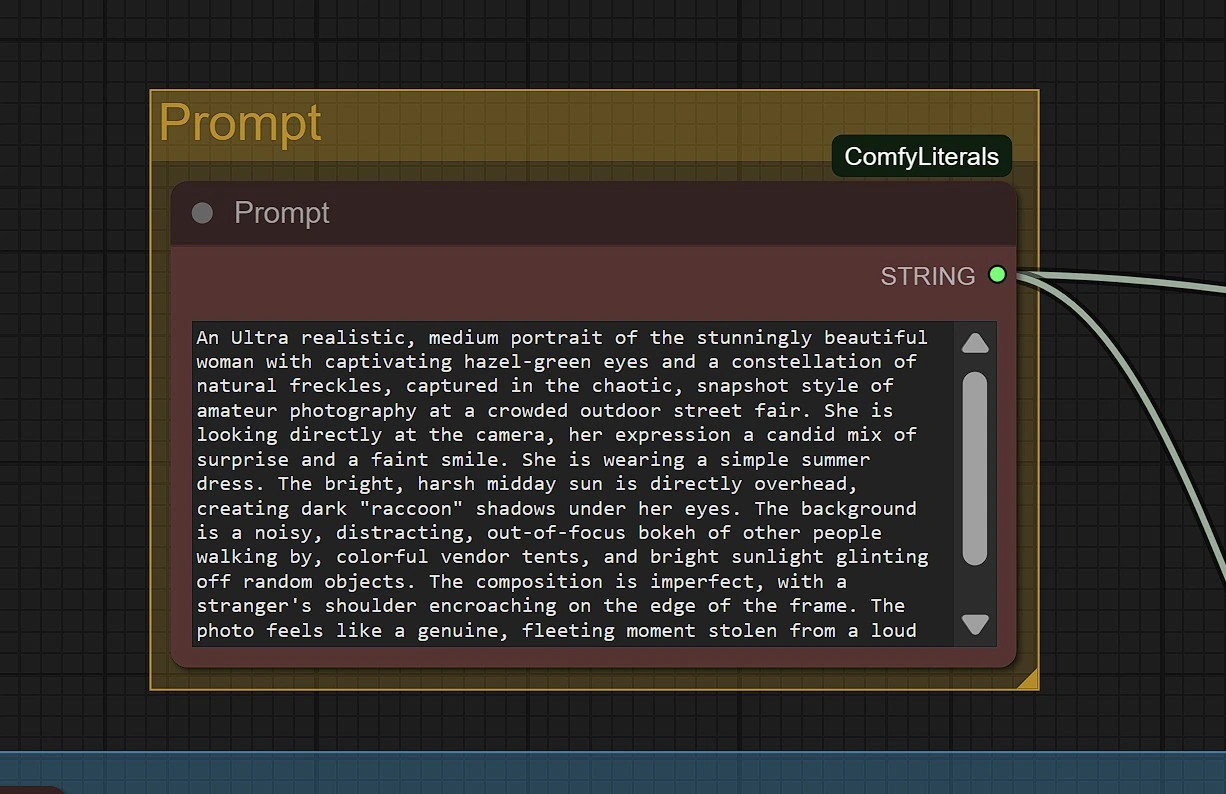
- Add your positive and negative prompts to shape the pose, scene, clothing, and expression
- Use descriptive language like
"a female character in a red coat, standing in snowfall" - Add negatives like
"extra hands, distorted face, blurry"
You can also adjust the Sampler settings here:
- Change the sampler type (Euler, DPM++, etc.)
- Modify steps, CFG scale, resolution, or noise schedule
- This gives you more control over image fidelity and style response
Pulid Control
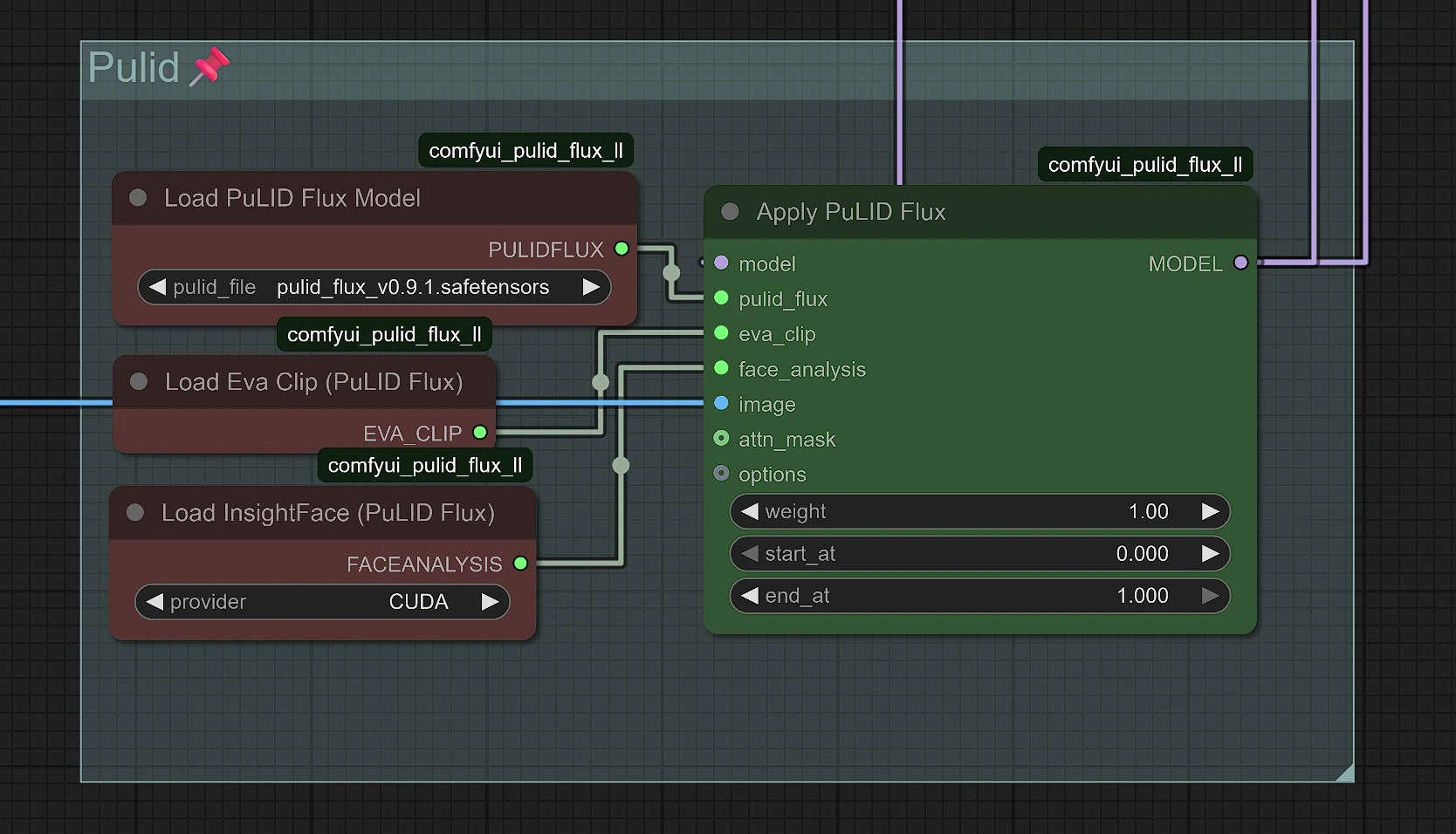
Both this group and the Highres group have Pulid control nodes for Flux Kontext Pulid. Here, you can set:
Weight: Controls how strongly the identity is preserved in Flux Kontext PulidStart AtandEnd At: Determines when identity influence is applied during Flux Kontext Pulid sampling
This allows you to fade or blend identity effects across the Flux Kontext Pulid sampling timeline.
Highres Group#
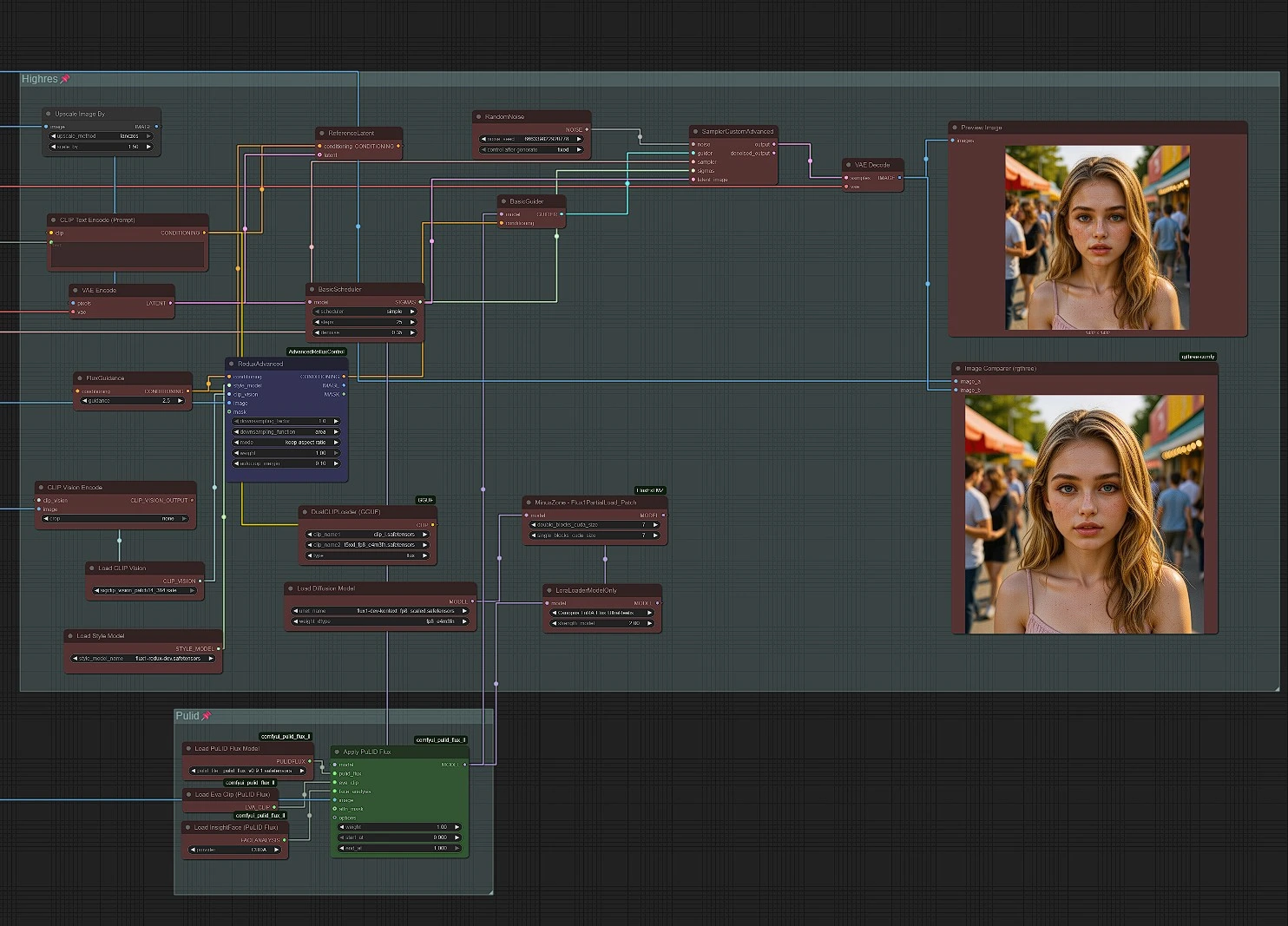
This group handles upscaling and final detail enhancement of the base image.
- The Redux Sampler in this group performs second-pass generation at higher resolution
- Adjust sampler settings (steps, sampler, resolution) here to fine-tune upscale quality
- You can scale the image output (e.g., 1.5x, 2x) based on memory and sharpness needs
- The final output is saved automatically to your
ComfyUI > outputfolder
Make sure to mirror Pulid weights in this group to maintain character identity during upscale.
Acknowledgement#
This Flux Kontext Pulid ComfyUI workflow integrates FLUX Diffusion Transformer technology with Kontext and Pulid identity systems. Special thanks to the original developers and the ComfyUI community for making this workflow accessible.
More Resources About Flux Kontext Pulid#
Explore technical resources and documentation related to Flux Kontext Pulid:
- Original Author – Complete implementation and usage examples. Flux Kontext Pulid Workflow