Autotagger [LP]| Autotagger [LP]:
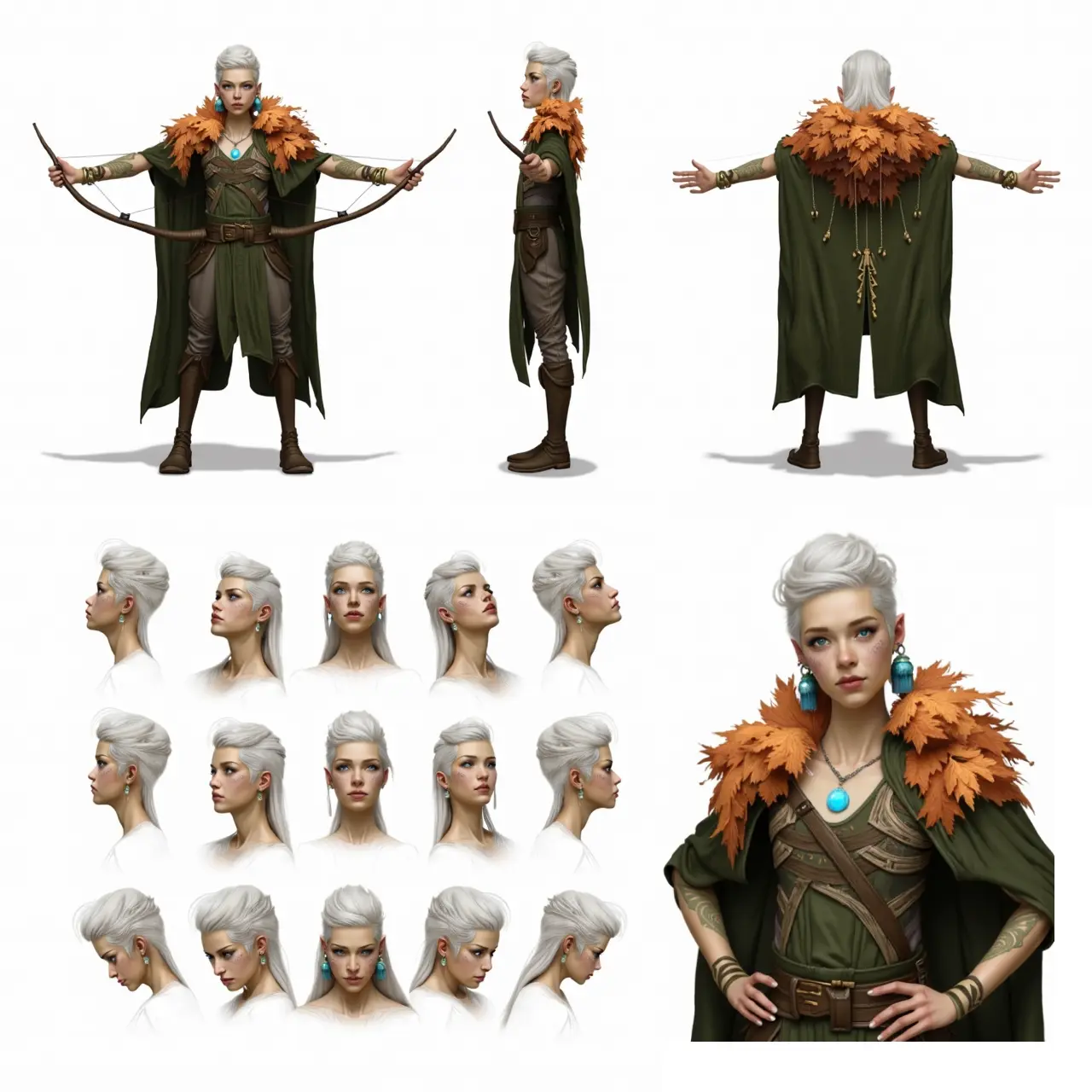
The Autotagger| Autotagger [LP] node is designed to automatically generate descriptive tags for images using advanced machine learning models. This node is particularly beneficial for AI artists and content creators who need to categorize or annotate large collections of images efficiently. By leveraging pre-trained models, the Autotagger| Autotagger [LP] can identify and label various elements within an image, such as objects, scenes, or characters, based on the model's training data. This process not only saves time but also enhances the organization and retrieval of visual content. The node's flexibility allows users to customize the tagging process by adjusting parameters like thresholds and tag exclusions, ensuring that the output aligns with specific project requirements.
Autotagger [LP]| Autotagger [LP] Input Parameters:
image
This parameter accepts the image that you want to tag. The image is processed to generate tags that describe its content. The input should be in a format that the node can interpret, typically as an image tensor.
model
This parameter specifies the machine learning model used for tagging. You can choose from a list of installed models, with the default being "wd-eva02-large-tagger-v3". The choice of model affects the accuracy and type of tags generated, as different models may be trained on different datasets.
threshold
This floating-point parameter determines the confidence level required for a tag to be included in the output. It ranges from 0.0 to 1.0, with a default value of 0.35. A higher threshold means only tags with higher confidence scores will be selected, potentially reducing false positives.
character_threshold
Similar to the threshold parameter, this floating-point value sets the confidence level for character-specific tags. It also ranges from 0.0 to 1.0, with a default of 0.85. Adjusting this can help in fine-tuning the sensitivity of character recognition in images.
replace_underscore
This boolean parameter decides whether underscores in tag names should be replaced with spaces. By default, this is set to False. Enabling this option can make tags more readable by converting underscores to spaces.
trailing_comma
This boolean parameter controls whether a trailing comma is added to the list of tags. The default setting is False. This can be useful for formatting purposes, especially when integrating with other systems that require specific tag formats.
exclude_tags
This string parameter allows you to specify tags that should be excluded from the output. By default, it is an empty string. You can list tags separated by commas to prevent them from appearing in the final tag list, which is useful for filtering out irrelevant or unwanted tags.
Autotagger [LP]| Autotagger [LP] Output Parameters:
STRING
The output is a list of strings, each representing a tag generated for the input image. These tags describe various elements or characteristics identified within the image, based on the selected model and input parameters. The tags can be used for categorization, search optimization, or enhancing metadata associated with the image.
Autotagger [LP]| Autotagger [LP] Usage Tips:
- Adjust the
thresholdandcharacter_thresholdparameters to balance between precision and recall. Lower thresholds may yield more tags but can include less relevant ones, while higher thresholds ensure only the most confident tags are selected. - Use the
exclude_tagsparameter to filter out tags that are not useful for your specific application, ensuring the output is more relevant to your needs. - Experiment with different models to find the one that best suits your image dataset and tagging requirements, as different models may have varying strengths in recognizing certain types of content.
Autotagger [LP]| Autotagger [LP] Common Errors and Solutions:
404 Error when accessing image
- Explanation: This error occurs when the specified image file cannot be found at the given path.
- Solution: Ensure that the image path is correct and that the file exists in the specified directory. Check for any typos in the filename or path.
Model file not found
- Explanation: This error indicates that the specified model file is not available in the models directory.
- Solution: Verify that the model file is correctly installed and available in the designated directory. If missing, download the model using the provided functionality or manually place it in the directory.
Unable to download model
- Explanation: This error occurs when the node fails to download the model from the specified endpoint.
- Solution: Check your internet connection and ensure that the HF_ENDPOINT is correctly set. If the issue persists, consider downloading the model files manually or using a different endpoint.