



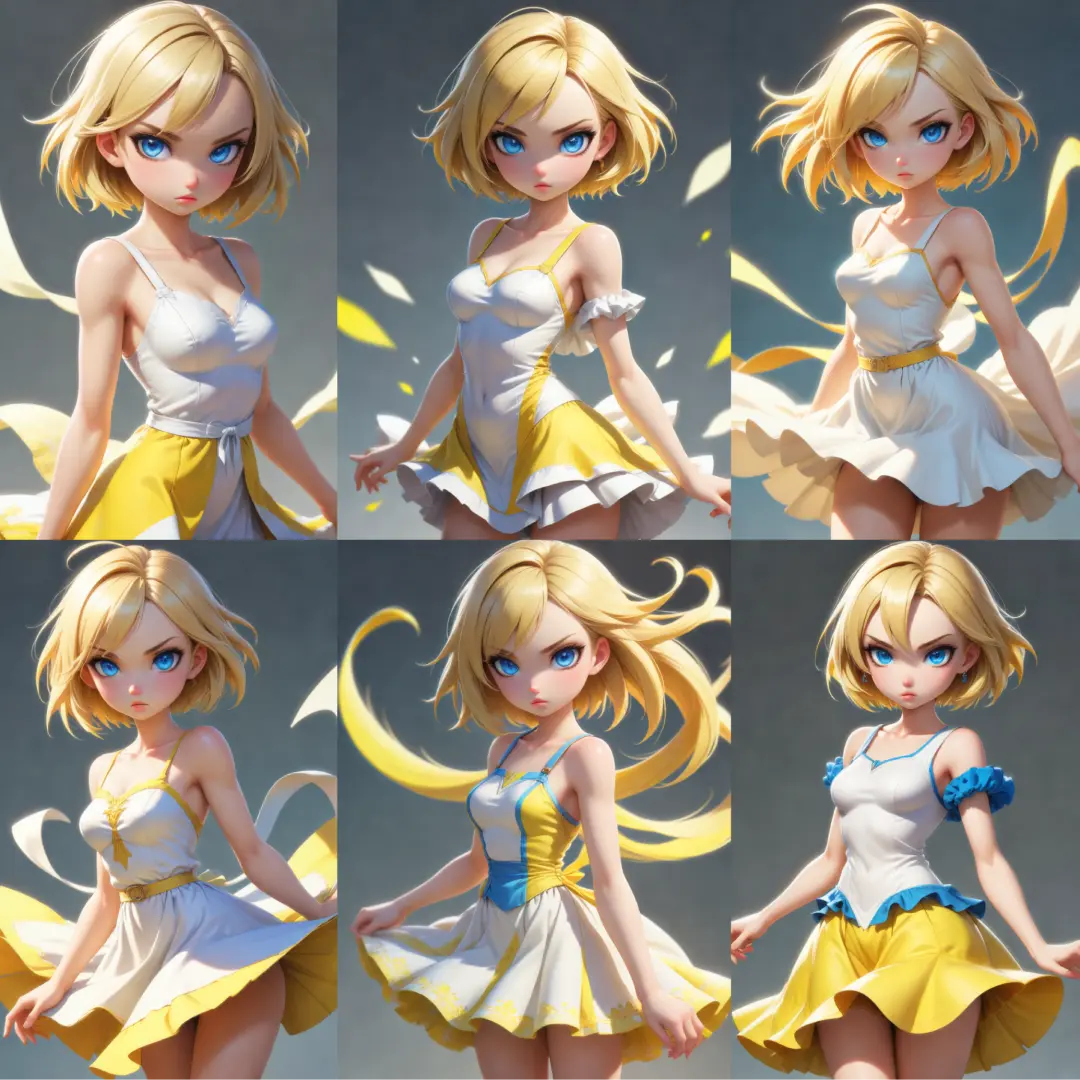
Jimeng Seedream 3:
JimengSeedream3 is an advanced image generation node designed to facilitate the creation of images from textual descriptions or existing images. This node leverages the capabilities of the Seedream 3 model, which is part of the Jimeng API suite, to provide high-quality image synthesis. It supports both text-to-image (t2i) and image-to-image (i2i) transformations, making it a versatile tool for AI artists looking to explore creative possibilities. The node is engineered to handle multiple requests in parallel, ensuring efficient processing and quick turnaround times. By utilizing the Seedream 3 model, users can expect detailed and visually appealing outputs that align closely with their input prompts or reference images.
Jimeng Seedream 3 Input Parameters:
generation_count
The generation_count parameter determines the number of images to be generated in a single execution. It directly impacts the workload and processing time of the node, as higher values will result in more images being created, which may require additional computational resources. The minimum value is 1, and there is no explicit maximum, but practical limits are dictated by system capabilities. The default value is typically set to 1 to ensure quick execution and resource efficiency.
model_id
The model_id parameter specifies which model variant of Seedream 3 to use for image generation. It influences the style and characteristics of the generated images. Available options include "t2i" for text-to-image transformations and "i2i" for image-to-image transformations. Selecting the appropriate model ID is crucial for achieving the desired output, as each model is optimized for different types of input.
resolution
The resolution parameter defines the output image's resolution, affecting the level of detail and clarity. Higher resolutions produce more detailed images but require more processing power and time. The minimum and maximum values depend on the system's capabilities and the specific requirements of the task. The default resolution is typically set to a standard value that balances quality and performance.
Jimeng Seedream 3 Output Parameters:
output_tensor
The output_tensor is the primary output of the JimengSeedream3 node, containing the generated image data. This tensor represents the pixel values of the image and is crucial for further processing or display. The output tensor's dimensions and data type depend on the specified resolution and model settings, providing a flexible format for integration with other nodes or systems.
metadata
The metadata output provides additional information about the generated images, such as model settings, execution parameters, and any relevant statistics. This data is useful for tracking and analyzing the generation process, allowing users to refine their inputs and settings for future tasks. The metadata is typically formatted as a JSON string for easy parsing and interpretation.
Jimeng Seedream 3 Usage Tips:
- Experiment with different
model_idsettings to explore various styles and transformations, ensuring the output aligns with your creative vision. - Adjust the
resolutionparameter based on the intended use of the images; higher resolutions are ideal for detailed work, while lower resolutions can speed up the generation process. - Utilize the
generation_countparameter to create multiple variations of an image, providing a broader range of options for selection and refinement.
Jimeng Seedream 3 Common Errors and Solutions:
"No tensors generated"
- Explanation: This error occurs when the node fails to produce any image data, possibly due to incorrect input parameters or insufficient system resources.
- Solution: Verify that all input parameters are correctly set and within acceptable ranges. Ensure that your system has enough resources to handle the specified resolution and generation count.
"Model ID not recognized"
- Explanation: This error indicates that the specified
model_iddoes not match any available models in the Seedream 3 suite. - Solution: Double-check the
model_idagainst the list of supported models ("t2i" and "i2i") and ensure it is correctly spelled and formatted.