Selective Denoise:
SelectiveDenoise is a specialized node designed to enhance the quality of images or videos by selectively reducing noise while preserving essential details. This node is particularly beneficial for AI artists and creators who work with digital media that may suffer from unwanted noise artifacts. By focusing on specific areas that require denoising, SelectiveDenoise allows for a more targeted approach, ensuring that the overall aesthetic and clarity of the media are maintained. The node employs advanced algorithms to differentiate between noise and important features, providing a refined output that enhances the visual quality without compromising the integrity of the original content. This makes it an invaluable tool for improving the visual appeal and professional quality of digital artworks and videos.
Selective Denoise Input Parameters:
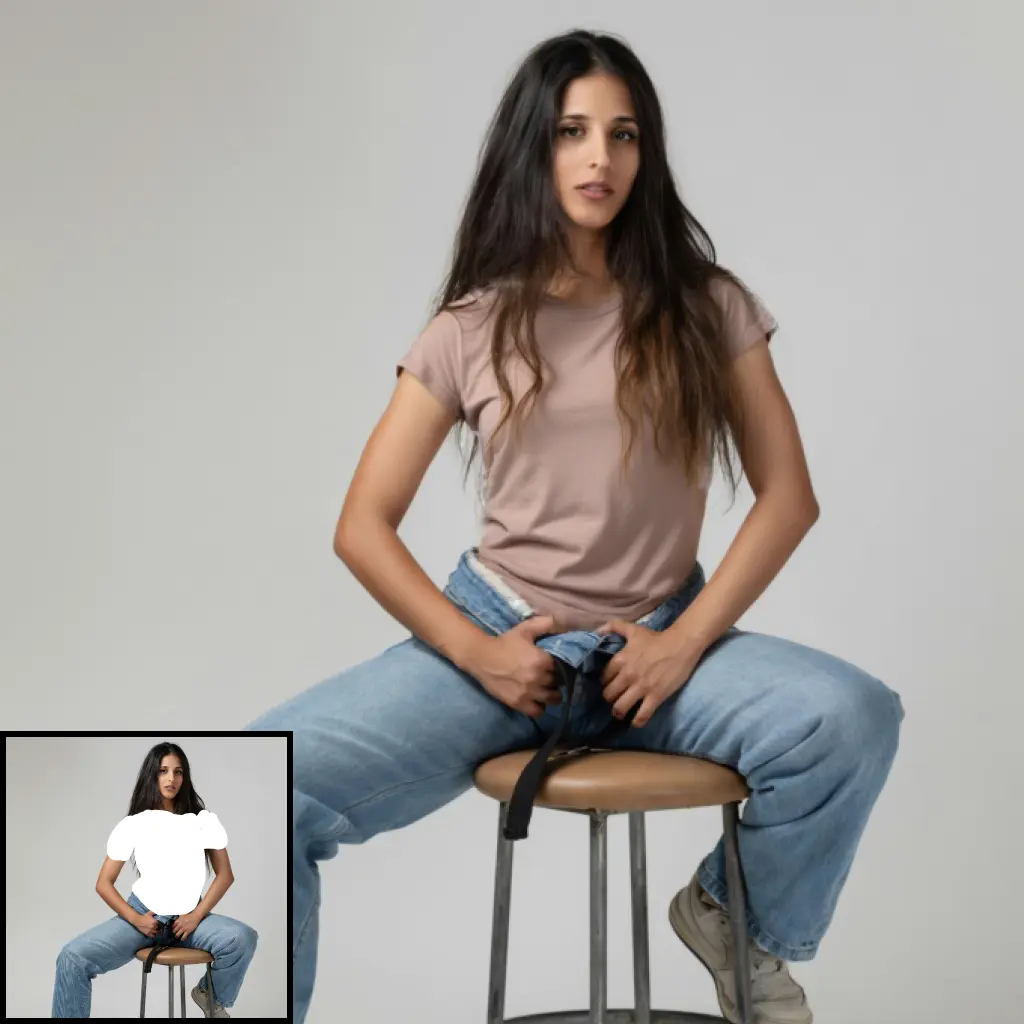
original
The original parameter represents the original noisy image or video tensor that you wish to denoise. It serves as the primary input for the denoising process, allowing the node to identify and reduce noise while preserving important details. This parameter is crucial as it forms the basis for comparison and noise extraction.
clean
The clean parameter is a reference tensor that represents the desired noise-free version of the input. It is used to guide the denoising process by providing a target for what the denoised output should resemble. This helps in fine-tuning the denoising algorithm to achieve optimal results.
noise_amplify
The noise_amplify parameter controls the intensity of the noise reduction process. By adjusting this parameter, you can increase or decrease the level of noise removal applied to the input. A higher value results in more aggressive denoising, while a lower value preserves more of the original texture and details. This parameter allows for customization based on the specific needs of your project.
color_space
The color_space parameter specifies the color space in which the denoising operation is performed. Different color spaces can affect the outcome of the denoising process, as they represent color information in various ways. Choosing the appropriate color space can enhance the effectiveness of noise reduction and ensure that the colors in the output remain true to the original.
noise_preview
The noise_preview parameter provides a visual representation of the noise present in the input. By default, it is set to "heatmap," which highlights areas of high noise concentration. This preview helps you understand the distribution of noise across the image or video, allowing for more informed adjustments to the denoising parameters.
Selective Denoise Output Parameters:
denoised_output
The denoised_output parameter is the final result of the denoising process. It provides a refined version of the original input, with noise significantly reduced while preserving important details and features. This output is crucial for enhancing the visual quality of your digital media, making it more appealing and professional.
Selective Denoise Usage Tips:
- Experiment with the
noise_amplifyparameter to find the right balance between noise reduction and detail preservation for your specific project. - Use the
noise_previewfeature to visually assess the noise distribution and make informed decisions about parameter adjustments. - Consider the
color_spacesetting to ensure that the denoising process maintains the color integrity of your media.
Selective Denoise Common Errors and Solutions:
"Input tensor dimensions mismatch"
- Explanation: This error occurs when the dimensions of the
originalandcleantensors do not match, which is necessary for the denoising process. - Solution: Ensure that both the
originalandcleantensors have the same dimensions before inputting them into the node.
"Invalid color space specified"
- Explanation: This error indicates that the
color_spaceparameter has been set to an unsupported or incorrect value. - Solution: Verify that the
color_spaceparameter is set to a valid option supported by the node, and adjust it accordingly.