



👤 Person Perspective:
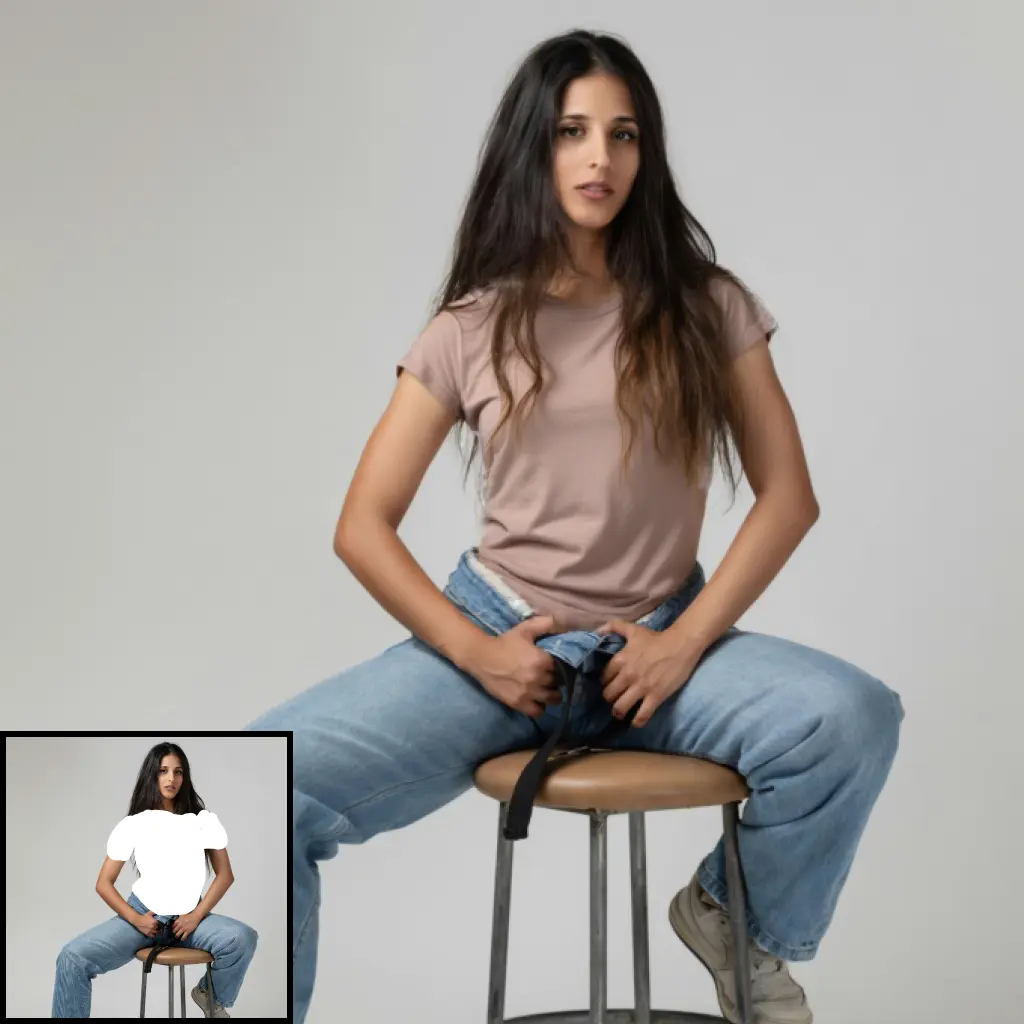
The ArchAi3D_Qwen_Person_Perspective node is a specialized tool designed to enhance the way you capture and portray people or characters through photography or digital art. It offers six distinct perspective presets that are optimized for creating dramatic and psychologically impactful images. These presets include high, low, side, eye-level, three-quarter, and dutch angles, each tailored to evoke specific emotions such as vulnerability, power, or intimacy. The node emphasizes identity preservation, ensuring that the subject's face, clothing, and pose remain consistent across different perspectives. Additionally, it provides guidance on body proportions and focal points, allowing you to emphasize certain body parts or exaggerate height for artistic effect. The node also adapts the background and reinforces lighting to complement the chosen perspective. This tool is particularly useful for portrait and fashion photography, character art, and any creative work that benefits from dynamic and engaging angles. By leveraging community-tested prompts and insights from psychological research, the ArchAi3D_Qwen_Person_Perspective node helps you achieve professional and visually compelling results.
👤 Person Perspective Input Parameters:
Perspective Preset
This parameter allows you to select from six perspective presets: high, low, side, eye-level, three-quarter, and dutch. Each preset is designed to create a specific visual effect and emotional response. For example, a low angle can convey power, while a high angle might suggest vulnerability. The choice of preset will significantly impact the composition and mood of your image. There are no minimum or maximum values, as this is a categorical selection.
Identity Preservation
This parameter controls the strictness of identity preservation, with options such as strict, moderate, and loose. It determines how closely the subject's identity, including facial features, clothing, and pose, is maintained when changing perspectives. A strict setting ensures minimal deviation from the original identity, while a loose setting allows for more creative freedom. The default setting is moderate.
Focal Point
This parameter lets you choose which body part to emphasize in the composition, such as the face, hands, or feet. The focal point selection helps guide the viewer's attention and can enhance the narrative or emotional impact of the image. There are no specific minimum or maximum values, as this is a categorical choice.
Body Proportion Guidance
This parameter provides options for adjusting body proportions, such as exaggerating height or foreshortening limbs. These adjustments can create a more dynamic and stylized appearance, enhancing the artistic quality of the image. The default setting is natural proportions, with options for various exaggerations.
👤 Person Perspective Output Parameters:
Adjusted Perspective Image
The primary output of the node is an image with the selected perspective adjustments applied. This image reflects the chosen perspective preset, identity preservation level, focal point, and body proportion guidance. The output is designed to be visually compelling and aligned with the artistic goals set by the input parameters.
👤 Person Perspective Usage Tips:
- Experiment with different perspective presets to find the one that best conveys the desired emotion or narrative in your image.
- Use the identity preservation parameter to maintain consistency in character art or when working with recognizable subjects.
- Adjust the focal point to highlight specific features or actions that are central to the story you want to tell.
- Consider the psychological effects of different angles and compositions to enhance the emotional impact of your work.
👤 Person Perspective Common Errors and Solutions:
Error: "Invalid Perspective Preset"
- Explanation: This error occurs when an unsupported perspective preset is selected.
- Solution: Ensure that you choose one of the six available presets: high, low, side, eye-level, three-quarter, or dutch.
Error: "Identity Preservation Conflict"
- Explanation: This error arises when the identity preservation setting conflicts with other parameters, leading to inconsistent results.
- Solution: Review and adjust the identity preservation setting to align with your artistic goals and ensure it complements other input parameters.
Error: "Focal Point Not Defined"
- Explanation: This error indicates that a focal point has not been selected, which can lead to a lack of emphasis in the composition.
- Solution: Select a focal point to guide the viewer's attention and enhance the narrative of your image.