




📦 Object Rotation Control:
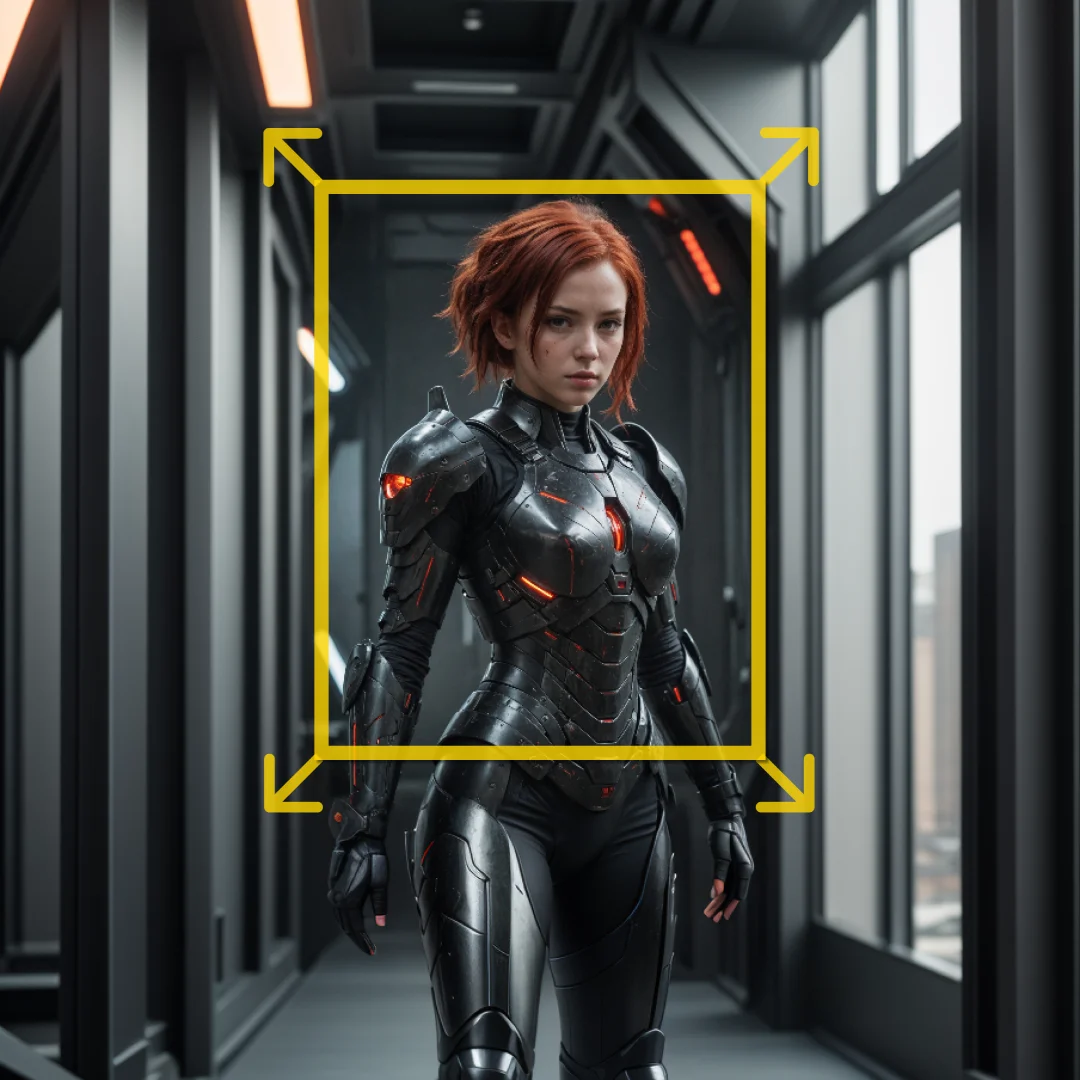
The ArchAi3D_Qwen_Object_Rotation_Control node is designed to facilitate the precise rotation of 3D objects within a virtual environment. This node is particularly beneficial for AI artists who wish to manipulate object orientations seamlessly, allowing for dynamic and interactive scene compositions. By leveraging this node, you can achieve smooth and controlled rotations, enhancing the realism and depth of your 3D scenes. The node's primary function is to adjust the orientation of objects based on specified parameters, ensuring that the desired rotational effect is achieved with accuracy and ease. This capability is crucial for creating engaging and visually appealing 3D art, as it allows for the exploration of different perspectives and angles, ultimately enriching the viewer's experience.
📦 Object Rotation Control Input Parameters:
context
The context parameter provides the necessary environmental information required for the node to execute the rotation. It acts as a reference point for the node to understand the current state of the 3D scene, ensuring that the rotation is applied correctly within the given context. This parameter is crucial for maintaining consistency and coherence in the scene's transformations.
target
The target parameter specifies the object that is to be rotated. By defining the target, you ensure that the node applies the rotation to the correct object within the scene. This parameter is essential for directing the node's operation towards the intended object, preventing unintended transformations of other elements in the scene.
direction
The direction parameter determines the axis along which the object will be rotated. It allows you to specify whether the rotation should occur along the x, y, or z-axis, providing flexibility in how the object is manipulated. This parameter is vital for achieving the desired orientation and ensuring that the rotation aligns with your artistic vision.
angle
The angle parameter defines the degree of rotation to be applied to the object. By setting this parameter, you control the extent of the rotation, allowing for both subtle adjustments and dramatic transformations. This parameter is key to achieving the precise rotational effect you desire, whether it's a slight tilt or a full 360-degree spin.
distance
The distance parameter influences the spatial relationship between the object and its pivot point during rotation. It allows you to adjust how far the object is from its center of rotation, affecting the overall impact of the rotation on the scene. This parameter is important for creating realistic and visually appealing rotations, as it can alter the perceived depth and perspective of the object.
reveal
The reveal parameter determines whether the rotation should gradually unveil the object or occur instantaneously. This parameter is useful for creating dynamic and engaging animations, as it allows for smooth transitions and reveals within the scene. By adjusting this parameter, you can enhance the storytelling aspect of your 3D art, guiding the viewer's attention and creating a sense of anticipation.
multi_step_mode
The multi_step_mode parameter enables the execution of the rotation in multiple steps, allowing for incremental adjustments over time. This parameter is beneficial for creating complex animations and ensuring that the rotation occurs smoothly and progressively. By utilizing this parameter, you can achieve more intricate and detailed rotational effects, enhancing the overall quality of your 3D scenes.
steps
The steps parameter specifies the number of incremental steps to be taken when multi_step_mode is enabled. It allows you to control the granularity of the rotation, ensuring that each step is executed with precision. This parameter is crucial for fine-tuning the rotation process, allowing for smooth and controlled transitions that enhance the visual appeal of your 3D art.
debug_mode
The debug_mode parameter provides additional information and feedback during the execution of the node. It is useful for troubleshooting and ensuring that the rotation is applied correctly, as it allows you to identify and resolve any issues that may arise. This parameter is essential for maintaining the integrity of your 3D scenes and ensuring that the node operates as intended.
📦 Object Rotation Control Output Parameters:
NodeOutput
The NodeOutput parameter represents the result of the rotation operation, providing feedback on the success and outcome of the node's execution. This output is crucial for verifying that the desired rotational effect has been achieved and for making any necessary adjustments to the scene. By analyzing this output, you can ensure that your 3D art meets your creative expectations and maintains its intended visual impact.
📦 Object Rotation Control Usage Tips:
- Experiment with the
angleanddirectionparameters to achieve unique and dynamic object orientations that enhance your 3D scenes. - Utilize the
multi_step_modeandstepsparameters to create smooth and gradual rotations, adding depth and realism to your animations. - Enable
debug_modeto gain insights into the rotation process and troubleshoot any issues that may arise during execution.
📦 Object Rotation Control Common Errors and Solutions:
Invalid target object
- Explanation: The specified target object does not exist or is not recognized within the current scene context.
- Solution: Ensure that the target object is correctly defined and exists within the scene. Double-check the object name or identifier used in the
targetparameter.
Incorrect angle value
- Explanation: The angle value provided is outside the acceptable range or is not a valid number.
- Solution: Verify that the
angleparameter is set to a valid numerical value within the expected range. Adjust the value to ensure it falls within the permissible limits for rotation.
Debug mode not providing feedback
- Explanation: The
debug_modeparameter is enabled, but no feedback or information is being displayed. - Solution: Ensure that the node is correctly connected and that the
debug_modeparameter is properly configured. Check for any issues in the node's setup that may prevent debug information from being displayed.