



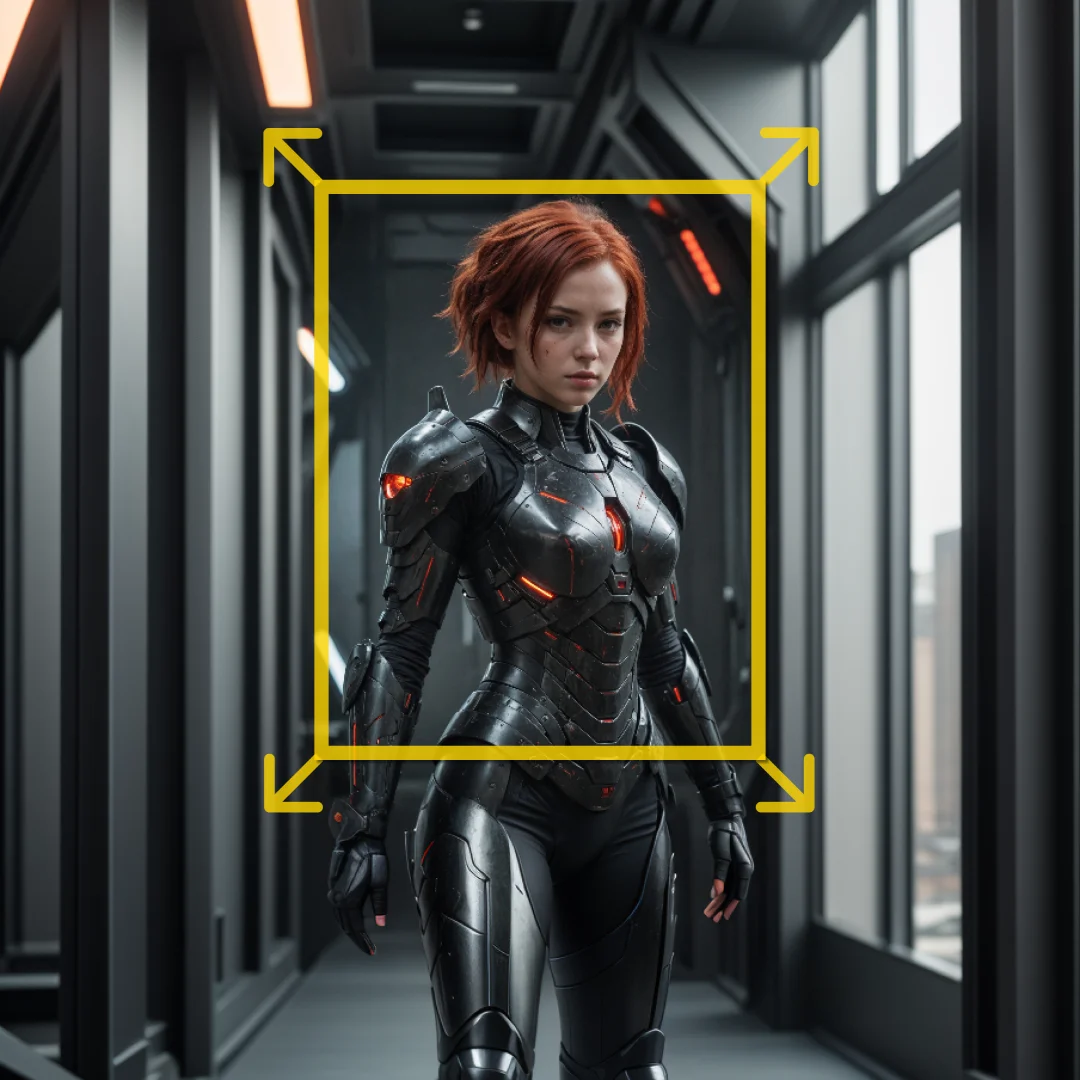
📦 Object Position Control:
The ArchAi3D_Qwen_Object_Position_Control node is designed to facilitate the precise movement and positioning of objects within a 3D scene. This node is particularly beneficial for AI artists who wish to manipulate object positions dynamically, allowing for creative control over the spatial arrangement of elements in a virtual environment. By leveraging this node, you can seamlessly adjust object positions, enhancing the visual composition and narrative of your 3D scenes. The node's primary function is to interpret movement instructions and apply them to objects, ensuring they are positioned accurately according to the specified parameters. This capability is essential for creating intricate and visually appealing 3D art, where object placement plays a crucial role in the overall aesthetic and storytelling.
📦 Object Position Control Input Parameters:
movement
The movement parameter dictates the direction and magnitude of the object's movement within the 3D scene. It is crucial for defining how far and in which direction an object should be moved. This parameter impacts the final position of the object and can be adjusted to achieve the desired spatial configuration. The values for this parameter typically range from negative to positive, allowing for movement in all directions.
custom_target
The custom_target parameter allows you to specify a particular target position for the object. This parameter is useful when you want to move an object to a specific location within the scene. By setting a custom target, you can ensure that the object reaches the exact position you envision, providing greater control over the scene's layout.
speed
The speed parameter determines the rate at which the object moves towards its target position. This parameter affects how quickly the object reaches its destination, allowing you to control the pacing of the movement. Adjusting the speed can create different visual effects, such as smooth transitions or rapid shifts, depending on the artistic intent.
debug_mode
The debug_mode parameter is used to enable or disable debugging features within the node. When activated, it provides additional information about the node's execution, which can be helpful for troubleshooting and fine-tuning the movement parameters. This parameter is particularly useful for ensuring that the object behaves as expected during the movement process.
📦 Object Position Control Output Parameters:
scene_context
The scene_context output parameter provides the updated context of the 3D scene after the object's position has been adjusted. This parameter is essential for understanding the new spatial arrangement of objects within the scene and for further processing or rendering tasks. It reflects the changes made by the node and serves as a reference for subsequent operations.
📦 Object Position Control Usage Tips:
- Experiment with different
movementvalues to achieve unique spatial arrangements and enhance the visual dynamics of your 3D scenes. - Utilize the
custom_targetparameter to precisely position objects in relation to other elements, creating harmonious compositions. - Adjust the
speedparameter to control the pacing of object movements, which can add dramatic effects or subtle transitions to your artwork. - Enable
debug_modeto gain insights into the node's execution and troubleshoot any unexpected behavior during the positioning process.
📦 Object Position Control Common Errors and Solutions:
Invalid movement value
- Explanation: The
movementparameter may have been set to an unsupported value, causing the node to malfunction. - Solution: Ensure that the
movementparameter is within the acceptable range and correctly formatted to represent the desired direction and magnitude.
Target position unreachable
- Explanation: The
custom_targetparameter may specify a position that is not feasible within the current scene constraints. - Solution: Verify that the
custom_targetis within the bounds of the 3D scene and adjust it if necessary to ensure the object can reach the target position.
Debug mode not providing output
- Explanation: The
debug_modemay not be functioning as expected, possibly due to incorrect configuration or unsupported settings. - Solution: Double-check the
debug_modesettings and ensure that it is enabled correctly. Consult the documentation for any additional requirements or limitations related to debugging.