



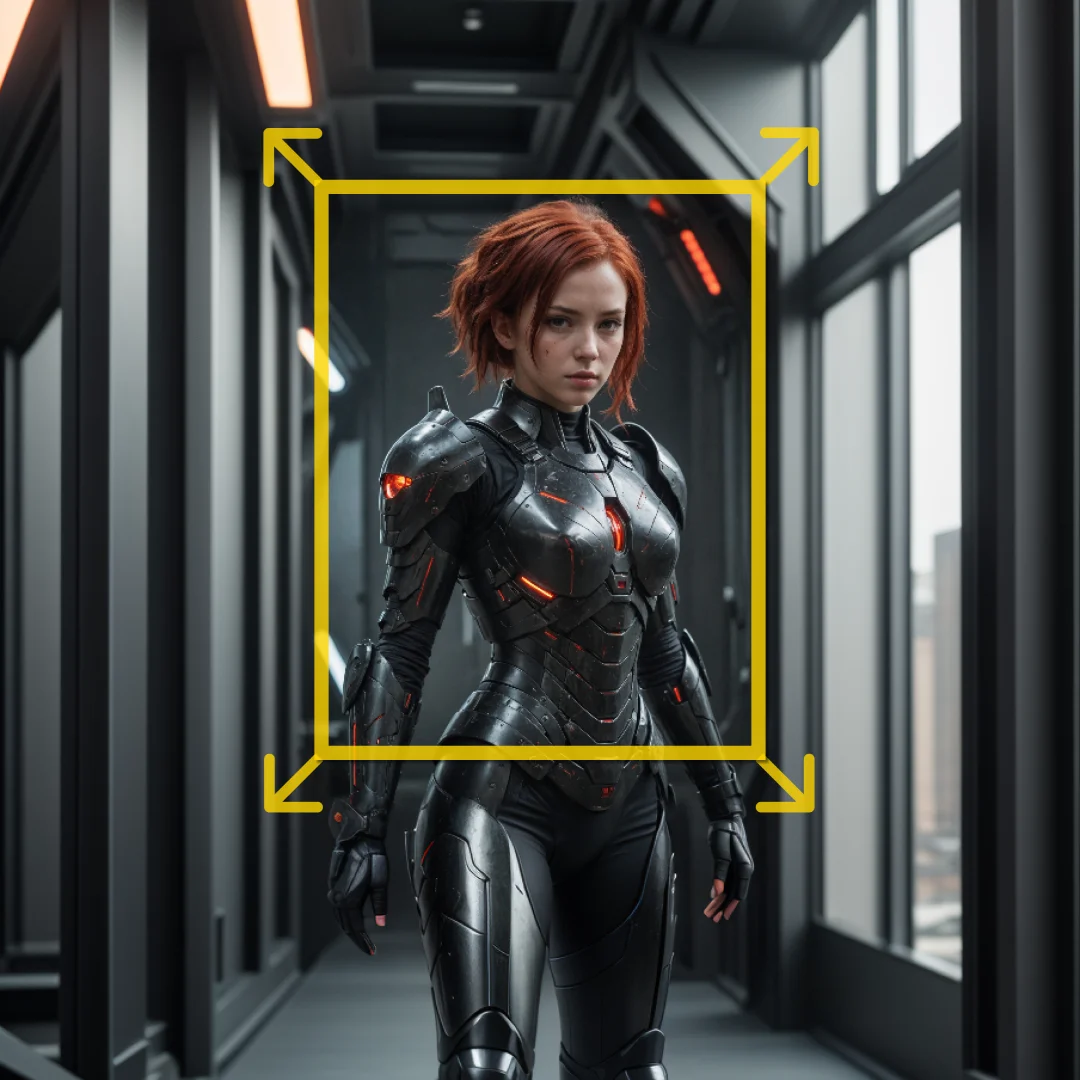

🔧 Advanced Tile Merger:
The CustomTileMerger is a sophisticated node designed to seamlessly merge multiple image tiles into a cohesive whole. This node is particularly beneficial for AI artists who work with large images that need to be processed in smaller sections or tiles due to memory constraints. By utilizing advanced techniques such as blending modes, seam calculation, and histogram matching, the CustomTileMerger ensures that the transitions between tiles are smooth and visually appealing. The primary goal of this node is to provide a high-quality merged image that maintains the integrity and detail of the original tiles, making it an essential tool for creating large-scale, high-resolution artworks.
🔧 Advanced Tile Merger Input Parameters:
tile_config
The tile_config parameter defines the configuration settings for the tiles being merged. It includes information such as the number of rows and columns in the grid, as well as the dimensions of each tile. This parameter is crucial for determining how the tiles are arranged and merged together. There are no specific minimum, maximum, or default values provided in the context, but it is essential to ensure that the configuration matches the layout of the tiles being processed.
blend_mode
The blend_mode parameter specifies the method used to blend the edges of adjacent tiles. Different blend modes can affect the visual outcome of the merged image, with some modes providing smoother transitions than others. The choice of blend mode can significantly impact the final appearance of the image, especially in areas where tiles overlap. The context does not specify the available options, but common blend modes might include options like "normal," "multiply," or "overlay."
blend_strength
The blend_strength parameter controls the intensity of the blending effect applied between tiles. A higher blend strength results in a more pronounced blending effect, which can help to further smooth out transitions between tiles. This parameter allows for fine-tuning the balance between maintaining tile details and achieving seamless integration. The context does not provide specific values, but typically, this would range from 0 (no blending) to 1 (full blending).
seam_mode
The seam_mode parameter determines the approach used to calculate and apply seams between tiles. Seams are critical for ensuring that the edges of tiles align correctly without visible artifacts. Different seam modes may offer various strategies for handling overlaps and ensuring continuity across tile boundaries. The context does not specify the available modes, but options might include "hard cut" or "soft blend."
histogram_matching
The histogram_matching parameter is a boolean flag that indicates whether histogram matching should be applied to the tiles. Histogram matching adjusts the color distribution of a tile to match that of its neighbors, helping to ensure color consistency across the merged image. This parameter is particularly useful when tiles have varying color profiles or lighting conditions. The default value is not specified, but it is typically either True or False.
seam_search_radius
The seam_search_radius parameter defines the radius within which the node searches for optimal seam lines between tiles. A larger search radius allows for more flexibility in finding the best seam, potentially resulting in smoother transitions. However, it may also increase processing time. The context does not provide specific values, but this parameter is likely adjustable based on the desired balance between quality and performance.
processed_tiles_image
The processed_tiles_image parameter is an optional input that contains the image data of the processed tiles. If provided, the node will use this data to perform consistency checks and ensure that the merging process aligns with the intended visual output. This parameter is essential for verifying that the tiles are correctly aligned and merged.
processed_tiles_latent
The processed_tiles_latent parameter is an optional input that contains the latent representations of the processed tiles. This data is used for latent blending, which involves merging the underlying features of the tiles rather than just their pixel values. This parameter is crucial for achieving a high-quality merged image that retains the detail and texture of the original tiles.
🔧 Advanced Tile Merger Output Parameters:
merged_img
The merged_img output parameter provides the final merged image, which is the result of combining all the input tiles according to the specified configuration and blending settings. This output is the primary deliverable of the node, representing the seamless integration of the individual tiles into a single, cohesive image. The merged image is ready for further processing or final output, depending on the user's needs.
merged_lat
The merged_lat output parameter contains the latent representation of the merged image. This output is particularly useful for applications that require further manipulation or analysis of the image at a feature level, such as in machine learning or advanced image processing tasks. The latent representation retains the underlying structure and details of the original tiles, providing a rich source of information for subsequent processing steps.
🔧 Advanced Tile Merger Usage Tips:
- Ensure that the
tile_configaccurately reflects the layout and dimensions of your tiles to avoid misalignment during merging. - Experiment with different
blend_modeandblend_strengthsettings to achieve the desired level of smoothness and detail in the merged image. - Use
histogram_matchingto maintain color consistency across tiles, especially if they were processed under varying conditions. - Adjust the
seam_search_radiusto balance between processing time and the quality of seam transitions.
🔧 Advanced Tile Merger Common Errors and Solutions:
Inconsistent tile dimensions
- Explanation: This error occurs when the dimensions of the input tiles do not match the expected configuration specified in
tile_config. - Solution: Verify that the
tile_configaccurately reflects the dimensions and layout of your tiles. Ensure that all tiles are of consistent size and shape.
Missing processed tiles data
- Explanation: This error arises when the
processed_tiles_imageorprocessed_tiles_latentinputs are not provided, or are empty, despite being required for the merging process. - Solution: Ensure that the necessary processed tile data is provided as input to the node. Check that the data is correctly formatted and not empty.
Invalid blend mode
- Explanation: This error occurs when an unsupported or incorrect
blend_modeis specified. - Solution: Review the available blend modes and select a valid option. Ensure that the blend mode is compatible with the desired visual outcome.
Seam calculation failure
- Explanation: This error happens when the node is unable to calculate optimal seams between tiles, possibly due to incorrect
seam_modeorseam_search_radiussettings. - Solution: Adjust the
seam_modeandseam_search_radiusparameters to ensure that the node can effectively calculate seams. Consider increasing the search radius for better results.