
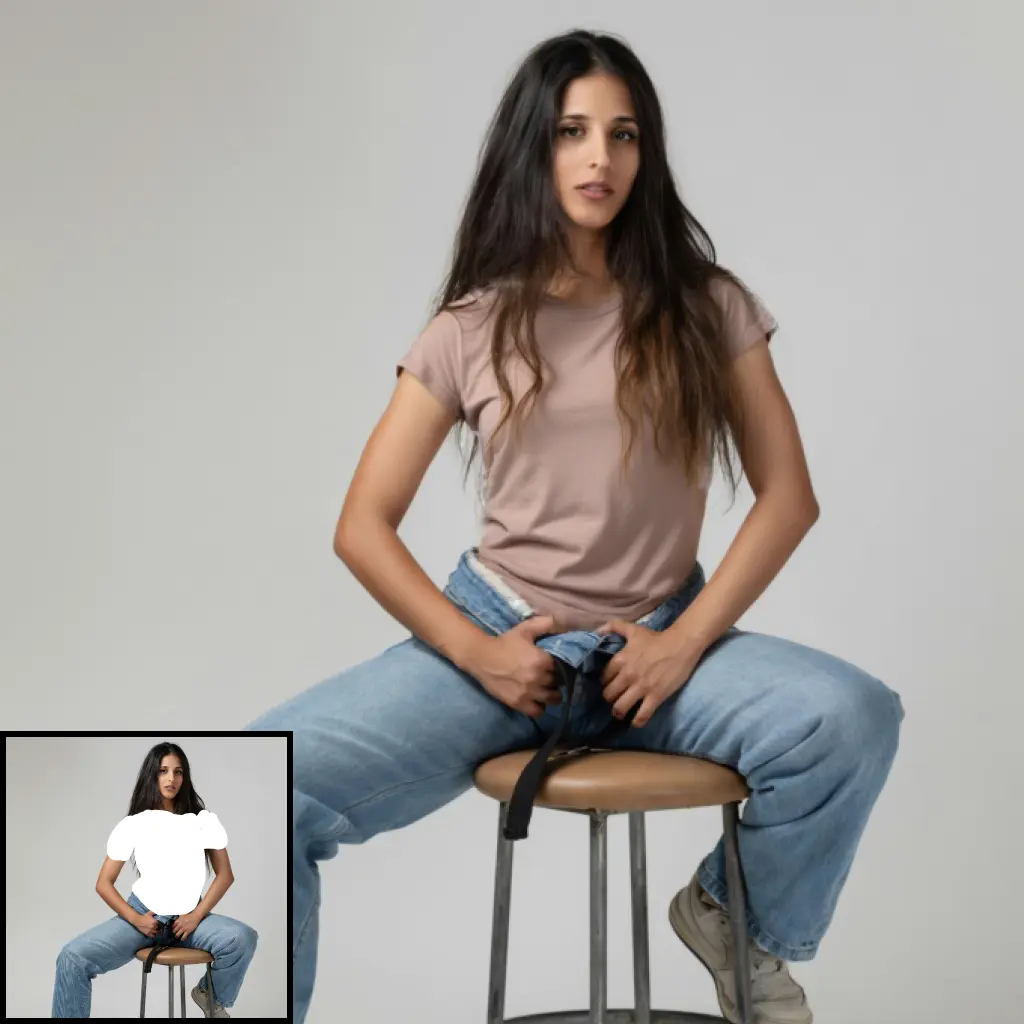
ComfyUI-Advanced-Tile-Processing Introduction
ComfyUI-Advanced-Tile-Processing is a sophisticated extension designed specifically for ComfyUI, aimed at overcoming the challenges of generating and processing ultra-high-resolution images. This extension is particularly beneficial for AI artists who work with large-scale images, such as 4K, 8K, or even higher resolutions, on consumer-grade graphics cards. By employing intelligent tiling and advanced merging techniques, it effectively addresses the issue of VRAM (Video Random Access Memory) limitations, allowing for stable processing without running into memory overflow problems.
How ComfyUI-Advanced-Tile-Processing Works
At its core, ComfyUI-Advanced-Tile-Processing operates by dividing large images into smaller, manageable tiles. This process, known as tiling, allows each tile to be processed individually, which significantly reduces the memory load on your graphics card. Once the tiles are processed, they are seamlessly merged back together using advanced blending techniques. This ensures that the final image is free from visible seams or artifacts, maintaining the integrity and quality of the original image.
Imagine you have a large puzzle. Instead of trying to fit the entire puzzle into a small workspace, you break it down into smaller sections. You work on each section individually and then piece them back together to form the complete picture. This is similar to how this extension processes images, making it possible to handle very large images even with limited hardware resources.
ComfyUI-Advanced-Tile-Processing Features
- Smart Dimension Awareness: Automatically calculates the optimal coordinates for slicing the image, ensuring complete coverage without introducing black borders. This feature prevents artifacts that can occur when the model tries to fill in missing areas.
- Advanced Blending Techniques: Offers multiple blending modes, including linear, Gaussian, multi-band (Laplacian Pyramid), and direct stitching. Each mode provides different levels of blending quality and can be selected based on the specific needs of your project.
- Histogram Matching: Uses the Reinhard algorithm to match the color distribution of adjacent tiles before merging, eliminating color discrepancies.
- Optimal Seamline Calculation: Utilizes dynamic programming to find the path of least resistance for seams, avoiding cuts through important content.
- Metadata-Driven Workflow: The Splitter node generates a unique
TILE_CONFIGobject containing all necessary metadata for merging, simplifying the process for users. - High Performance Architecture: Built on PyTorch tensor operations with GPU acceleration, ensuring efficient processing of large images.
- Dynamic Size Support (Tiled Upscale): Allows for dynamic resizing of tiles, enabling upscaling after tiling. The Merger node automatically adjusts the canvas size to accommodate changes.
ComfyUI-Advanced-Tile-Processing Models
This extension does not specifically mention different models, but it provides various modes and settings that can be adjusted to suit different types of image processing tasks. These settings allow you to tailor the processing to achieve the best results for your specific needs.
What's New with ComfyUI-Advanced-Tile-Processing
The extension is continuously updated to improve performance and add new features. Each update focuses on enhancing the user experience and expanding the capabilities of the extension. For instance, recent updates have introduced more sophisticated blending techniques and improved the efficiency of the seamline calculation, making it easier for AI artists to achieve high-quality results.
Troubleshooting ComfyUI-Advanced-Tile-Processing
Here are some common issues you might encounter while using the extension, along with solutions:
- Edges of the merged image have faint lines: Increase the
overlapsetting (recommended to be at least 64) and ensure theblend_modeis set togaussianormulti_band. Also, check thedenoisesetting during repainting, as high denoise levels can cause significant changes in tile content. - Latent space merging support: While supported, latent space merging uses hard cuts due to the nature of VAE encoders, which might result in slight color discrepancies after decoding. It's generally recommended to perform the final merge in the image space.
- Slow multi-band blending: Multi-band blending involves building image pyramids, which can be slow. For real-time applications, consider using the Gaussian mode or reducing the number of pyramid layers.
- Unexpected seamline cuts: Try increasing the
seam_search_radiusto keep the seamline near the center or switch toseam_mode="middle". - Multiple images output despite node connections: Ensure you are using the
Advanced Tile Mergerand have correctly connected thetile_config. If the output is still a list, check if any non-list supporting nodes are connected after the Merger.
Learn More about ComfyUI-Advanced-Tile-Processing
To further explore the capabilities of ComfyUI-Advanced-Tile-Processing, you can access additional resources such as tutorials, detailed documentation, and community forums. These resources provide valuable insights and support, helping you make the most of this powerful extension. Engaging with the community can also offer practical tips and creative ideas for your projects.