



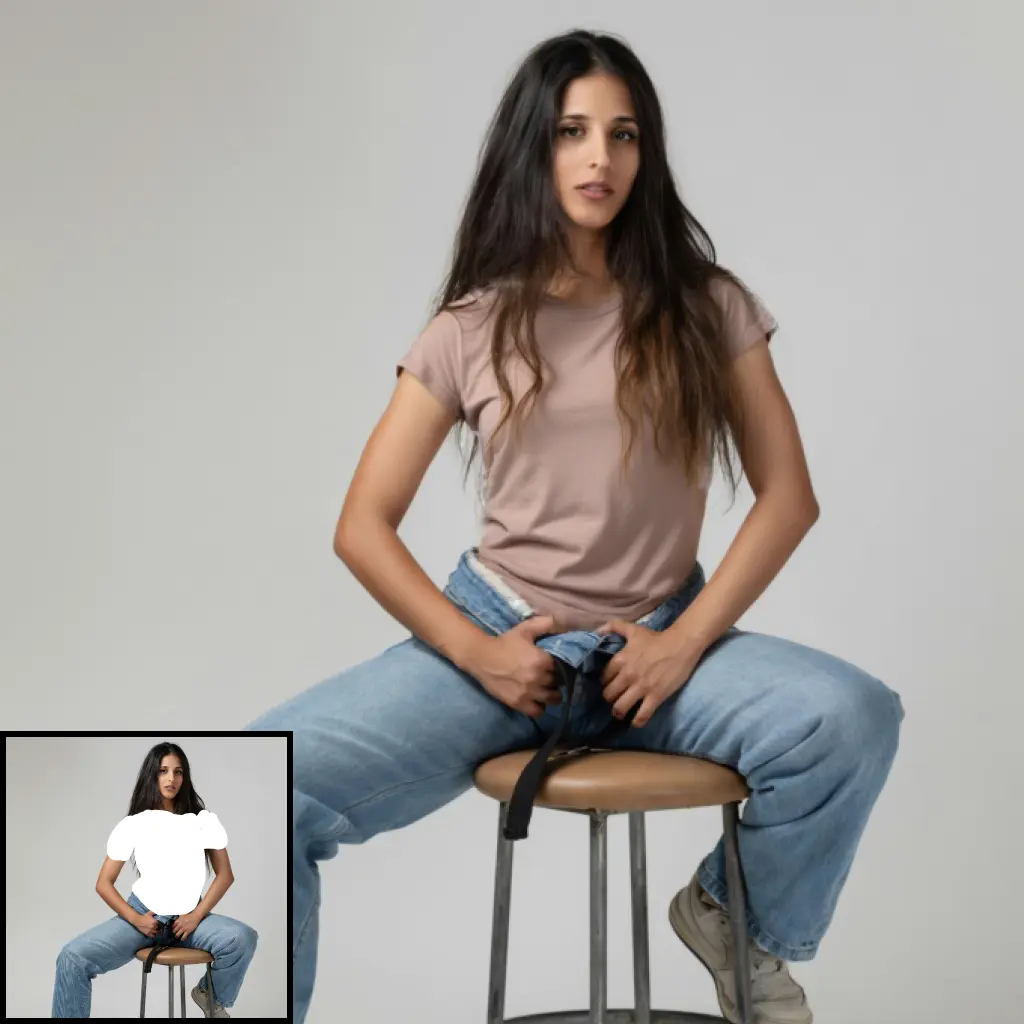
LM Studio (Image to Text):
Expo Lmstudio Image To Text is a powerful node designed to convert visual content into textual descriptions, making it an essential tool for AI artists who wish to extract meaningful information from images. This node leverages advanced machine learning models to analyze images and generate descriptive text that captures the essence and details of the visual input. By transforming images into text, it enables users to better understand and categorize visual data, facilitating tasks such as content analysis, metadata generation, and accessibility enhancement. The node is particularly beneficial for those looking to automate the process of image annotation or to integrate image-to-text capabilities into larger AI workflows. Its primary goal is to provide accurate and contextually relevant text outputs that reflect the content of the input images, thereby enhancing the user's ability to interact with and utilize visual information in a textual format.
LM Studio (Image to Text) Input Parameters:
debug
The debug parameter is a boolean flag that, when enabled, provides detailed logging information during the node's execution. This includes printing the first 100 characters of the response received and logging statistics such as the number of tokens generated and the time taken to generate the first token. This parameter is particularly useful for troubleshooting and understanding the node's behavior, especially during development or when unexpected results occur. The default value is typically False, meaning debug information is not printed unless explicitly enabled.
auto_unload
The auto_unload parameter determines whether the model should be automatically unloaded after processing an image. This can help manage system resources by freeing up memory when the model is not in use. If set to "True", the model will be unloaded immediately if the unload_delay is set to zero. This parameter is crucial for optimizing performance in environments with limited resources or when processing large batches of images. The default value is usually "False", indicating that the model remains loaded unless specified otherwise.
unload_delay
The unload_delay parameter specifies the delay time before the model is unloaded, measured in seconds. This allows for a grace period during which the model remains loaded, potentially improving performance if multiple images are processed in quick succession. A value of zero means the model is unloaded immediately if auto_unload is set to "True". This parameter is important for balancing resource management with processing efficiency, especially in dynamic workflows where the frequency of image processing may vary.
LM Studio (Image to Text) Output Parameters:
result.content
The result.content output parameter contains the textual description generated from the input image. This output is the primary result of the node's processing and provides a narrative or descriptive text that reflects the content and context of the image. The text is designed to be human-readable and informative, capturing key elements and details present in the visual input. This output is crucial for applications that require textual representation of images, such as automated reporting, content management, and accessibility tools.
LM Studio (Image to Text) Usage Tips:
- Enable the
debugparameter to gain insights into the node's processing and troubleshoot any issues that arise during execution. - Use the
auto_unloadandunload_delayparameters to manage system resources effectively, especially when working with large datasets or in environments with limited memory. - Consider the context and purpose of the image-to-text conversion when interpreting the
result.contentoutput, as this will help in aligning the generated text with your specific application needs.
LM Studio (Image to Text) Common Errors and Solutions:
Failed to unload model
- Explanation: This error occurs when the node attempts to unload the model, but an issue prevents it from doing so, possibly due to resource locks or system constraints.
- Solution: Ensure that no other processes are using the model and that sufficient system resources are available. Consider increasing the
unload_delayto allow for a smoother unloading process.
Unexpected output format
- Explanation: The generated text does not match the expected format or content, which may be due to incorrect input parameters or model configuration.
- Solution: Verify that the input image is correctly formatted and that all parameters are set appropriately. Enable
debugmode to gather more information about the processing and adjust settings as needed.