🐳遮罩图像拼接:
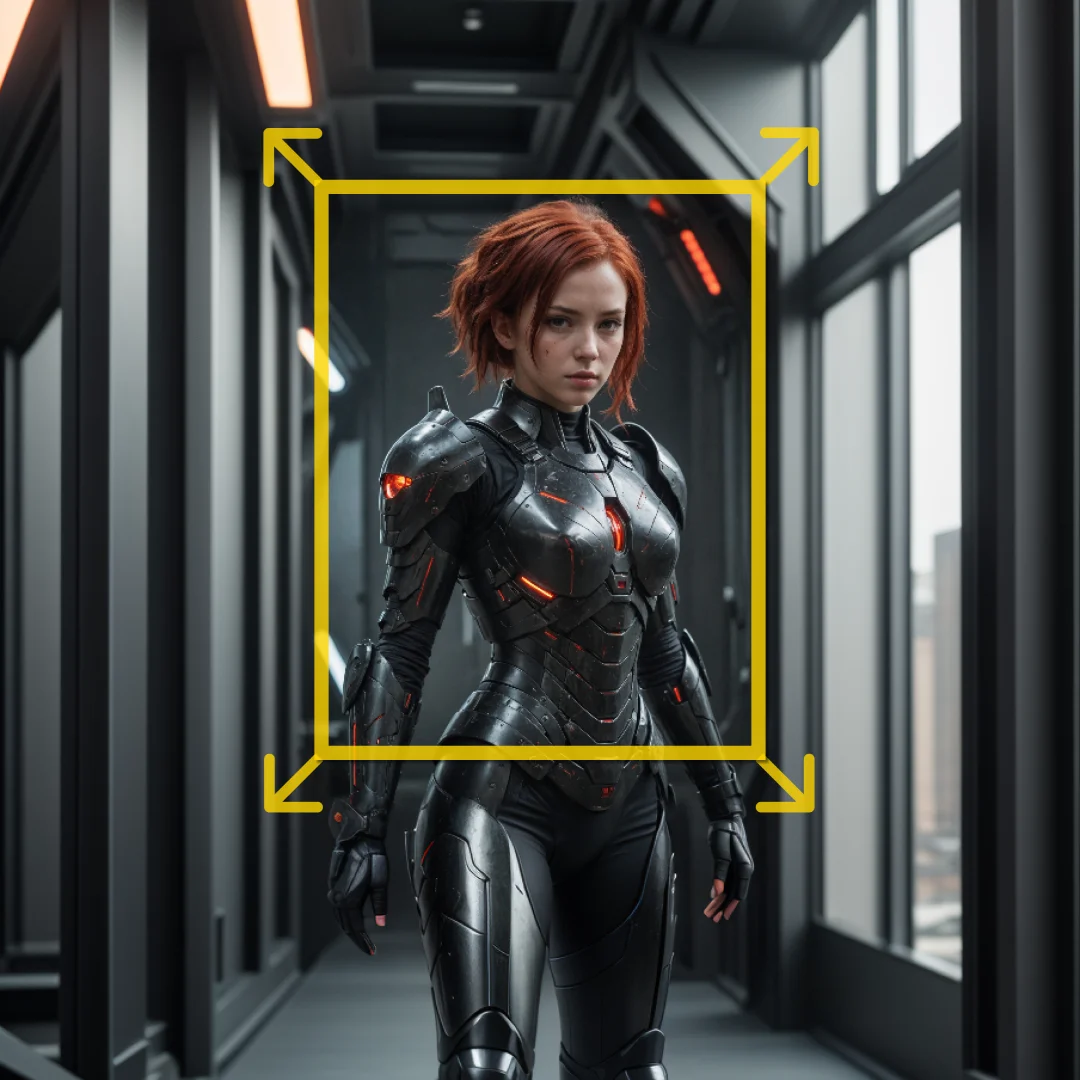
The AdvancedMaskImageComposite node is designed to facilitate the seamless integration of images using advanced masking techniques. This node allows you to overlay one image onto another with precision, utilizing a mask to define the areas of the source image that should be visible in the final composite. This capability is particularly beneficial for creating complex image compositions where specific parts of an image need to be highlighted or blended with another. By leveraging this node, you can achieve sophisticated visual effects and enhance your creative projects with ease. The node's primary goal is to provide a flexible and powerful tool for image compositing, making it an essential component for AI artists looking to refine their artwork with detailed overlays and intricate designs.
🐳遮罩图像拼接 Input Parameters:
destination
The destination parameter is the base image onto which the source image will be overlaid. It serves as the canvas for the composite operation. The quality and resolution of the destination image can significantly impact the final output, as it determines the overall dimensions and background of the composite.
source
The source parameter is the image that will be overlaid onto the destination image. This image can be resized and masked according to the specified parameters, allowing for precise control over which parts of the source image are visible in the final composite.
x
The x parameter specifies the horizontal position where the source image will be placed on the destination image. It is an integer value with a default of 0, and it can range from 0 to the maximum resolution supported by the node. Adjusting this value allows you to control the horizontal alignment of the source image within the composite.
y
The y parameter determines the vertical position where the source image will be placed on the destination image. Similar to the x parameter, it is an integer value with a default of 0, and it can range from 0 to the maximum resolution supported by the node. This parameter is crucial for aligning the source image vertically within the composite.
resize_source
The resize_source parameter is a boolean that indicates whether the source image should be resized to fit within the destination image. By default, this is set to False. Enabling this option ensures that the source image is scaled appropriately, preventing any parts from being cut off or extending beyond the boundaries of the destination image.
mask
The mask parameter is an optional input that defines the areas of the source image that should be visible in the final composite. It allows for selective transparency, enabling you to create intricate overlays by specifying which parts of the source image should be blended with the destination image. If no mask is provided, the entire source image will be used.
🐳遮罩图像拼接 Output Parameters:
output
The output parameter is the resulting image after the composite operation has been applied. It combines the destination and source images according to the specified parameters, including position, resizing, and masking. The output image reflects the final visual composition, showcasing the integrated elements from both the destination and source images.
🐳遮罩图像拼接 Usage Tips:
- To achieve precise alignment of the source image, experiment with the
xandyparameters to position the overlay exactly where you want it on the destination image. - Utilize the
maskparameter to create complex compositions by selectively revealing parts of the source image. This can be particularly useful for blending textures or adding specific details to your artwork. - Consider enabling the
resize_sourceoption if the source image is larger than the destination image or if you want to ensure that the entire source image fits within the composite.
🐳遮罩图像拼接 Common Errors and Solutions:
Image dimensions mismatch
- Explanation: This error occurs when the source image dimensions exceed the destination image dimensions without resizing.
- Solution: Enable the
resize_sourceoption to ensure the source image fits within the destination image boundaries.
Mask not applied correctly
- Explanation: This issue arises when the mask does not align with the source image, leading to unexpected transparency.
- Solution: Verify that the mask dimensions match the source image dimensions and adjust the mask accordingly to ensure proper alignment.
Unexpected output appearance
- Explanation: The composite may not look as expected due to incorrect parameter settings or misalignment.
- Solution: Double-check the
x,y, andmaskparameters to ensure they are set correctly, and adjust them as needed to achieve the desired composite effect.