Kling V3:
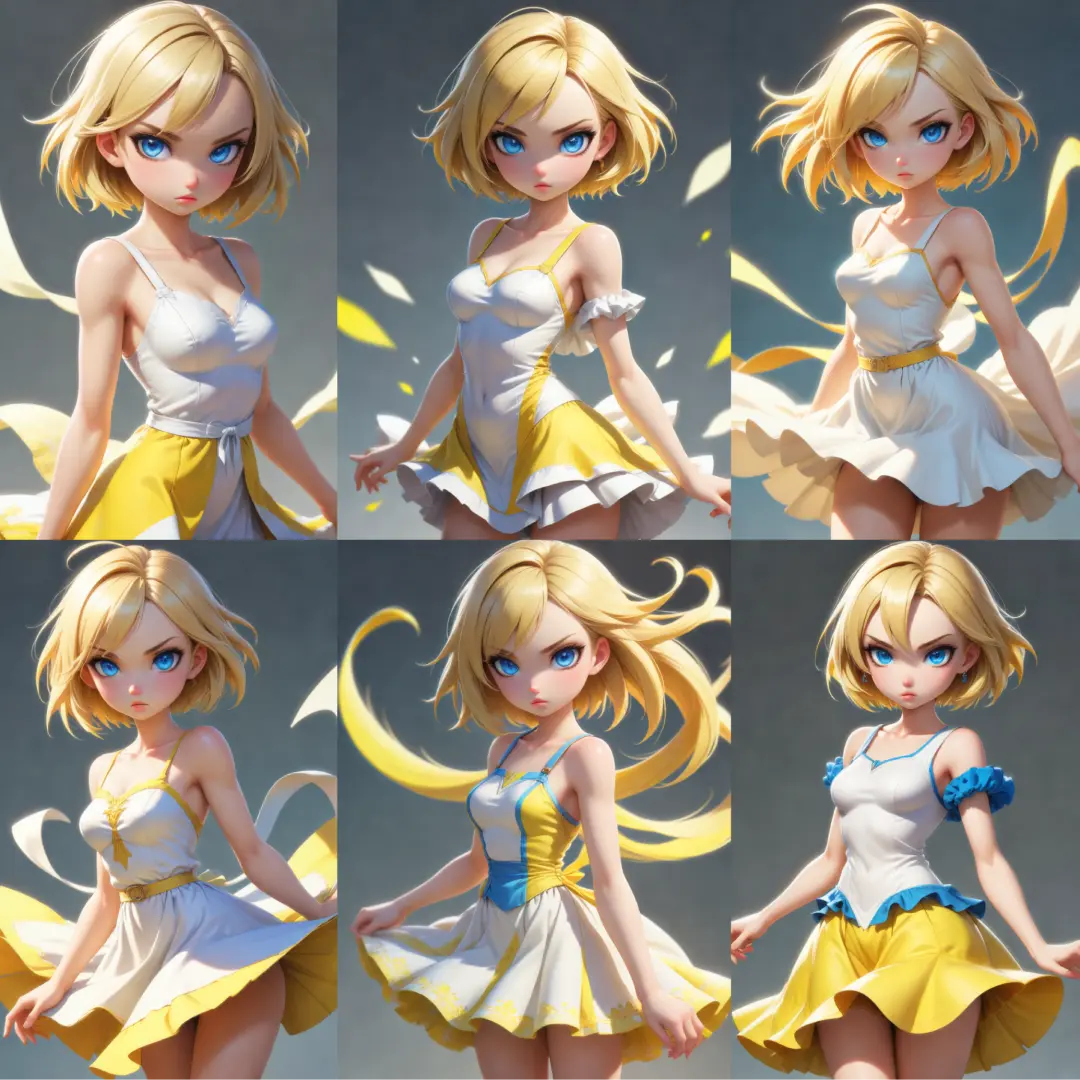
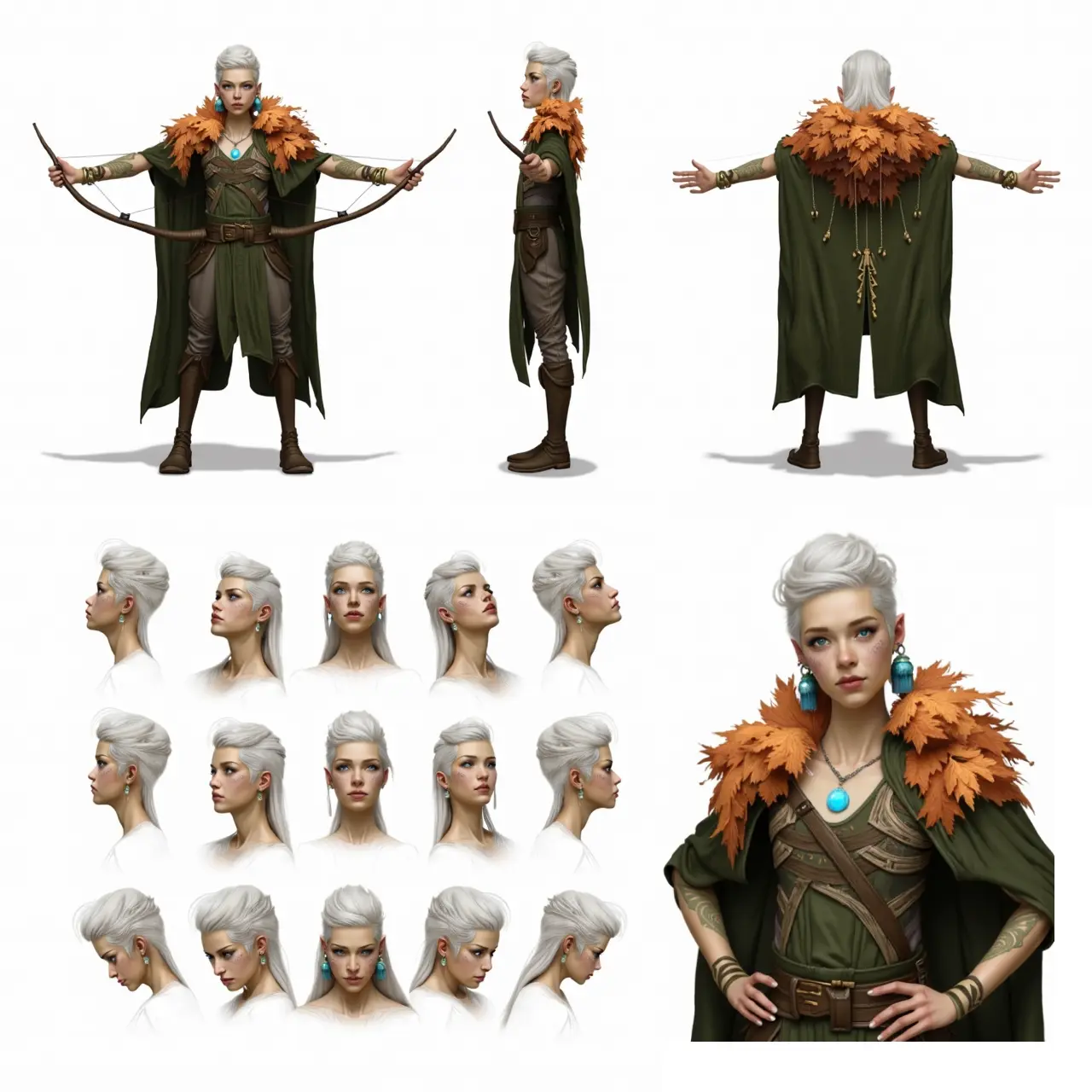
CivitaiVideoGenKlingV3 is a powerful node designed for generating videos using the Kling V3 engine within the Civitai orchestration framework. This node allows you to create dynamic video content by leveraging a variety of input parameters that control aspects such as duration, aspect ratio, and source images. It is particularly beneficial for AI artists looking to transform textual prompts into engaging video sequences, offering a seamless integration of visual and audio elements. The node's flexibility in handling different modes and operations makes it a versatile tool for creative video generation, enabling users to experiment with various configurations to achieve their desired artistic outcomes.
Kling V3 Input Parameters:
prompt
The prompt parameter is a string input that serves as the primary textual description or theme for the video you wish to generate. It guides the video generation process by providing the conceptual basis for the visual content. This parameter is crucial as it directly influences the narrative and aesthetic of the resulting video.
operation
The operation parameter specifies the type of operation to be performed during the video generation process. It allows you to define the nature of the transformation or effect applied to the video content, impacting the overall style and presentation of the final output.
mode
The mode parameter determines the operational mode of the video generation process. It influences how the input parameters are interpreted and applied, affecting the creative direction and technical execution of the video.
duration
The duration parameter is an integer that sets the length of the generated video in seconds. It ranges from a minimum of 4 seconds to a maximum of 12 seconds, with a default value of 4 seconds. This parameter is essential for controlling the temporal aspect of the video, allowing you to tailor the length to suit your artistic vision.
aspect_ratio
The aspect_ratio parameter defines the width-to-height ratio of the video. Options include "auto," "16:9," and "9:16," with "auto" as the default setting. This parameter is important for ensuring that the video fits the desired display format, whether for traditional screens or mobile devices.
source_image
The source_image parameter allows you to provide an inline image that serves as the starting point or reference for the video generation. This image can influence the initial visual elements and set the tone for the video content.
end_image
The end_image parameter is similar to the source_image but serves as the concluding visual reference for the video. It helps define the final frame or visual state of the video, contributing to the narrative closure.
video_url
The video_url parameter accepts a URL pointing to an existing video that can be used as a reference or source material for the generation process. This allows for the incorporation of external video content into the creative workflow.
images
The images parameter is a list of images that can be used throughout the video generation process. These images provide additional visual resources that can be integrated into the video, enhancing its richness and diversity.
elements_json
The elements_json parameter is a JSON input that specifies various elements or components to be included in the video. This structured data allows for precise control over the inclusion and arrangement of visual and audio elements.
generate_audio
The generate_audio parameter is a boolean value that determines whether audio should be generated alongside the video. Enabling this option adds an auditory dimension to the video, enhancing its immersive quality.
voice_ids_json
The voice_ids_json parameter is a JSON input that specifies the IDs of voices to be used if audio generation is enabled. This allows for the selection of specific voice profiles, contributing to the personalization of the audio content.
keep_audio
The keep_audio parameter is a boolean value that decides whether to retain the original audio from the source video, if applicable. This option is useful for preserving existing soundtracks or dialogue in the final output.
multi_prompt_json
The multi_prompt_json parameter is a JSON input that allows for the inclusion of multiple prompts, enabling complex and layered narrative structures within the video. This feature supports the creation of multifaceted video content with diverse thematic elements.
Kling V3 Output Parameters:
video
The video output is the final video file generated by the node. It encapsulates the visual and audio content created based on the input parameters, serving as the primary deliverable of the video generation process.
workflow_id
The workflow_id output is a string that uniquely identifies the workflow or process instance used to generate the video. It is useful for tracking and referencing specific video generation sessions within the Civitai framework.
raw_json
The raw_json output provides a JSON representation of the video generation process, including metadata and configuration details. This output is valuable for debugging, analysis, and documentation purposes, offering insights into the underlying operations and settings.
Kling V3 Usage Tips:
- Experiment with different
promptandoperationcombinations to explore a wide range of creative possibilities and achieve unique video styles. - Utilize the
aspect_ratioparameter to ensure your video is optimized for the intended display platform, whether it's a widescreen monitor or a vertical mobile screen. - Leverage the
generate_audioandvoice_ids_jsonparameters to add a personalized audio layer to your video, enhancing its emotional impact and engagement.
Kling V3 Common Errors and Solutions:
Invalid prompt format
- Explanation: The
promptparameter may contain unsupported characters or formatting. - Solution: Ensure the prompt is a plain text string without special characters or unsupported formatting.
Duration out of range
- Explanation: The
durationparameter is set outside the allowed range of 4 to 12 seconds. - Solution: Adjust the duration to fall within the specified range to ensure proper video generation.
Unsupported aspect ratio
- Explanation: The
aspect_ratioparameter is set to a value not recognized by the node. - Solution: Use one of the supported aspect ratios: "auto," "16:9," or "9:16" to resolve the issue.