qwen2 / createImage:
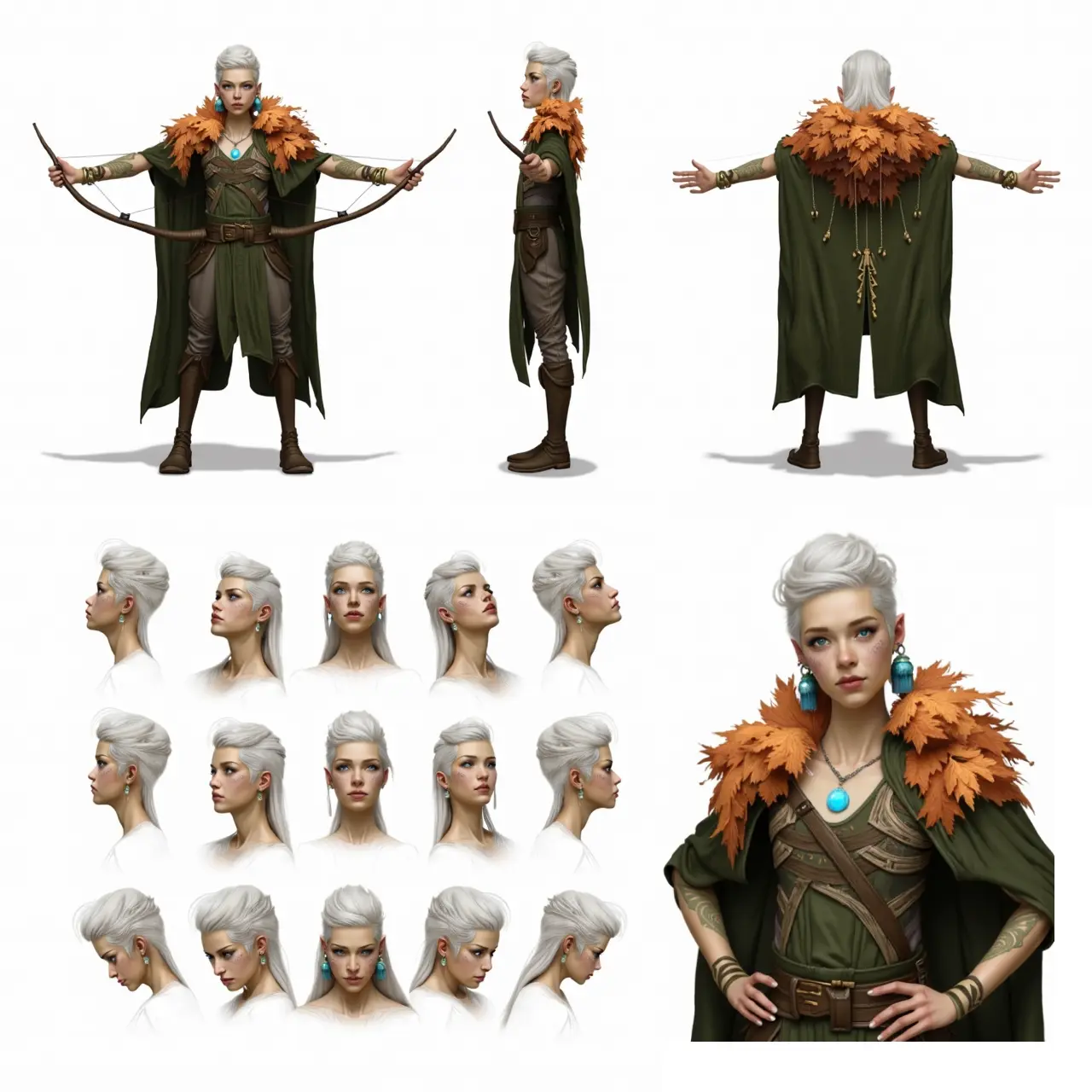
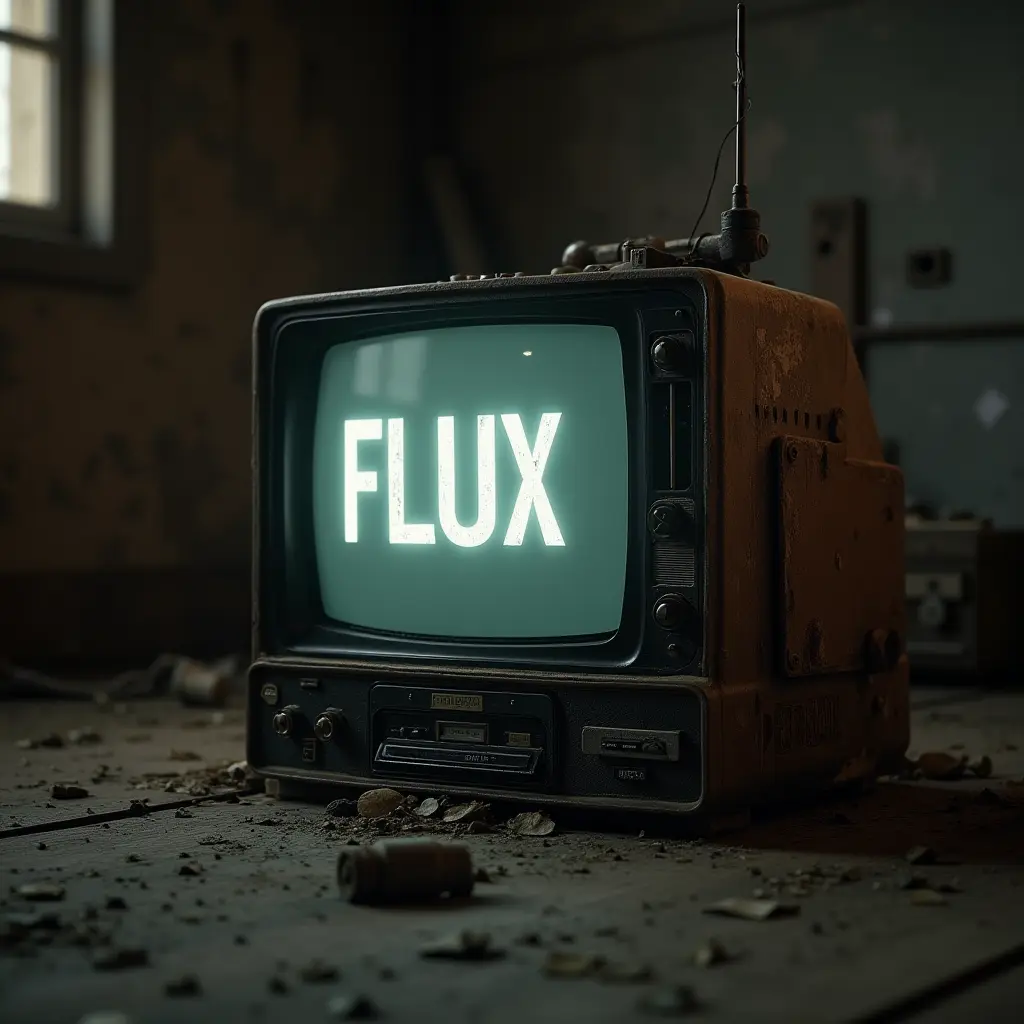
The CivitaiImageGenFalQwen2CreateImage node is designed to facilitate the creation of images using the Qwen2 image generation recipe via Civitai Orchestration. This node leverages advanced AI algorithms to generate high-quality images based on user-defined prompts and configurations. It is particularly beneficial for AI artists looking to explore creative possibilities and generate unique visual content. The node's primary function is to interpret textual prompts and transform them into visual representations, offering a seamless integration of AI-driven creativity into your artistic workflow. By utilizing this node, you can experiment with various styles and compositions, making it an essential tool for expanding your creative horizons.
qwen2 / createImage Input Parameters:
prompt
The prompt parameter is a string input that serves as the primary directive for the image generation process. It allows you to specify the theme, style, or subject matter of the image you wish to create. This parameter supports multiline input, enabling you to provide detailed and complex descriptions. The default value is an empty string, and there are no strict limitations on the content, allowing for a wide range of creative expression.
output_format
The output_format parameter determines the file format of the generated image. You can choose from options such as jpeg, png, and webP, with the default being an empty string, which typically defaults to a standard format like jpeg. This parameter impacts the quality and compatibility of the output image, allowing you to select the format that best suits your needs.
image_metadata
The image_metadata parameter is a string input that allows you to attach external metadata to the generated image. This metadata can include information such as the creation date, author, or any other relevant details you wish to store with the image. The default value is an empty string, and it serves as a useful tool for organizing and cataloging your generated images.
negative_prompt
The negative_prompt parameter is a string input that specifies elements or features you wish to exclude from the generated image. Similar to the prompt parameter, it supports multiline input and has a default value of an empty string. This parameter helps refine the image generation process by guiding the AI to avoid certain aspects, ensuring the final output aligns with your creative vision.
quantity
The quantity parameter is an integer input that defines the number of images to generate in a single execution. It ranges from a minimum of 1 to a maximum of 10, with a default value of 1. This parameter allows you to produce multiple variations of an image based on the same prompt, providing a broader spectrum of creative options.
image_size
The image_size parameter specifies the dimensions of the generated image. You can choose from predefined options such as square_hd, square, portrait_4_3, portrait_16_9, landscape_4_3, and landscape_16_9, with the default being square_hd. This parameter affects the aspect ratio and resolution of the output image, enabling you to tailor the size to your specific requirements.
seed
The seed parameter is an integer input that influences the randomness of the image generation process. It ranges from 0 to 4294967295, with a default value of 0. By setting a specific seed value, you can reproduce the same image output across different runs, ensuring consistency and repeatability in your creative projects.
enable_prompt_expansion
The enable_prompt_expansion parameter is a boolean input that determines whether the AI should expand the provided prompt with additional context or details. The default value is True, which allows the AI to enhance the prompt for more detailed and nuanced image generation. Disabling this option may result in a more literal interpretation of the prompt.
enable_safety_checker
The enable_safety_checker parameter is a boolean input that activates a safety mechanism to filter out potentially harmful or inappropriate content from the generated image. The default value is False, but enabling this option can help ensure that the output aligns with community guidelines and ethical standards.
api_config
The api_config parameter is a configuration input that manages the authentication and connection settings for accessing Civitai's API. It defaults to using the CIVITAI_API_TOKEN or stored OAuth login, providing a seamless integration with Civitai's services. This parameter is essential for ensuring secure and authorized access to the image generation capabilities.
qwen2 / createImage Output Parameters:
images
The images output parameter is a collection of generated images based on the provided input parameters. Each image is a visual representation of the prompt, reflecting the specified style, size, and format. This output is crucial for evaluating the effectiveness of the input parameters and serves as the final product of the image generation process.
qwen2 / createImage Usage Tips:
- Experiment with different
promptandnegative_promptcombinations to explore a wide range of creative possibilities and refine the output to match your artistic vision. - Utilize the
seedparameter to reproduce specific image outputs, which is particularly useful for iterative design processes or when sharing results with collaborators. - Consider enabling the
enable_safety_checkerto ensure that the generated content adheres to ethical standards and community guidelines, especially when working on public or shared projects.
qwen2 / createImage Common Errors and Solutions:
Invalid API Token
- Explanation: This error occurs when the API token provided in the
api_configparameter is invalid or expired. - Solution: Verify that your API token is correct and up-to-date. You may need to generate a new token from your Civitai account settings.
Unsupported Image Format
- Explanation: This error arises when an unsupported value is selected for the
output_formatparameter. - Solution: Ensure that the
output_formatis set to one of the supported options:jpeg,png, orwebP.
Exceeded Image Quantity Limit
- Explanation: This error occurs when the
quantityparameter exceeds the maximum allowed value. - Solution: Adjust the
quantityparameter to a value within the allowed range of 1 to 10.