




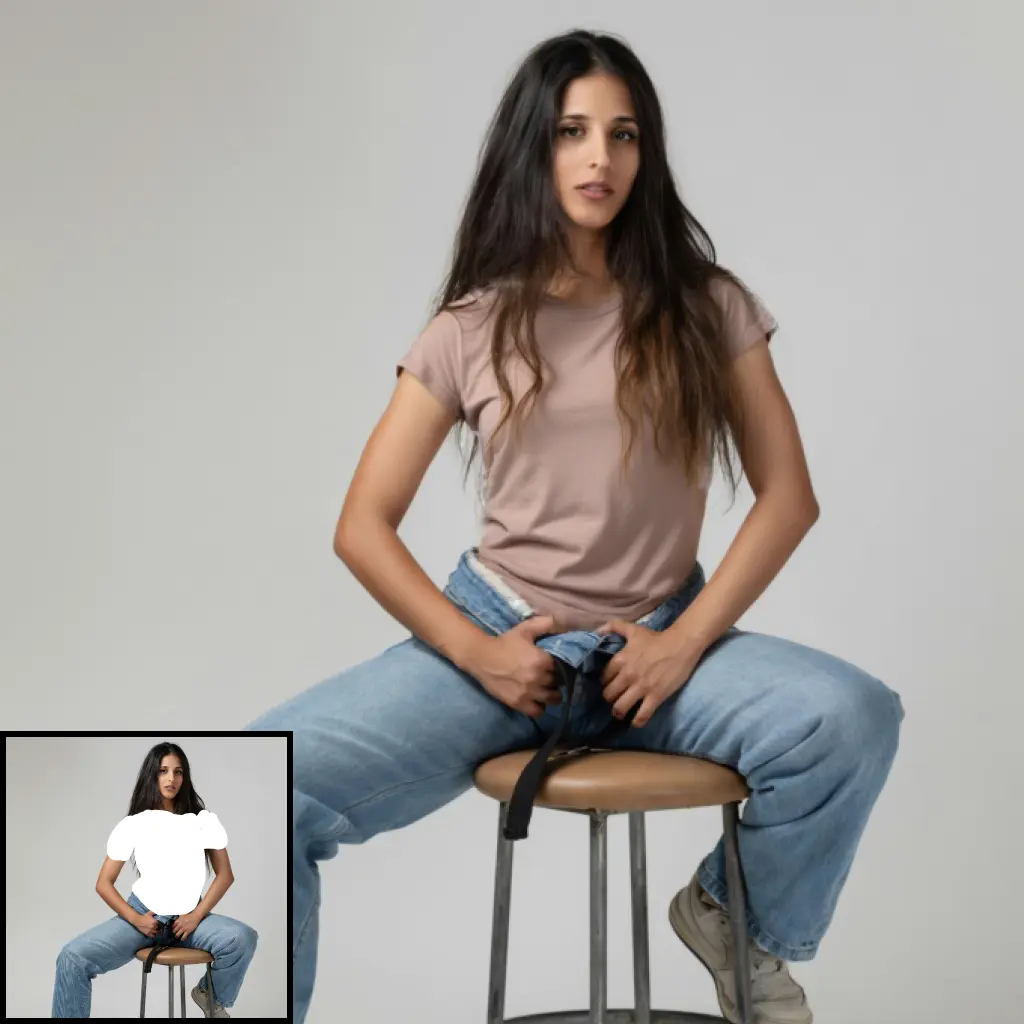
Invert Mask:
The XIS_InvertMask node is designed to perform an inversion operation on input masks, which are typically used in image processing to define areas of interest or exclusion. This node is particularly useful in scenarios where you need to reverse the areas defined by a mask, effectively swapping the masked and unmasked regions. By inverting the mask, you can easily toggle between focusing on the foreground and background elements of an image. This capability is essential for tasks such as image compositing, where precise control over which parts of an image are visible or affected by subsequent operations is crucial. The node ensures that the inversion process is handled efficiently and accurately, maintaining the integrity of the mask's dimensions and values.
Invert Mask Input Parameters:
mask
The mask parameter is the primary input for the XIS_InvertMask node. It represents the mask that you wish to invert. This mask is typically a tensor that defines which parts of an image are selected or excluded. The mask should be in a valid format, usually a 2D or 3D tensor, where the values range between 0 and 1. A value of 0 indicates a fully transparent area, while a value of 1 indicates a fully opaque area. The inversion process will swap these values, turning transparent areas opaque and vice versa. This parameter is crucial as it directly influences the outcome of the inversion operation.
invert_mask
The invert_mask parameter is a boolean input that determines whether the mask should be inverted. By default, this parameter is set to False, meaning the mask will not be inverted unless explicitly specified. When set to True, the node will perform the inversion operation, effectively reversing the mask's values. This parameter provides flexibility, allowing you to control the inversion process dynamically based on your specific needs.
Invert Mask Output Parameters:
output_mask
The output_mask is the result of the inversion operation performed by the XIS_InvertMask node. It is a tensor that mirrors the dimensions of the input mask but with inverted values. This means that areas that were previously masked (opaque) will become unmasked (transparent), and vice versa. The output mask is crucial for subsequent image processing tasks, as it defines the new areas of interest or exclusion based on the inversion operation. The precision of the output is maintained by ensuring the values remain within the valid range of 0 to 1.
Invert Mask Usage Tips:
- Ensure that the input mask is correctly formatted and within the valid range of 0 to 1 to avoid unexpected results during inversion.
- Use the
invert_maskparameter to toggle the inversion operation dynamically, allowing for flexible control over the mask processing workflow. - Consider the dimensions of the input mask and ensure they match the expected input size for your specific application to maintain consistency in the output.
Invert Mask Common Errors and Solutions:
Empty mask batch received
- Explanation: This error occurs when the input mask batch is empty, meaning no valid mask data was provided for processing.
- Solution: Verify that the input mask is correctly loaded and not empty before passing it to the node. Ensure that the data source is correctly configured and that the mask is properly formatted.
Mask has invalid dimensions: <mask.shape>
- Explanation: This error indicates that the input mask has dimensions that are not supported by the node, such as a shape that is neither 2D nor 3D.
- Solution: Check the dimensions of the input mask and ensure it conforms to the expected format. Adjust the mask dimensions if necessary to match the required input size.