



ComfyUI Extension: ComfyUI Qwen-Image Node
ComfyUI_RH_Qwen-Image
HM-RunningHub (Account age: 368 days) Nodes
View all nodes(3) Latest Updated
2025-08-05 Github Stars
0.09K
How to Install ComfyUI Qwen-Image Node
Install this extension via the ComfyUI Manager by searching for ComfyUI Qwen-Image Node- 1. Click the Manager button in the main menu
- 2. Select Custom Nodes Manager button
- 3. Enter ComfyUI Qwen-Image Node in the search bar
Visit ComfyUI Online for ready-to-use ComfyUI environment
- Free trial available
- 16GB VRAM to 80GB VRAM GPU machines
- 400+ preloaded models/nodes
- Freedom to upload custom models/nodes
- 200+ ready-to-run workflows
- 100% private workspace with up to 200GB storage
- Dedicated Support
ComfyUI Qwen-Image Node Description
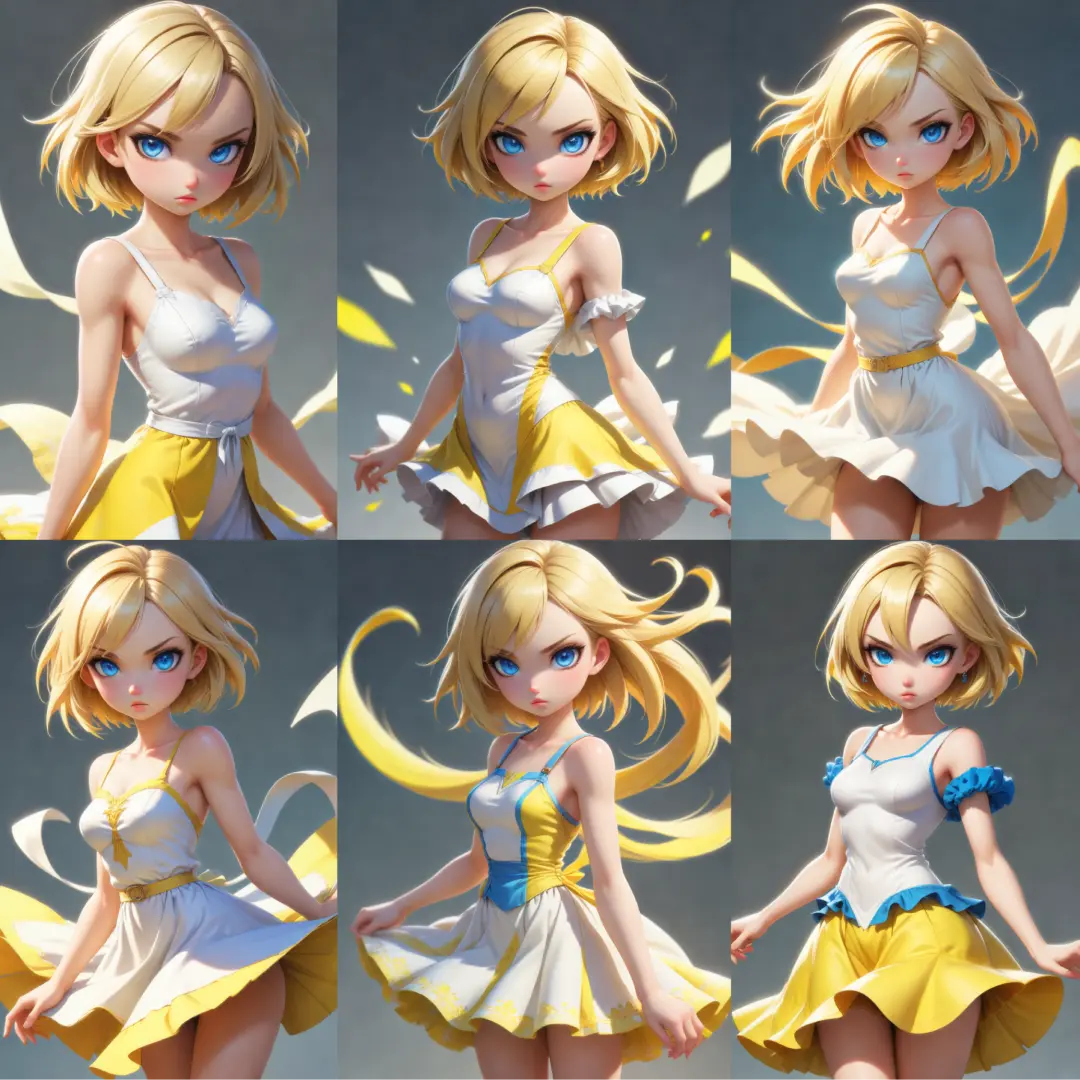
ComfyUI Qwen-Image Node is a custom node for ComfyUI that incorporates Alibaba's Qwen-Image model, enabling high-quality image generation with superior text rendering features.
ComfyUI_RH_Qwen-Image Introduction
ComfyUI_RH_Qwen-Image is an extension designed for ComfyUI, a powerful visual AI engine. This extension leverages the Qwen-Image model, developed by Alibaba's Tongyi Qianwen team, to generate high-quality images and render complex text layouts. It is particularly optimized for Chinese text rendering, making it an excellent tool for artists who work with multilingual content. The extension addresses the need for high-quality image generation with precise text integration, offering a robust solution for creating visually appealing and textually accurate images.
How ComfyUI_RH_Qwen-Image Works
At its core, ComfyUI_RH_Qwen-Image utilizes a 20 billion parameter MMDiT architecture, which is a type of diffusion model. Diffusion models are a class of generative models that create images by iteratively refining random noise into a coherent image, guided by a text prompt. This process is akin to sculpting a block of marble into a detailed statue, where the initial block represents random noise and the final statue is the generated image. The model is trained to understand and render complex text, especially in Chinese, by learning from vast datasets of images and text.
ComfyUI_RH_Qwen-Image Features
- High-Quality Image Generation: The extension is built on a robust architecture that ensures the production of high-resolution images with intricate details.
- Advanced Text Rendering: It excels in rendering complex text layouts, particularly in Chinese, making it ideal for creating images with integrated text.
- Multiple Aspect Ratios: Supports various preset aspect ratios like 1:1, 16:9, 9:16, 4:3, and 3:4, allowing flexibility in image composition.
- Multi-Language Support: Automatically detects and enhances prompts in both English and Chinese, ensuring optimal text rendering.
- Rich Parameter Control: Offers detailed control over parameters such as CFG scale, inference steps, and random seed, enabling artists to fine-tune the image generation process.
- Batch Generation: Capable of generating multiple image variants in one go, saving time and effort.
- Prompt Enhancement: Automatically optimizes and enhances user input prompts to improve the quality of the generated images.
- Real-Time Progress Bar: Displays detailed progress information and time estimates during the image generation process.
- Memory Optimization: Efficiently manages memory usage, allowing the extension to run on systems with 24GB of GPU memory.
ComfyUI_RH_Qwen-Image Models
The extension supports different models tailored for specific tasks:
- Qwen-Image: Ideal for text-to-image generation, this model is optimized for creating images from text prompts with high fidelity.
- Qwen-Image-Edit: Designed for image editing, this model allows for precise modifications of existing images, supporting single and multi-image inputs. It includes features like ControlNet for enhanced control over image attributes.
Troubleshooting ComfyUI_RH_Qwen-Image
Here are solutions to common issues you might encounter:
- "module diffusers has no attribute QwenImagePipeline" Error: This indicates an outdated version of the diffusers library. To resolve this, uninstall the current version and install the latest one using: bash pip uninstall diffusers -y pip install git+https://github.com/huggingface/diffusers
Restart ComfyUI after updating.
- Model Download Failures: Ensure a stable internet connection and sufficient disk space (approximately 20GB). Verify access to the HuggingFace Hub.
- GPU Memory Insufficiency: Close other GPU-intensive applications, reduce image size, or lower batch generation count. Enable CPU offload and VAE tiling optimizations in the model loader settings.
Learn More about ComfyUI_RH_Qwen-Image
For further exploration and support, consider the following resources:
- Qwen-Image on HuggingFace: Access the model repository for more details and updates.
- Qwen-Image Blog: Read about the latest developments and use cases.
- ComfyUI Community: Join the Discord community to connect with other users, share experiences, and get help.
- Tutorials and Examples: Explore example workflows and tutorials to enhance your understanding and usage of ComfyUI and its extensions.
ComfyUI Qwen-Image Node Related Nodes
RunComfy is the premier ComfyUI platform, offering ComfyUI online environment and services, along with ComfyUI workflows featuring stunning visuals. RunComfy also provides AI Models, enabling artists to harness the latest AI tools to create incredible art.