




Load Image (URL):
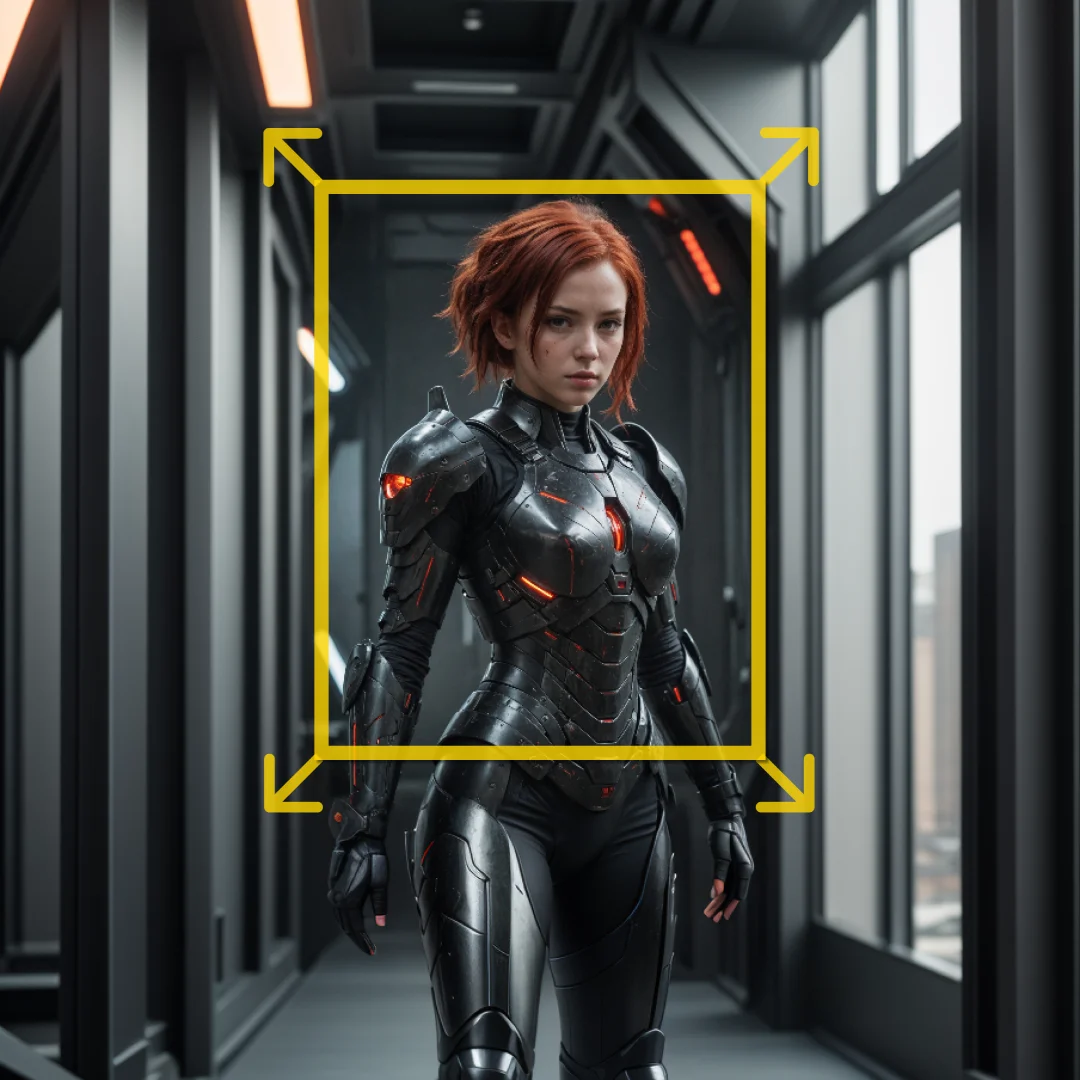
The LoadImageUrl node is designed to facilitate the retrieval and processing of images directly from a specified URL. This node is particularly useful for AI artists who need to incorporate remote images into their workflows without manually downloading them. By fetching images over the internet, it streamlines the process of integrating external visual resources into your projects. The node automatically handles the conversion of images into a format suitable for further processing, ensuring that they are ready for use in various AI-driven applications. Additionally, it provides a mask that can be used for tasks requiring transparency or segmentation, enhancing the versatility of the images you work with.
Load Image (URL) Input Parameters:
url
The url parameter is a string input that specifies the web address from which the image will be fetched. This parameter is crucial as it directs the node to the exact location of the image on the internet. The URL must be a valid and accessible link to an image file. There are no specific minimum or maximum values for this parameter, but it must be a properly formatted URL pointing to an image resource. The node does not support multiline URLs, so ensure that the URL is entered as a single line.
Load Image (URL) Output Parameters:
IMAGE
The IMAGE output is a processed version of the image retrieved from the specified URL. It is converted into an RGB format and normalized to a range suitable for AI processing, making it ready for use in various applications such as image generation, manipulation, or analysis. This output is essential for integrating external images into your AI projects seamlessly.
MASK
The MASK output provides a transparency mask derived from the alpha channel of the image, if available. This mask is a crucial component for tasks that require distinguishing between different parts of an image, such as segmentation or compositing. If the image does not contain an alpha channel, a default mask is generated, ensuring that the output is consistent and usable in scenarios where transparency information is needed.
Load Image (URL) Usage Tips:
- Ensure that the URL provided is accessible and points directly to an image file to avoid errors during the loading process.
- Use the mask output to handle transparency effectively in your projects, especially when working with images that include alpha channels.
Load Image (URL) Common Errors and Solutions:
HTTPError
- Explanation: This error occurs when the URL provided does not return a successful HTTP status code, indicating that the image could not be retrieved.
- Solution: Verify that the URL is correct and that the server hosting the image is accessible. Ensure that there are no typos in the URL and that the image is publicly available.
InvalidImageError
- Explanation: This error arises when the data retrieved from the URL is not a valid image format that can be processed.
- Solution: Check that the URL points directly to a valid image file. Ensure that the image format is supported (e.g., JPEG, PNG) and that the file is not corrupted.
ConnectionTimeout
- Explanation: This error indicates that the request to fetch the image from the URL took too long and timed out.
- Solution: Ensure a stable internet connection and try again. If the issue persists, consider increasing the timeout setting in the request or checking the server's response time.