



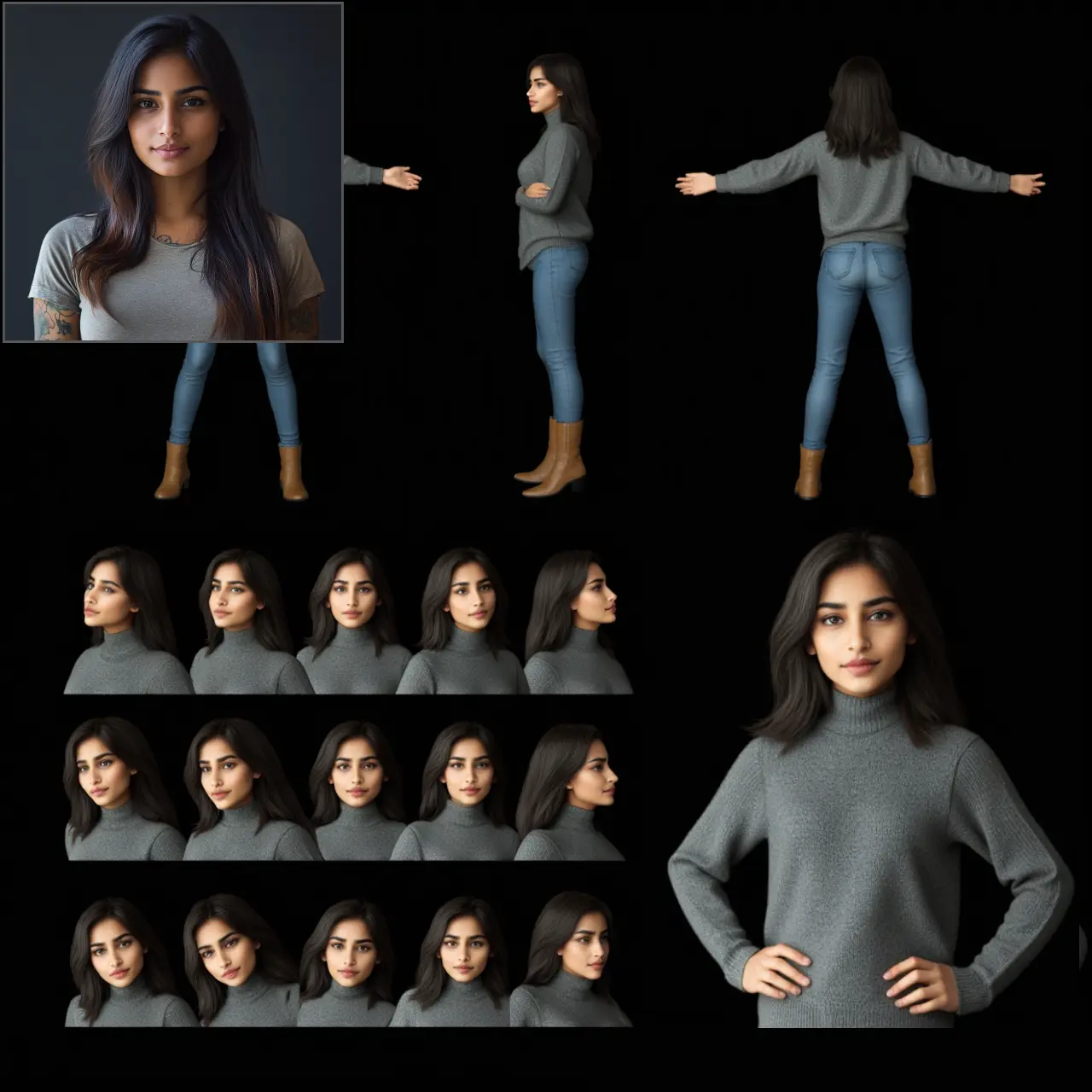
Prompt Style Encoder:
The CLIPTextEncodeStyles node is designed to enhance the creative process by encoding text prompts into embeddings using a CLIP model. This node is particularly beneficial for AI artists who wish to guide diffusion models in generating images that align with specific textual descriptions. By converting text into a format that the model can interpret, it allows for more precise control over the artistic output, ensuring that the generated images closely match the intended style or theme described in the text. This capability is crucial for artists looking to explore and experiment with different styles and themes in their AI-generated artwork.
Prompt Style Encoder Input Parameters:
text
The text parameter is the core input for this node, representing the textual description or prompt that you wish to encode. This parameter supports multiline input and dynamic prompts, allowing for complex and detailed descriptions. The text you provide here will be tokenized and transformed into an embedding that guides the diffusion model. There are no specific minimum or maximum values for this parameter, but the richness and clarity of the text can significantly impact the quality and relevance of the generated images.
clip
The clip parameter refers to the CLIP model used for encoding the text. This model is responsible for tokenizing the input text and generating the corresponding embeddings. It is crucial to ensure that a valid CLIP model is provided, as it directly influences the accuracy and effectiveness of the text encoding process. The node requires a properly configured CLIP model to function correctly, and any issues with the model can lead to errors in the encoding process.
Prompt Style Encoder Output Parameters:
conditioning
The conditioning output is an embedding that results from encoding the input text using the CLIP model. This embedding serves as a guide for the diffusion model, helping it generate images that are aligned with the textual description provided. The conditioning output is essential for achieving the desired artistic effect, as it encapsulates the semantic meaning of the text in a form that the model can interpret and act upon.
Prompt Style Encoder Usage Tips:
- Ensure that your text input is clear and descriptive to achieve the best results. The more detailed and specific your prompt, the more accurately the diffusion model can generate images that match your vision.
- Experiment with different CLIP models if available, as they may offer varying levels of performance and style interpretation. This can help you find the model that best suits your artistic needs.
Prompt Style Encoder Common Errors and Solutions:
ERROR: clip input is invalid: None
- Explanation: This error occurs when the
clipparameter is not provided or is invalid. It indicates that the node cannot proceed with encoding because the necessary CLIP model is missing. - Solution: Ensure that a valid CLIP model is loaded and correctly configured before using the node. Check your model settings and confirm that the model includes a text encoder component.