



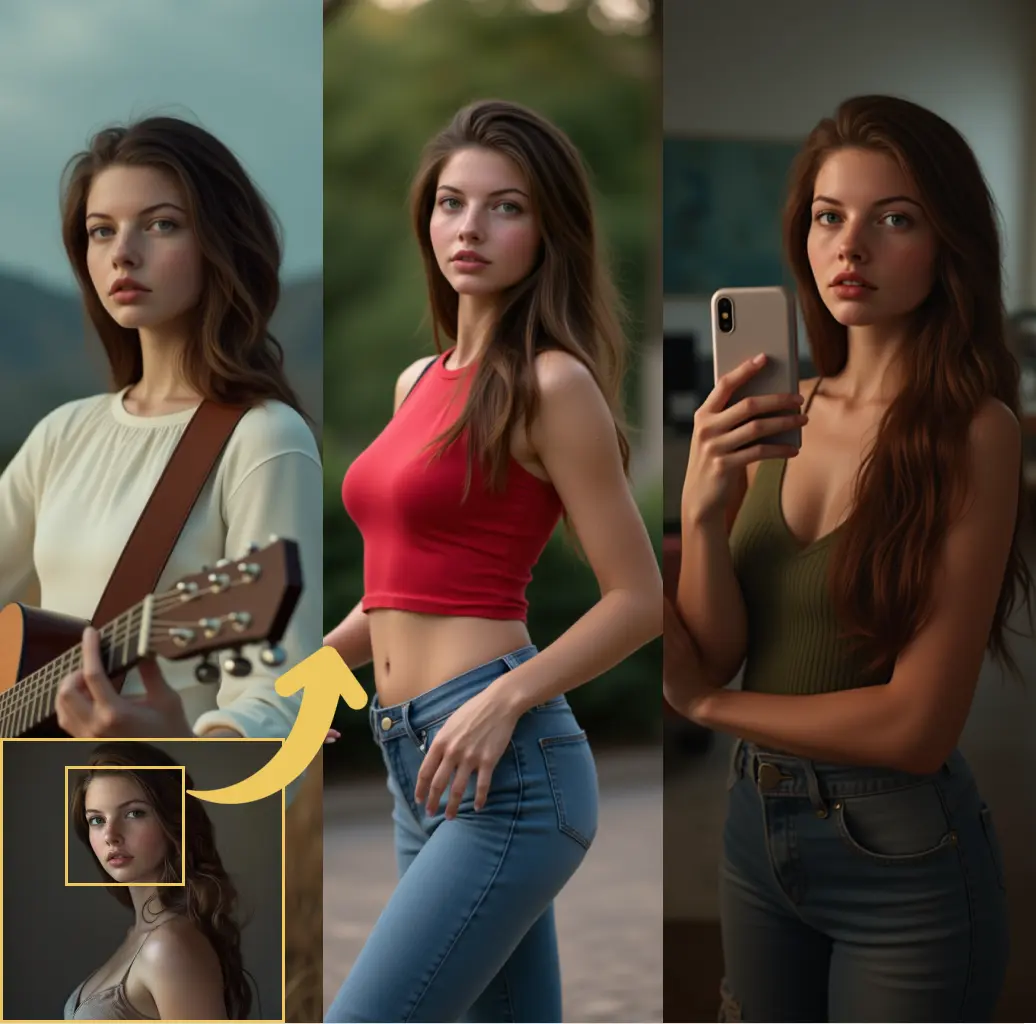
Google Veo 3 First-Last-Frame to Video:
The Veo3FirstLastFrameNode is designed to facilitate the creation of videos by leveraging the power of AI to generate content from a given first and last frame. This node is particularly useful for artists and creators who wish to transform static images into dynamic video sequences, providing a seamless transition between the start and end frames. By utilizing advanced video generation models, this node can produce high-quality videos that maintain the artistic intent of the initial frames. The node's ability to generate audio alongside the video further enhances the multimedia experience, making it a versatile tool for creative projects. Its integration into the ComfyUI framework ensures that users can easily incorporate video generation into their workflows, expanding the possibilities for digital art and storytelling.
Google Veo 3 First-Last-Frame to Video Input Parameters:
first_frame
The first_frame parameter is an image input that serves as the starting point of the video. It is crucial as it sets the initial visual context and style for the video generation process. There are no specific minimum or maximum values for this parameter, but the quality and resolution of the input image can significantly impact the final video output.
last_frame
The last_frame parameter is an image input that defines the ending point of the video. This frame is essential for determining the final visual state of the video, ensuring a coherent transition from the first frame. Similar to the first frame, the quality and resolution of this image will affect the overall video quality.
model
The model parameter allows you to select the video generation model to be used. Options include "veo-3.1-generate," "veo-3.1-fast-generate," and "veo-3.1-lite." Each model offers different performance characteristics, with some prioritizing speed and others focusing on quality. Choosing the right model depends on your specific needs, such as the desired balance between speed and video quality.
generate_audio
The generate_audio parameter is a boolean input that determines whether audio should be generated alongside the video. By default, this is set to True, enabling audio generation to enhance the multimedia experience. If audio is not required, you can set this parameter to False to focus solely on the visual aspects of the video.
Google Veo 3 First-Last-Frame to Video Output Parameters:
video_output
The video_output parameter provides the final video file generated by the node. This output includes the visual transition from the first to the last frame, potentially accompanied by audio if the generate_audio parameter was enabled. The video output is the culmination of the node's processing and serves as the primary deliverable for your creative projects.
Google Veo 3 First-Last-Frame to Video Usage Tips:
- To achieve the best video quality, ensure that both the first and last frames are of high resolution and visually coherent.
- Experiment with different models to find the optimal balance between video quality and generation speed that suits your project needs.
Google Veo 3 First-Last-Frame to Video Common Errors and Solutions:
"Invalid image format for first_frame or last_frame"
- Explanation: This error occurs when the input images are not in a supported format.
- Solution: Ensure that the images are in a standard format such as JPEG or PNG before inputting them into the node.
"Model selection not available"
- Explanation: This error indicates that the chosen model is not available or incorrectly specified.
- Solution: Verify that the model name is correctly entered and that it is one of the available options: "veo-3.1-generate," "veo-3.1-fast-generate," or "veo-3.1-lite."
"Audio generation failed"
- Explanation: This error may occur if there is an issue with the audio generation process.
- Solution: Check if the
generate_audioparameter is set toTrueand ensure that the system has the necessary resources and permissions to generate audio. If the problem persists, try disabling audio generation to focus on video output.