



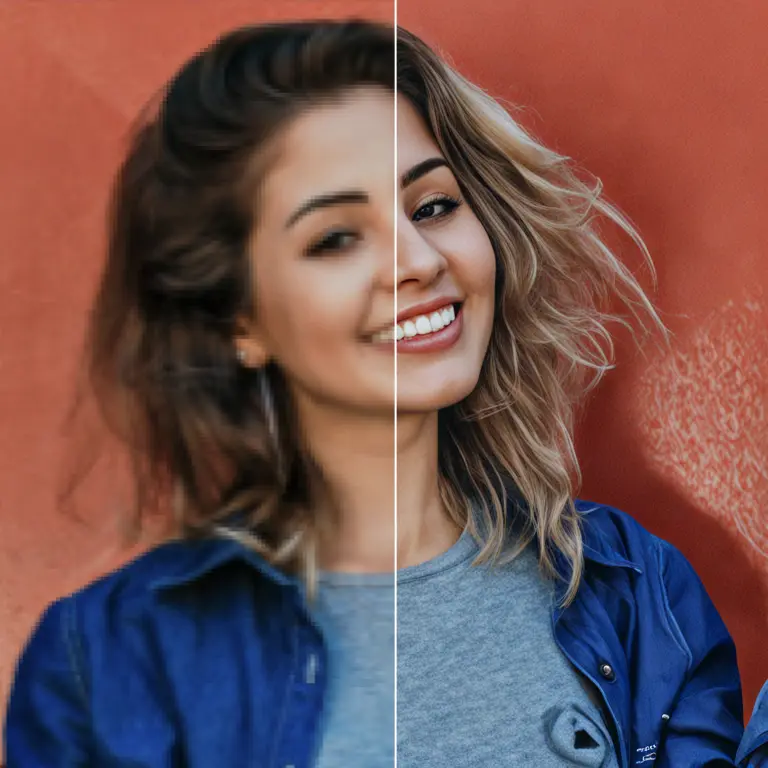
Resize Image/Mask:
The ResizeImageMaskNode is designed to adjust the size of images or masks using a variety of scaling methods. This node is particularly useful for artists and designers who need to modify the dimensions of their visual assets without compromising quality. By offering different scaling techniques, it ensures that the resized output maintains the desired aspect ratio and visual integrity. This node is essential for tasks that require images or masks to fit specific dimensions, whether for further processing, integration into larger compositions, or meeting specific project requirements. Its versatility in handling both images and masks makes it a valuable tool in any image processing workflow.
Resize Image/Mask Input Parameters:
image_or_mask
This parameter represents the image or mask that you wish to resize. It is the primary input for the node and determines the content that will be scaled. The quality and characteristics of the input will directly affect the output, so it is important to ensure that the input is of high quality and suitable for resizing.
scaling_method
This parameter allows you to choose the method used for resizing the image or mask. Different scaling methods can produce varying results in terms of quality and processing speed. Common methods include nearest-neighbor, bilinear, and bicubic interpolation, each offering a trade-off between speed and quality. Selecting the appropriate method depends on the specific requirements of your project and the nature of the input.
target_dimensions
This parameter specifies the desired dimensions for the output image or mask. It typically includes width and height values that define the size to which the input should be resized. The target dimensions must be chosen carefully to ensure that the resized output meets the intended use case, whether for display, further processing, or integration into other projects.
Resize Image/Mask Output Parameters:
resized_image_or_mask
This output parameter provides the resized version of the input image or mask. It reflects the changes made according to the specified scaling method and target dimensions. The resized output is crucial for ensuring that the visual asset fits the intended context, whether for display, further editing, or use in a larger composition. The quality and accuracy of this output depend on the chosen scaling method and the original input characteristics.
Resize Image/Mask Usage Tips:
- Experiment with different scaling methods to find the best balance between quality and processing speed for your specific project needs.
- Ensure that the target dimensions are appropriate for the intended use of the resized image or mask to avoid unnecessary resizing and potential quality loss.
Resize Image/Mask Common Errors and Solutions:
"Invalid input type"
- Explanation: This error occurs when the input provided is neither an image nor a mask, which are the expected types for this node.
- Solution: Verify that the input is correctly formatted as an image or mask before passing it to the node.
"Unsupported scaling method"
- Explanation: This error indicates that the chosen scaling method is not supported by the node.
- Solution: Check the available scaling methods and select one that is supported by the node for resizing operations.