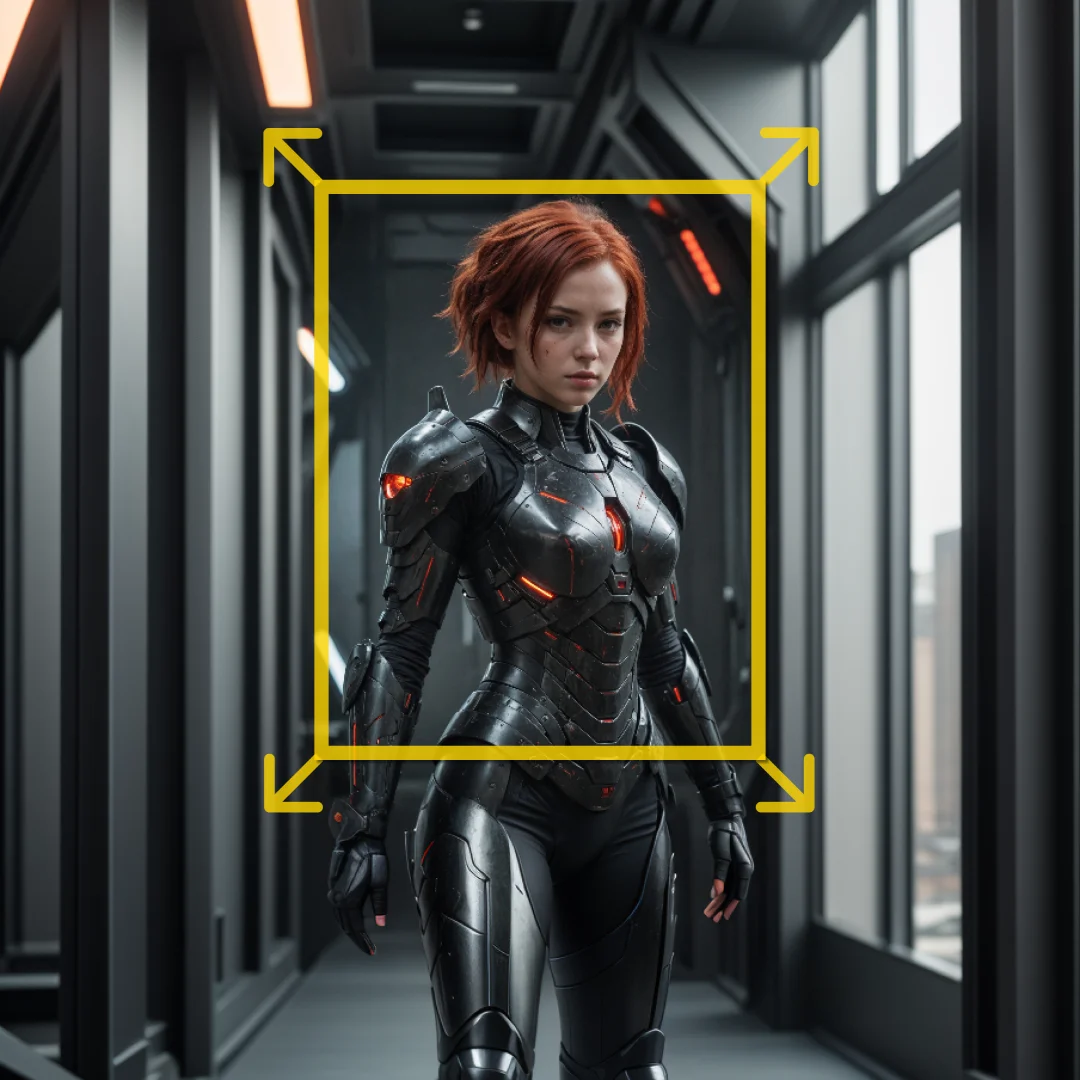
Kling Virtual Try On:
The Kling Virtual Try On Node is designed to facilitate a virtual fitting room experience by allowing you to digitally try on clothing items. This node takes a human image and a cloth image as inputs and overlays the clothing onto the human figure, providing a realistic preview of how the garment would look when worn. This functionality is particularly beneficial for fashion designers, retailers, and consumers who wish to visualize clothing on a model without the need for physical trials. The node supports merging multiple clothing items into a single image with a white background, enhancing the versatility of the virtual try-on process. By leveraging advanced image processing techniques, the Kling Virtual Try On Node offers a seamless and efficient way to explore fashion combinations and make informed decisions.
Kling Virtual Try On Input Parameters:
human_image
The human_image parameter is a crucial input that represents the image of the person on whom the clothing will be virtually tried on. This image should be clear and well-lit to ensure accurate overlay of the clothing. The quality and resolution of this image can significantly impact the realism and effectiveness of the virtual try-on process.
cloth_image
The cloth_image parameter is the image of the clothing item that you wish to try on the human figure. This image should ideally be isolated on a plain background to facilitate easy integration with the human image. The clarity and detail of the cloth image are important for achieving a realistic virtual try-on effect.
model_name
The model_name parameter allows you to select the specific virtual try-on model to be used for the process. Options include various pre-trained models, with the default being "kolors-virtual-try-on-v1". The choice of model can affect the style and accuracy of the virtual try-on, so selecting the appropriate model based on your needs is essential.
Kling Virtual Try On Output Parameters:
Image
The output of the Kling Virtual Try On Node is an Image that showcases the human figure wearing the selected clothing item. This image provides a visual representation of how the garment would appear on the person, allowing for easy assessment and decision-making. The output image is generated with a white background, ensuring that the focus remains on the clothing and the human figure.
Kling Virtual Try On Usage Tips:
- Ensure that both the human and cloth images are of high quality and have good lighting to achieve the best results.
- Experiment with different model names to find the one that best suits your specific virtual try-on needs and provides the most realistic results.
- Use images with plain backgrounds to facilitate easier and more accurate integration of the clothing onto the human figure.
Kling Virtual Try On Common Errors and Solutions:
"Invalid image format"
- Explanation: This error occurs when the input images are not in a supported format or are corrupted.
- Solution: Ensure that the images are in a standard format such as JPEG or PNG and are not corrupted before uploading.
"Model not found"
- Explanation: This error indicates that the specified model name does not exist or is not available.
- Solution: Verify the model name and ensure it is correctly spelled and available in the list of supported models.
"Image resolution too low"
- Explanation: This error arises when the input images have a resolution that is too low for effective processing.
- Solution: Use higher resolution images to ensure that the virtual try-on process can be executed with sufficient detail and accuracy.