



WanVideo RealisDance Latents:
The WanVideoRealisDanceLatents node is designed to facilitate the transformation of audio and visual inputs into a coherent video latent representation, which is particularly useful for generating dynamic video content. This node leverages advanced conditioning techniques to integrate audio features and visual cues, ensuring that the resulting video latents are synchronized with the input data. By processing both positive and negative conditioning inputs, it allows for nuanced control over the video generation process, making it a powerful tool for AI artists looking to create expressive and synchronized video outputs. The node's primary goal is to bridge the gap between static visual inputs and dynamic video outputs, providing a seamless workflow for video creation.
WanVideo RealisDance Latents Input Parameters:
positive
The positive parameter is used to input the positive conditioning data, which influences the video latent generation in a favorable direction. This data typically includes visual and audio features that the user wants to emphasize in the final video output. By adjusting the positive conditioning, you can steer the video generation towards desired characteristics, such as specific visual styles or audio-visual synchronization.
negative
The negative parameter serves as the counterpart to the positive conditioning, allowing users to specify elements they wish to minimize or avoid in the video output. This can include unwanted visual artifacts or audio features that should be suppressed. By fine-tuning the negative conditioning, users can achieve a more refined and targeted video generation process.
vae
The vae parameter refers to the Variational Autoencoder model used in the video latent generation process. It plays a crucial role in encoding and decoding the video data, ensuring that the generated latents are both high-quality and consistent with the input conditions. The VAE helps maintain the integrity of the video output by managing the latent space effectively.
length
The length parameter specifies the number of frames in the generated video, with a default value of 149. This parameter directly impacts the duration of the video output, allowing users to control how long the generated content will be. Adjusting the length can help tailor the video to specific project requirements or artistic intentions.
video_latent
The video_latent parameter contains the initial latent representation of the video, which serves as the foundation for further processing and refinement. This input is crucial for initializing the video generation process and ensuring that the subsequent transformations are applied to a coherent latent structure.
ref_image
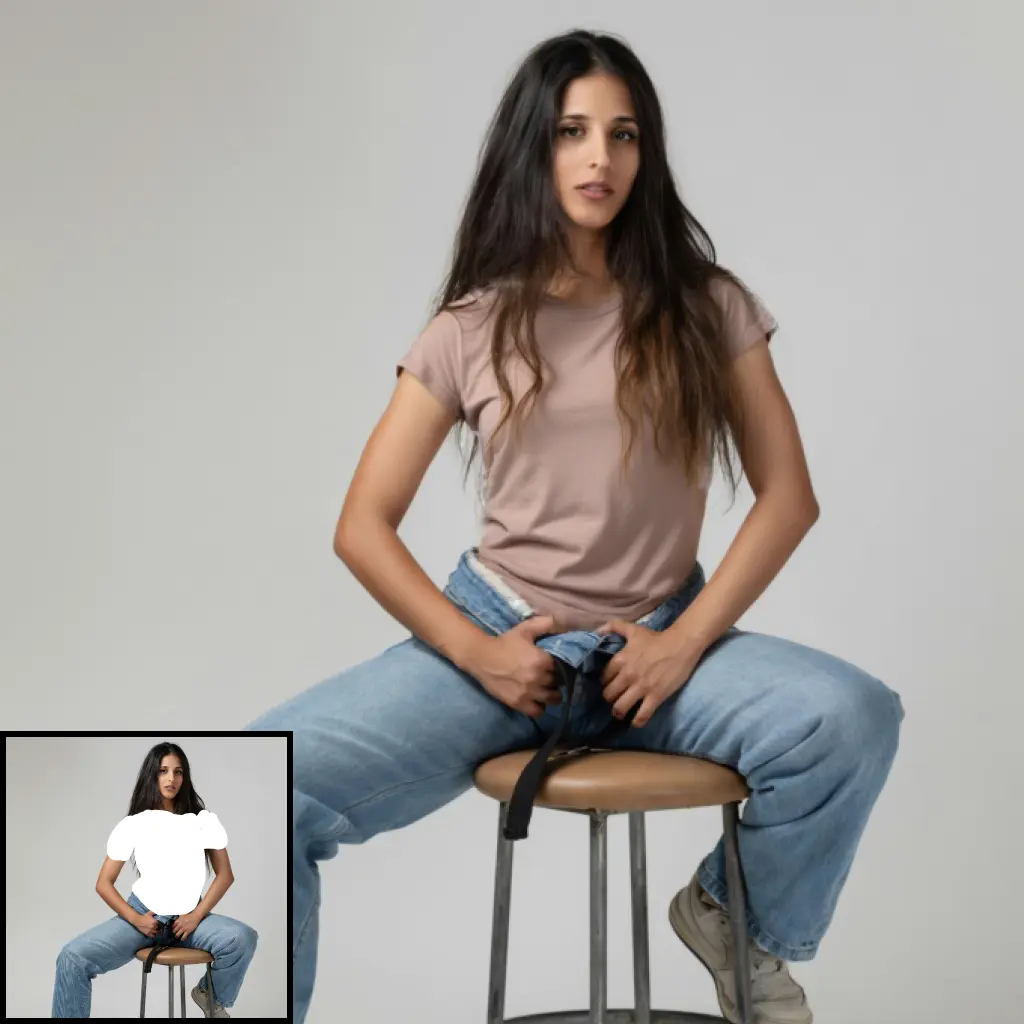
The ref_image parameter is an optional input that provides a reference image for the video generation process. This image can guide the visual style and content of the video, ensuring that the output aligns with specific artistic or thematic goals. By using a reference image, users can achieve greater consistency and coherence in the video output.
audio_encoder_output
The audio_encoder_output parameter is an optional input that includes audio features extracted from the input audio data. These features are used to synchronize the video output with the audio, ensuring that the visual content aligns with the audio cues. This parameter is essential for creating videos that are both visually and audibly coherent.
control_video
The control_video parameter is an optional input that allows users to provide a control video, which can influence the motion and dynamics of the generated video output. By using a control video, users can achieve more complex and dynamic video outputs that are synchronized with specific motion patterns or visual effects.
WanVideo RealisDance Latents Output Parameters:
positive
The positive output parameter represents the processed positive conditioning data, which has been refined and adjusted during the video latent generation process. This output can be used to further influence subsequent video generation steps or to analyze the impact of the positive conditioning on the final video output.
negative
The negative output parameter contains the processed negative conditioning data, which has been adjusted to minimize unwanted elements in the video output. This output is useful for understanding how the negative conditioning has influenced the video generation process and for making further refinements if necessary.
out_latent
The out_latent output parameter is the final video latent representation, which encapsulates the combined effects of the input conditions and transformations. This latent serves as the basis for generating the final video output, ensuring that it aligns with the user's artistic and technical goals.
WanVideo RealisDance Latents Usage Tips:
- To achieve the best results, carefully balance the positive and negative conditioning inputs to emphasize desired features while minimizing unwanted elements.
- Utilize the
ref_imageandcontrol_videoinputs to guide the visual style and motion dynamics of the video output, ensuring that it aligns with your artistic vision. - Experiment with different
lengthvalues to tailor the duration of the video output to your specific project requirements.
WanVideo RealisDance Latents Common Errors and Solutions:
"Invalid input dimensions"
- Explanation: This error occurs when the input dimensions for the video_latent or other parameters do not match the expected format.
- Solution: Ensure that all input parameters are correctly formatted and match the expected dimensions as specified in the node documentation.
"Audio synchronization failed"
- Explanation: This error indicates that the audio features could not be properly synchronized with the video output.
- Solution: Verify that the
audio_encoder_outputparameter is correctly configured and contains valid audio features for synchronization.
"Reference image not found"
- Explanation: This error occurs when the specified reference image cannot be located or loaded.
- Solution: Check the file path and format of the
ref_imageinput to ensure it is accessible and correctly specified.