openclaw: Image to Prompt:
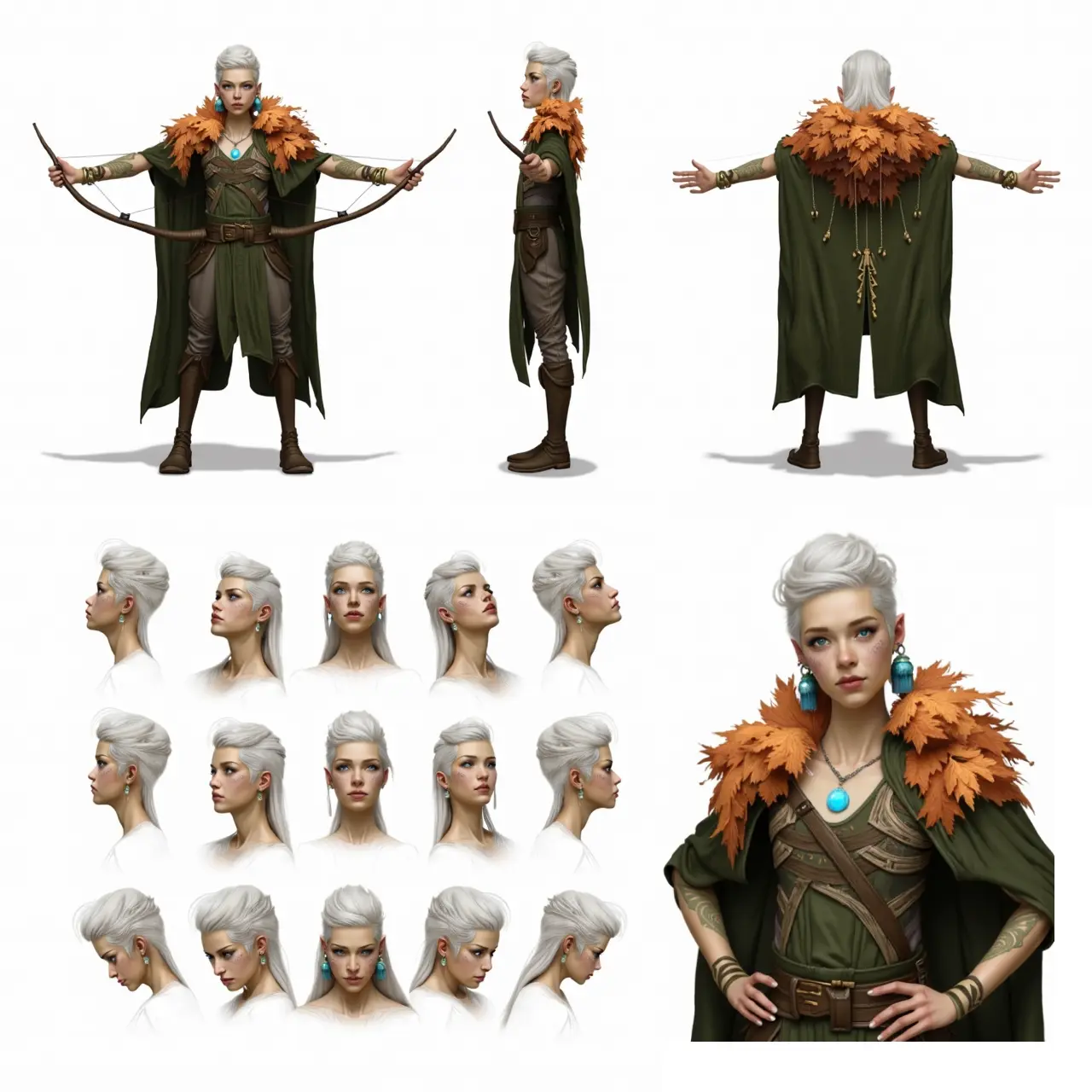
MoltbotImageToPrompt is an innovative node designed to transform images into creative prompt starters using advanced Vision Language Models (LLMs). This node is particularly beneficial for AI artists who wish to regenerate or enhance images by generating descriptive prompts that capture the essence of the visual content. By analyzing an image, MoltbotImageToPrompt provides a concise visual description, relevant tags, and a suggested prompt that can be used to recreate or inspire new artwork. This process involves preprocessing the image, constructing a system prompt, and utilizing a Vision LLM to generate outputs in a structured JSON format. The node is designed to be user-friendly, allowing artists to focus on their creative goals while leveraging AI to enhance their artistic process.
openclaw: Image to Prompt Input Parameters:
image
The image parameter is the primary input for the node, representing the visual content that you want to analyze and generate prompts for. This parameter accepts an image file, which is then processed to extract meaningful information. The quality and content of the image directly impact the accuracy and relevance of the generated prompts.
goal
The goal parameter is a string input that allows you to specify the objective or purpose of the image analysis. This could be a simple description like "Describe this image for regeneration" or a more specific artistic goal. The goal helps guide the Vision LLM in tailoring the prompt suggestions to align with your creative intentions. This parameter supports multiline input and defaults to a general description goal.
detail_level
The detail_level parameter determines the granularity of the analysis performed by the Vision LLM. It offers three options: "low," "medium," and "high," with "medium" as the default setting. A higher detail level results in more comprehensive and nuanced prompt suggestions, while a lower level provides a broader overview. Selecting the appropriate detail level can enhance the relevance of the generated prompts based on your specific needs.
max_image_side
The max_image_side parameter specifies the maximum dimension (in pixels) for the image's longest side during preprocessing. This integer value ensures that the image is resized appropriately for efficient processing by the Vision LLM. The parameter accepts values ranging from 256 to 1536, with a default of 1024. Adjusting this parameter can help balance processing speed and detail retention in the generated prompts.
openclaw: Image to Prompt Output Parameters:
caption
The caption output provides a concise visual description of the analyzed image. This description captures the essential elements and themes present in the image, serving as a foundational element for generating creative prompts or understanding the image's content.
tags
The tags output consists of a list of relevant keywords or phrases that describe the image's content. These tags are extracted based on the image analysis and can be used to categorize or search for similar images. They also provide additional context for the generated prompt suggestions.
prompt_suggestion
The prompt_suggestion output is a crafted prompt that can be used to regenerate the image or inspire new artistic creations. This prompt is tailored to align with the specified goal and detail level, offering a starting point for further creative exploration.
openclaw: Image to Prompt Usage Tips:
- Ensure that the image input is clear and well-composed to improve the accuracy of the generated prompts.
- Experiment with different
detail_levelsettings to find the right balance between prompt detail and processing time for your specific project. - Use the
goalparameter to guide the Vision LLM in generating prompts that align closely with your artistic objectives.
openclaw: Image to Prompt Common Errors and Solutions:
Image preprocessing failed: <error_message>
- Explanation: This error occurs when the image cannot be converted to a base64 PNG format, possibly due to an unsupported file type or corrupted image data.
- Solution: Verify that the image is in a supported format and is not corrupted. Try using a different image or converting the image to a standard format like JPEG or PNG before inputting it into the node.
Failed to extract JSON from LLM response
- Explanation: This error indicates that the Vision LLM's response could not be parsed into a valid JSON format, possibly due to unexpected output or communication issues.
- Solution: Ensure that the input parameters are correctly set and that the image is suitable for analysis. If the issue persists, consider adjusting the
detail_levelorgoalparameters to refine the LLM's output.