LoRA Block Weight Batch (SD3.5 Large):
The LoraBlockWeightSD35Batch node is designed to facilitate batch processing of LoRA (Low-Rank Adaptation) weights specifically for the Stable Diffusion 3.5 Large model. This node allows you to apply LoRA weights across multiple blocks of the model in a single operation, making it highly efficient for large-scale image generation tasks. By leveraging the unique architecture of the SD3.5 Large model, which consists of 38 joint blocks, this node enables you to fine-tune the model's performance by adjusting the weights of these blocks collectively. This batch processing capability is particularly beneficial for users who need to experiment with different weight configurations to achieve optimal results in their AI art projects. The node simplifies the process of applying LoRA weights, ensuring that you can focus on creative aspects rather than technical complexities.
LoRA Block Weight Batch (SD3.5 Large) Input Parameters:
model
The model parameter specifies the Stable Diffusion 3.5 Large model to which the LoRA weights will be applied. This parameter is crucial as it determines the base model architecture and the specific joint blocks that will be affected by the LoRA weights. There are no specific minimum or maximum values for this parameter, but it must be a compatible model with the SD3.5 Large architecture.
vae
The vae parameter refers to the Variational Autoencoder component used in conjunction with the model. It plays a role in the image generation process by encoding and decoding image data. This parameter should be set to a VAE that is compatible with the chosen model to ensure seamless integration and optimal performance.
lora_name
The lora_name parameter identifies the specific LoRA file containing the weights to be applied. This file must be pre-processed and compatible with the SD3.5 Large model. The correct specification of this parameter is essential for the successful application of LoRA weights.
positive
The positive parameter is used to specify positive prompts or conditions that guide the image generation process. It influences the model's output by emphasizing certain features or styles in the generated images. This parameter does not have fixed values but should be crafted to align with your creative goals.
negative
The negative parameter serves as a counterbalance to the positive parameter by specifying negative prompts or conditions. It helps in suppressing unwanted features or styles in the generated images, allowing for more refined control over the output. Like the positive parameter, it should be tailored to your specific needs.
latent_image
The latent_image parameter represents the initial latent space representation of the image to be generated. It acts as the starting point for the diffusion process, and its configuration can significantly impact the final output. This parameter should be set based on the desired characteristics of the generated image.
seed
The seed parameter is a numerical value used to initialize the random number generator, ensuring reproducibility of results. By setting a specific seed, you can generate the same image output across different runs, which is useful for experimentation and comparison.
steps
The steps parameter defines the number of diffusion steps to be performed during the image generation process. A higher number of steps generally results in more detailed and refined images, but it also increases computation time. The optimal value depends on the desired balance between quality and efficiency.
cfg
The cfg parameter, or classifier-free guidance scale, controls the strength of the guidance applied during image generation. It influences how closely the model adheres to the specified prompts, with higher values leading to more pronounced effects. The choice of this parameter should reflect the level of control you wish to exert over the output.
sampler_name
The sampler_name parameter specifies the sampling algorithm to be used during the diffusion process. Different samplers can produce varying results, and selecting the appropriate one can enhance the quality and style of the generated images. This parameter should be chosen based on your artistic preferences and the characteristics of the model.
scheduler
The scheduler parameter determines the scheduling strategy for the diffusion steps. It affects the timing and progression of the diffusion process, potentially impacting the final image quality. Selecting an appropriate scheduler can optimize the balance between speed and output fidelity.
denoise
The denoise parameter controls the level of noise reduction applied during the image generation process. Effective denoising can enhance image clarity and detail, but excessive denoising may lead to loss of important features. This parameter should be adjusted based on the desired level of image refinement.
block_list
The block_list parameter specifies the list of joint blocks within the model to which the LoRA weights will be applied. It allows for targeted weight adjustments, enabling fine-grained control over specific parts of the model. The blocks should be listed in a comma-separated format, and their selection should align with your creative objectives.
value_list
The value_list parameter defines the values of the LoRA weights to be applied to the specified blocks. These values determine the extent of the weight adjustments and can significantly influence the model's behavior. The values should be provided in a comma-separated format and carefully chosen to achieve the desired artistic effects.
baseline_weight
The baseline_weight parameter sets a reference weight value against which the LoRA adjustments are measured. It serves as a baseline for evaluating the impact of the applied weights and can help in fine-tuning the model's performance. This parameter should be set based on your understanding of the model's baseline behavior.
LoRA Block Weight Batch (SD3.5 Large) Output Parameters:
all_images
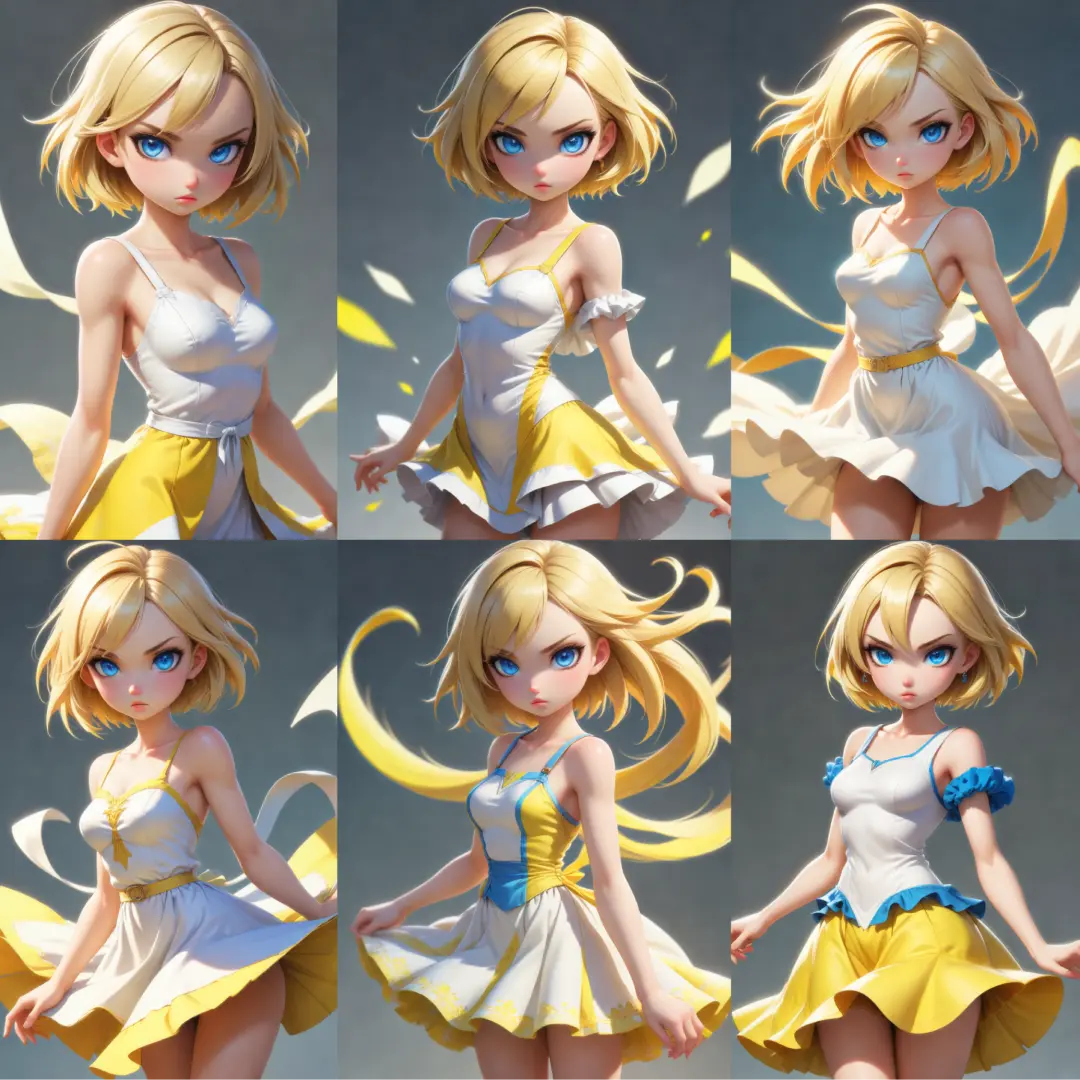
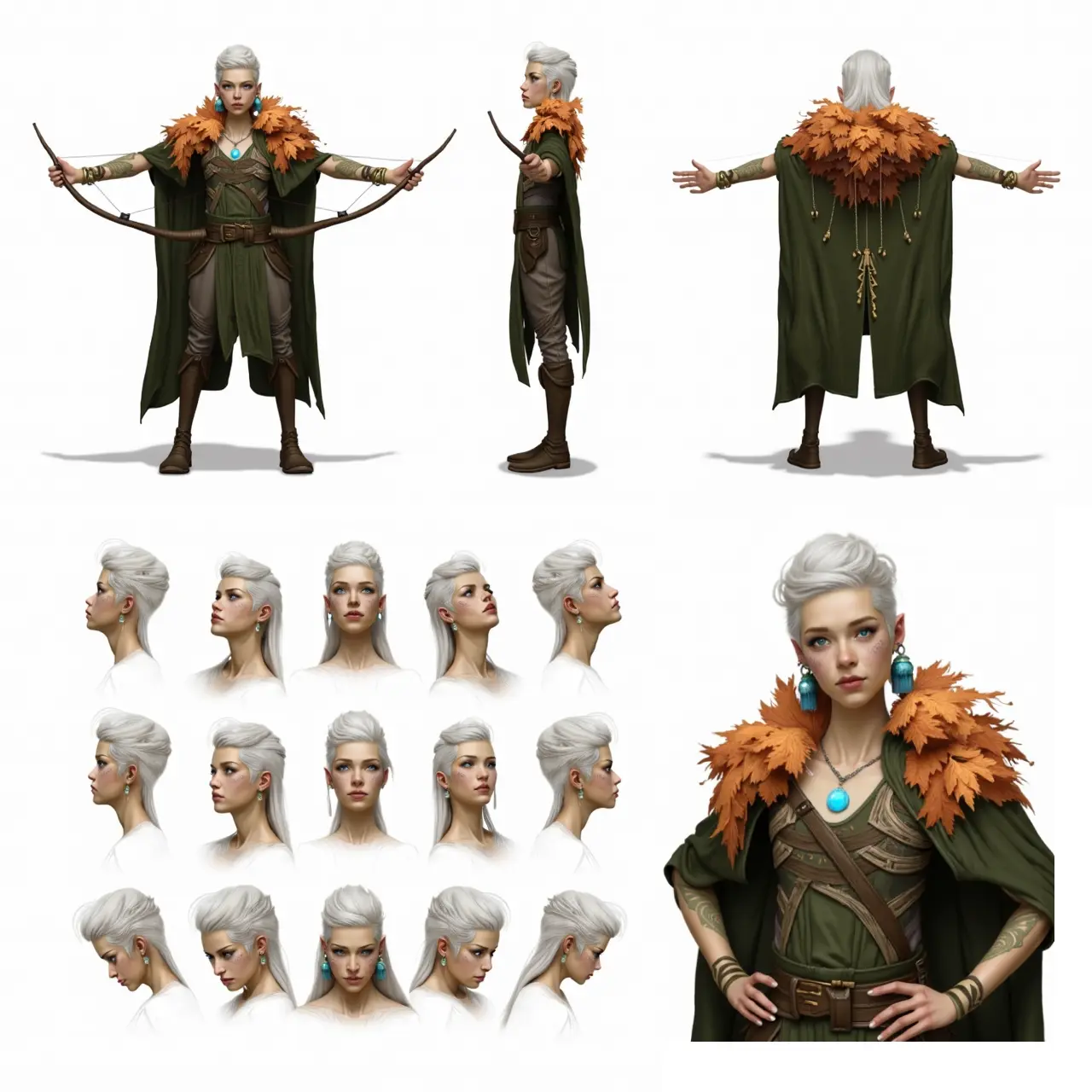
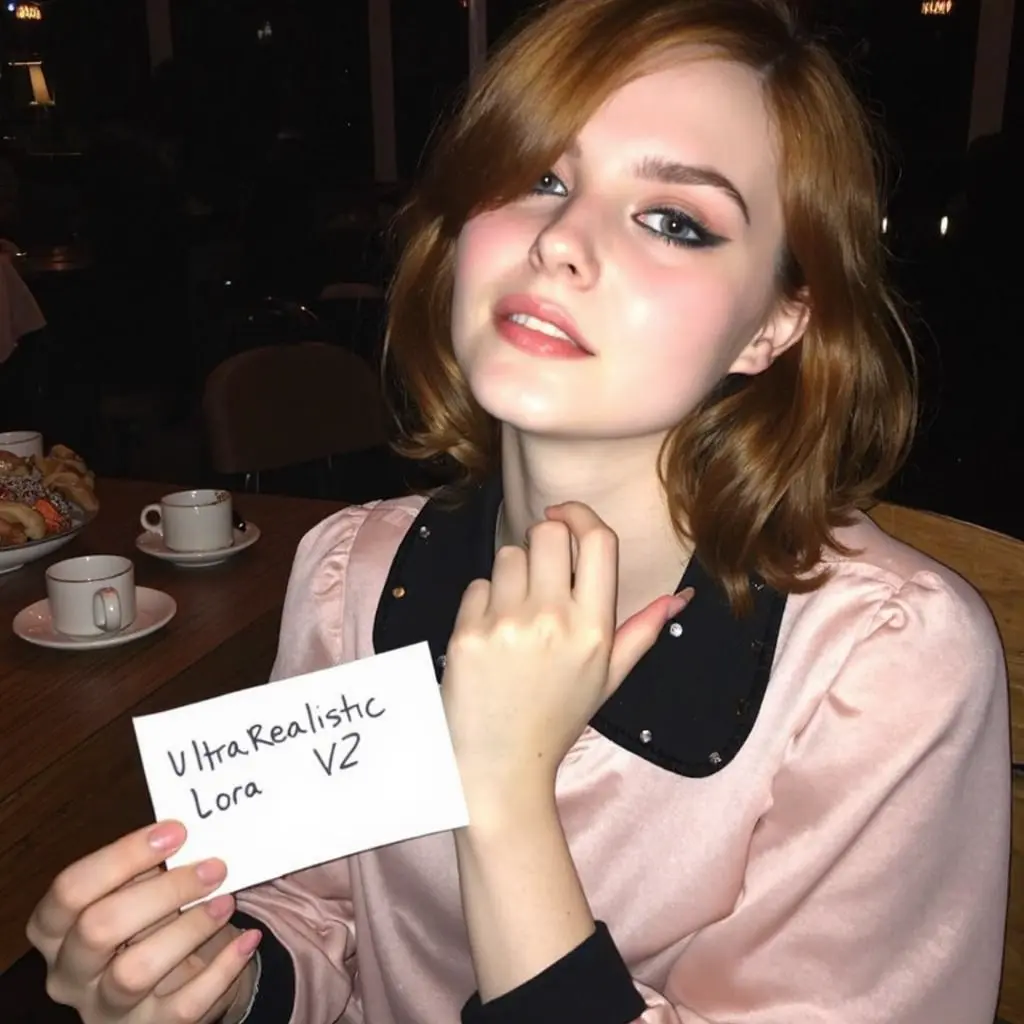
The all_images output parameter provides a collection of images generated during the batch processing of LoRA weights. Each image reflects the application of different weight configurations, allowing you to compare and evaluate the effects of various settings. This output is essential for visualizing the impact of the LoRA adjustments and selecting the most suitable configuration for your artistic goals.
log
The log output parameter contains detailed information about the batch processing operation, including the applied weight configurations and any relevant metrics. This log serves as a valuable resource for understanding the process and outcomes, enabling you to make informed decisions about future adjustments and experiments.
LoRA Block Weight Batch (SD3.5 Large) Usage Tips:
- Experiment with different
block_listandvalue_listcombinations to discover unique artistic styles and effects. - Use the
seedparameter to ensure reproducibility of results, allowing you to refine and compare different configurations systematically. - Adjust the
stepsandcfgparameters to balance image quality and computational efficiency, especially when working with large batches.
LoRA Block Weight Batch (SD3.5 Large) Common Errors and Solutions:
ValueError: value_list must be comma-separated numbers
- Explanation: This error occurs when the
value_listparameter contains non-numeric values or is not properly formatted as a comma-separated list. - Solution: Ensure that all entries in the
value_listare valid numbers and that they are separated by commas without any extraneous characters.
ValueError: block_list is empty
- Explanation: This error indicates that the
block_listparameter has not been specified or is incorrectly formatted, resulting in an empty list. - Solution: Verify that the
block_listcontains valid block identifiers and is formatted as a comma-separated list.
ValueError: Unknown block tags
- Explanation: This error arises when the
block_listcontains block identifiers that are not recognized by the model's specification. - Solution: Check the block identifiers against the valid range specified in the model's documentation and correct any discrepancies.