KIE Kling 2.6 Motion-Control (I2V):
KIE_Kling26Motion_I2V is a sophisticated node designed to transform static images into dynamic videos by leveraging motion control techniques. This node is part of the Kling 2.6 series, which focuses on converting image inputs into video outputs with motion elements, providing a seamless and automated way to animate still images. The primary goal of this node is to enable AI artists to create engaging and visually appealing video content from static images, enhancing the storytelling and visual impact of their projects. By utilizing advanced algorithms and motion control, KIE_Kling26Motion_I2V offers a unique capability to breathe life into images, making it an invaluable tool for artists looking to expand their creative horizons.
KIE Kling 2.6 Motion-Control (I2V) Input Parameters:
prompt
The prompt parameter is a textual input that guides the animation process. It allows you to specify the theme or concept you want the resulting video to convey. The prompt should be concise and relevant to the image content, with a maximum length of 2500 characters. This parameter influences the narrative or mood of the video, making it a crucial element in achieving the desired artistic effect.
images
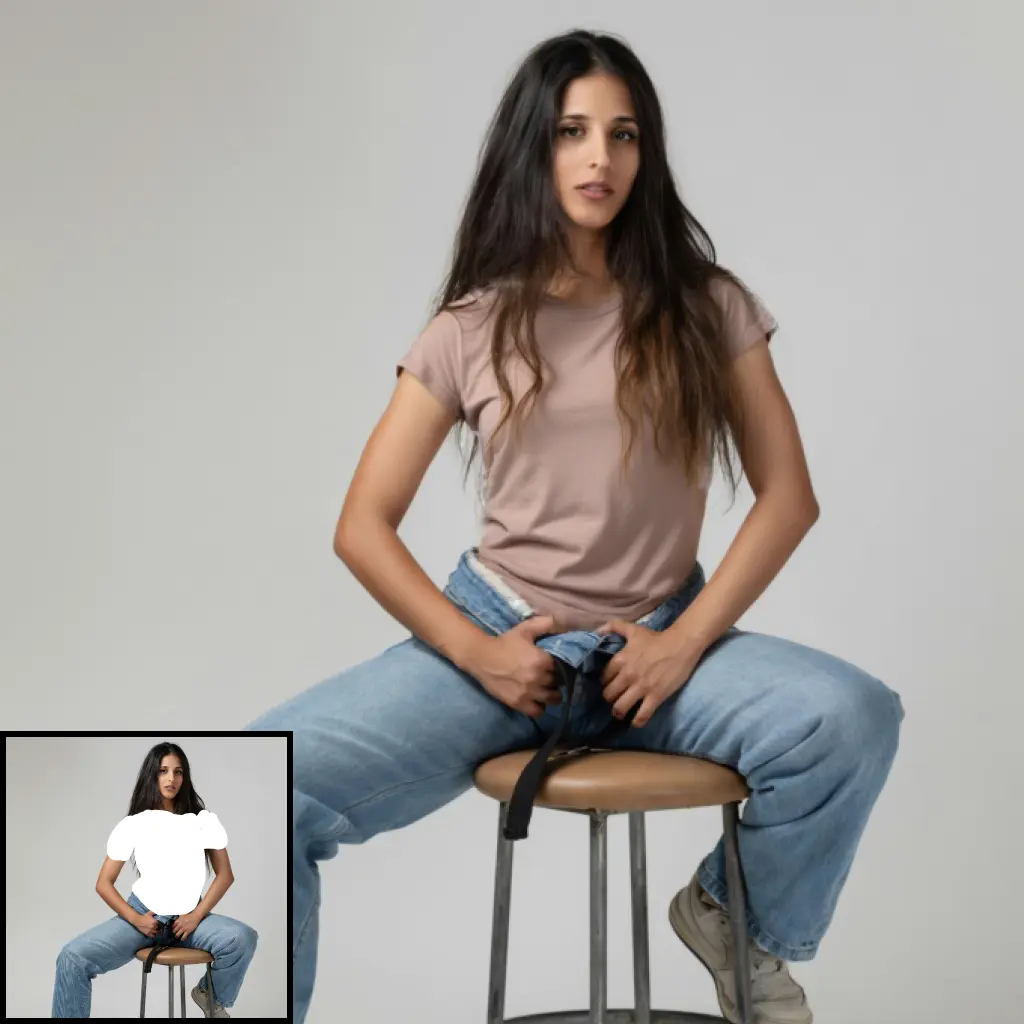
The images parameter accepts a batch of image tensors, but only the first image in the batch will be used for processing. This parameter is essential as it provides the static visual content that will be transformed into a video. The quality and resolution of the input image can significantly impact the final video output, so high-quality images are recommended.
video
The video parameter is a required input that serves as a reference for motion. It should be a video file that provides the motion dynamics to be applied to the static image. This parameter is crucial for defining how the image will be animated, and it must be in a compatible format, such as MP4, to ensure successful processing.
character_orientation
The character_orientation parameter determines the orientation of characters or elements within the video. It can be set to either "image" or "video," affecting how the motion is applied relative to the original image or the reference video. This parameter helps in aligning the motion with the intended visual perspective.
mode
The mode parameter specifies the resolution of the output video, with options including "720p" and "1080p." This parameter allows you to choose the desired quality of the video output, balancing between resolution and processing time. Higher resolutions provide better visual clarity but may require more computational resources.
poll_interval_s
The poll_interval_s parameter defines the interval, in seconds, at which the node checks for the completion of the video processing task. A default value of 10.0 seconds is used, but this can be adjusted based on the expected processing time and desired responsiveness.
timeout_s
The timeout_s parameter sets the maximum time, in seconds, that the node will wait for the video processing task to complete. The default is 2000 seconds, ensuring that the task has ample time to finish, especially for high-resolution outputs or complex animations.
log
The log parameter is a boolean that determines whether detailed logging information is recorded during the processing. Enabling logging can be helpful for troubleshooting and understanding the processing steps, but it can be disabled for a cleaner output.
KIE Kling 2.6 Motion-Control (I2V) Output Parameters:
video_output
The video_output parameter is the final result of the node's processing, providing a VIDEO-compatible object that contains the animated video. This output is the culmination of the image-to-video transformation, incorporating the specified motion dynamics and resolution settings. The video output can be used directly in creative projects, offering a dynamic and engaging visual experience.
KIE Kling 2.6 Motion-Control (I2V) Usage Tips:
- Ensure that the input image is of high quality to achieve the best video output, as the resolution and clarity of the image directly affect the final result.
- Choose the
modeparameter based on your project's needs; use "720p" for faster processing and "1080p" for higher quality outputs. - Use a relevant and concise
promptto guide the animation process effectively, ensuring that the resulting video aligns with your creative vision.
KIE Kling 2.6 Motion-Control (I2V) Common Errors and Solutions:
Invalid character_orientation. Use the pinned enum options.
- Explanation: This error occurs when the
character_orientationparameter is set to a value other than "image" or "video." - Solution: Ensure that the
character_orientationparameter is set to either "image" or "video" to match the allowed options.
video input is required.
- Explanation: This error indicates that the
videoparameter is missing or not provided. - Solution: Provide a valid video file as input to the
videoparameter to ensure successful processing.
More than 1 image provided; only the first will be used.
- Explanation: This message appears when multiple images are provided, but only the first one is used for processing.
- Solution: If you intend to use a specific image, ensure it is the first in the batch or provide only the desired image.