



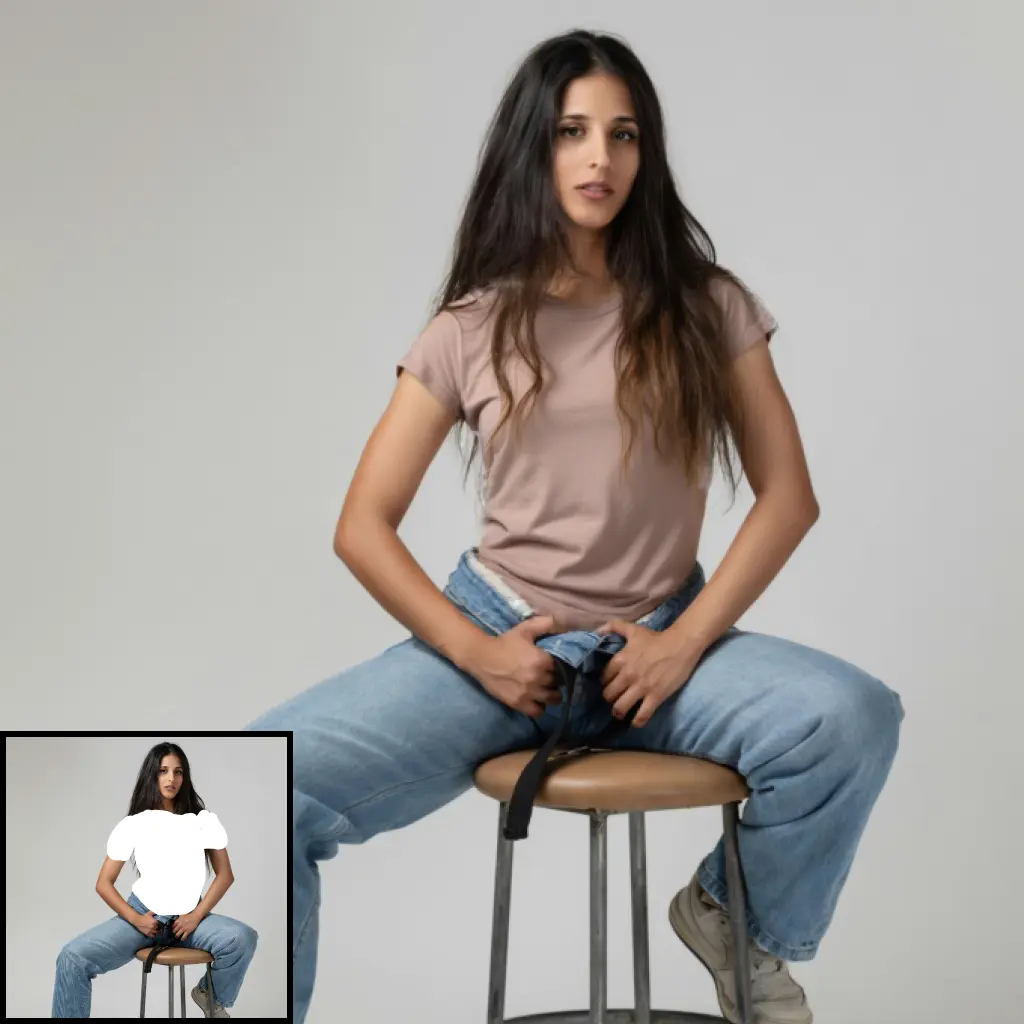
KIE Kling 2.6 (I2V):
The KIE_Kling26_I2V node is designed to transform a series of images into a video format, leveraging the power of AI to create visually compelling and coherent video outputs from static images. This node is particularly beneficial for AI artists looking to animate their artwork or create dynamic presentations from still images. By utilizing advanced algorithms, it ensures smooth transitions and maintains the artistic integrity of the original images. The node's primary goal is to provide a seamless and efficient way to convert images into video, making it an essential tool for artists who want to explore the dynamic potential of their static creations.
KIE Kling 2.6 (I2V) Input Parameters:
prompt
The prompt parameter is a string input that guides the video generation process. It serves as a thematic or stylistic directive, influencing how the images are interpreted and animated into a video. This parameter allows you to infuse creativity and direction into the video output, ensuring that the final product aligns with your artistic vision.
images
The images parameter accepts a tensor of images, which are the core elements to be transformed into a video. This input is crucial as it provides the visual content that will be animated. The quality and coherence of the images directly impact the video output, so it's important to use high-quality images that align with the desired video theme.
duration
The duration parameter specifies the length of the resulting video in seconds, with a default value of "5". This parameter allows you to control how long the video will play, providing flexibility in creating short clips or longer presentations. Adjusting the duration can affect the pacing and transition smoothness between images.
sound
The sound parameter is a boolean that determines whether sound should be included in the video. By default, it is set to False. Enabling sound can enhance the video experience by adding an auditory dimension, making it more engaging and immersive.
poll_interval_s
The poll_interval_s parameter, with a default value of 10.0 seconds, defines the frequency at which the node checks for updates or progress during the video generation process. This parameter is useful for monitoring and managing the execution flow, especially for longer video projects.
timeout_s
The timeout_s parameter sets the maximum time, in seconds, that the node will attempt to generate the video before timing out, with a default of 2000 seconds. This ensures that the process does not run indefinitely and provides a safeguard against excessive computation times.
log
The log parameter is a boolean that controls whether logging is enabled during the video generation process, with a default value of True. Logging provides valuable insights into the process, helping you troubleshoot issues and understand the node's behavior.
KIE Kling 2.6 (I2V) Output Parameters:
video
The video parameter is the primary output of the node, representing the final video file generated from the input images. This output is crucial as it encapsulates the entire transformation process, providing a dynamic and animated representation of the original static images. The video can be used for various artistic and presentation purposes, showcasing the potential of AI-driven animation.
KIE Kling 2.6 (I2V) Usage Tips:
- Experiment with different
promptvalues to see how they influence the style and mood of the video, allowing for creative exploration and unique outputs. - Adjust the
durationparameter to match the intended use of the video, whether for quick social media clips or longer artistic presentations. - Consider enabling the
soundparameter to add an auditory layer to your video, enhancing the overall experience and engagement.
KIE Kling 2.6 (I2V) Common Errors and Solutions:
"Timeout exceeded"
- Explanation: This error occurs when the video generation process takes longer than the specified
timeout_svalue. - Solution: Increase the
timeout_sparameter to allow more time for the process to complete, especially for complex or high-resolution image sets.
"Invalid image tensor"
- Explanation: This error indicates that the input
imagestensor is not in the expected format or contains invalid data. - Solution: Ensure that the images are correctly formatted and compatible with the node's requirements, possibly converting or preprocessing them as needed.
"Prompt not recognized"
- Explanation: This error suggests that the provided
promptis not valid or cannot be interpreted by the node. - Solution: Review the
promptfor any errors or unsupported characters, and consider simplifying or rephrasing it to align with the node's capabilities.