



📏 Qwen Image Scale:
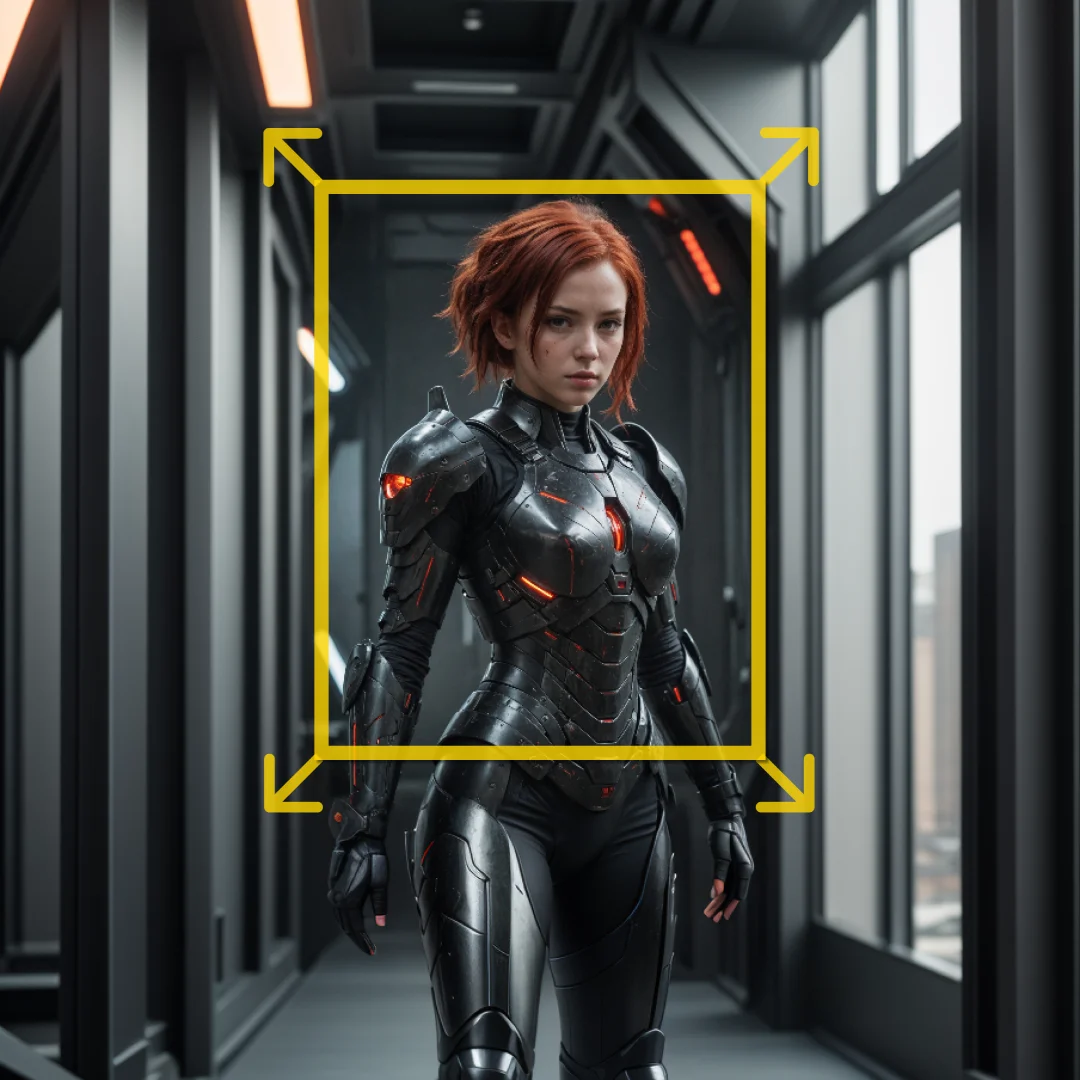
The ArchAi3D_Qwen_Image_Scale node is designed to facilitate the scaling of images within the ArchAi3D Qwen framework. This node is particularly useful for AI artists who need to adjust the size of images while maintaining their quality and integrity. The primary goal of this node is to provide a seamless and efficient method for image scaling, which is crucial in various artistic and design applications. By leveraging advanced algorithms, the node ensures that images are resized without losing important details, making it an essential tool for artists who require precision and high-quality outputs in their work. The node's capabilities are tailored to meet the needs of users who may not have a deep technical background, offering an intuitive interface and reliable performance.
📏 Qwen Image Scale Input Parameters:
image
The image parameter is the primary input for the ArchAi3D_Qwen_Image_Scale node. It accepts an image in the form of a torch.Tensor, which is a data structure commonly used in machine learning frameworks for handling multi-dimensional data. This parameter is crucial as it determines the image that will be processed and scaled by the node. The quality and characteristics of the input image can significantly impact the results, so it is important to provide a high-resolution image to achieve the best scaling outcomes. There are no specific minimum, maximum, or default values for this parameter, as it depends on the user's requirements and the image being processed.
📏 Qwen Image Scale Output Parameters:
scaled_image
The scaled_image parameter is the primary output of the ArchAi3D_Qwen_Image_Scale node. It provides the scaled version of the input image, also in the form of a torch.Tensor. This output is essential for users who need to obtain a resized image that maintains the original's quality and detail. The scaled image can be used in various applications, such as digital art, design projects, or any scenario where image size adjustments are necessary. The interpretation of this output is straightforward: it is the resized version of the input image, ready for further use or integration into other projects.
📏 Qwen Image Scale Usage Tips:
- Ensure that the input image is of high quality to achieve the best scaling results. Low-resolution images may result in less satisfactory outputs.
- Experiment with different image sizes to find the optimal scale that meets your project's requirements without compromising on quality.
📏 Qwen Image Scale Common Errors and Solutions:
Image format not supported
- Explanation: This error occurs when the input image is not in a format that the node can process, such as an unsupported file type or data structure.
- Solution: Convert the image to a
torch.Tensorformat before inputting it into the node. Ensure that the image is compatible with the node's requirements.
Insufficient memory for image processing
- Explanation: This error arises when the system does not have enough memory to handle the image scaling process, especially with very large images.
- Solution: Reduce the size of the input image or increase the system's available memory. Alternatively, try processing the image in smaller sections if possible.